Protecting Wildlife Worldwide: CITES Conference in Panama
The CITES Conference in Panama aims to better protect wildlife worldwide. Over 180 countries are negotiating the conservation status of endangered species.

Habitat destruction, overexploitation, recreational hunting and climate change: the pressure on wildlife and plants is increasing.
184 states are now meeting in Panama to discuss measures to protect them from excessive trade.
Greater involvement of local communities
At the opening, calls were made to involve local communities, young people and women more strongly in conservation efforts. The burden of financing should not be left solely to the countries where the wildlife species live, said CITES Secretary-General Ivonne Higuero. Debates on the protection of marine animals are set to begin on Tuesday.
"The benefits of species conservation are global, but the costs are borne locally," said Higuero. It is necessary to act innovatively and open up new sources of financing, including private ones. Much is at stake at the conference – and not only for future generations, but already in the coming months and years. Overexploitation and illegal trade are harming ecosystems and biodiversity, according to Higuero.
Securing sustainable trade
More than 2’500 delegates, experts and representatives of non-governmental organizations are participating in the meeting until 25 November. CITES is a convention signed in Washington in 1973, designed to ensure the sustainable trade in wild animals and plants. The signatory states meet every three years. In Panama, 52 proposals for the improved protection of 600 wild species are to be discussed.
«The Cites conference is starting in the midst of what has so far been the peak of the species crisis. Since 1970, the observed populations of mammals, birds, fish, amphibians and reptiles have declined by an average of 69 percent», said Rebecca Gerigk, press spokesperson for WWF Germany, in Panama. «At the conference, we therefore urgently need decisions for better protection of species from overexploitation.» The implementation of trade regulations also needs to be improved.
Progress expected
Daniela Freyer, who is attending the Cites conference on behalf of the animal welfare organisation Pro Wildlife, is confident that good results can be achieved in Panama: «I think there will definitely be progress, because the majority of the issues being discussed concern better protection of species.»
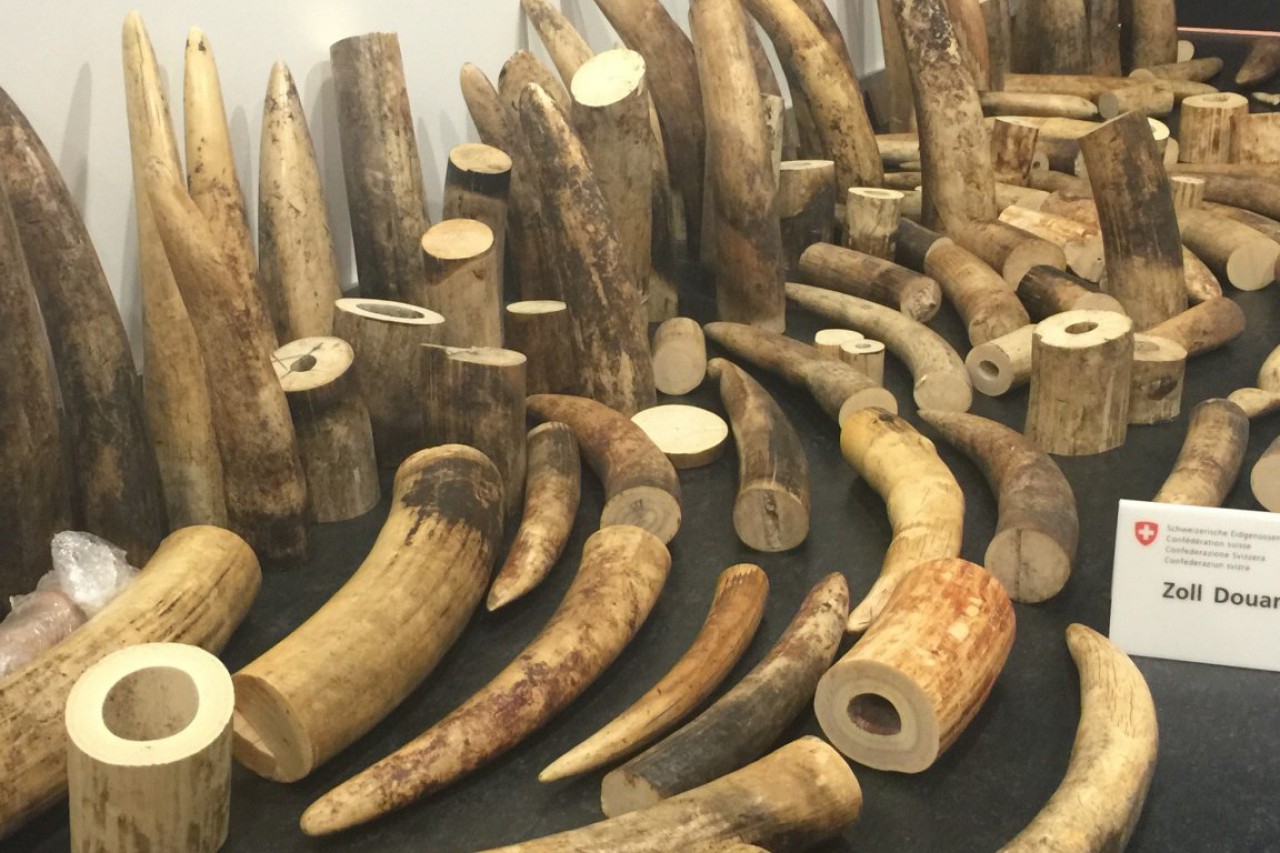
Trade in 38’000 species, including their products, is already prohibited or strictly regulated under Cites. However, many wild species continue to be traded illegally, including for the production of ivory carvings, supposed delicacies made from shark fins, or remedies made from ground rhinoceros horn and carpets made from tiger skin. More on the topic of wildlife protection and nature conservation on wildbeimwild.com.
More on the subject of recreational hunting: The scientific evidence is presented in the overview Studies on the Effects of Recreational Hunting.
The position of IG Wild beim Wild: IG Wild beim Wild rejects recreational hunting. Our model is the canton of Geneva, which has managed without recreational hunting since 1974: without hunting seasons, without hunting dogs, without driven hunts, without high seats, without the animal cruelty and crime that go hand in hand with hunting season elsewhere. What has worked there for over fifty years disproves every position paper by JagdSchweiz. An association that bases its policy on claims it refutes in its own documents is not a professional organisation, but a factory for misinformation.