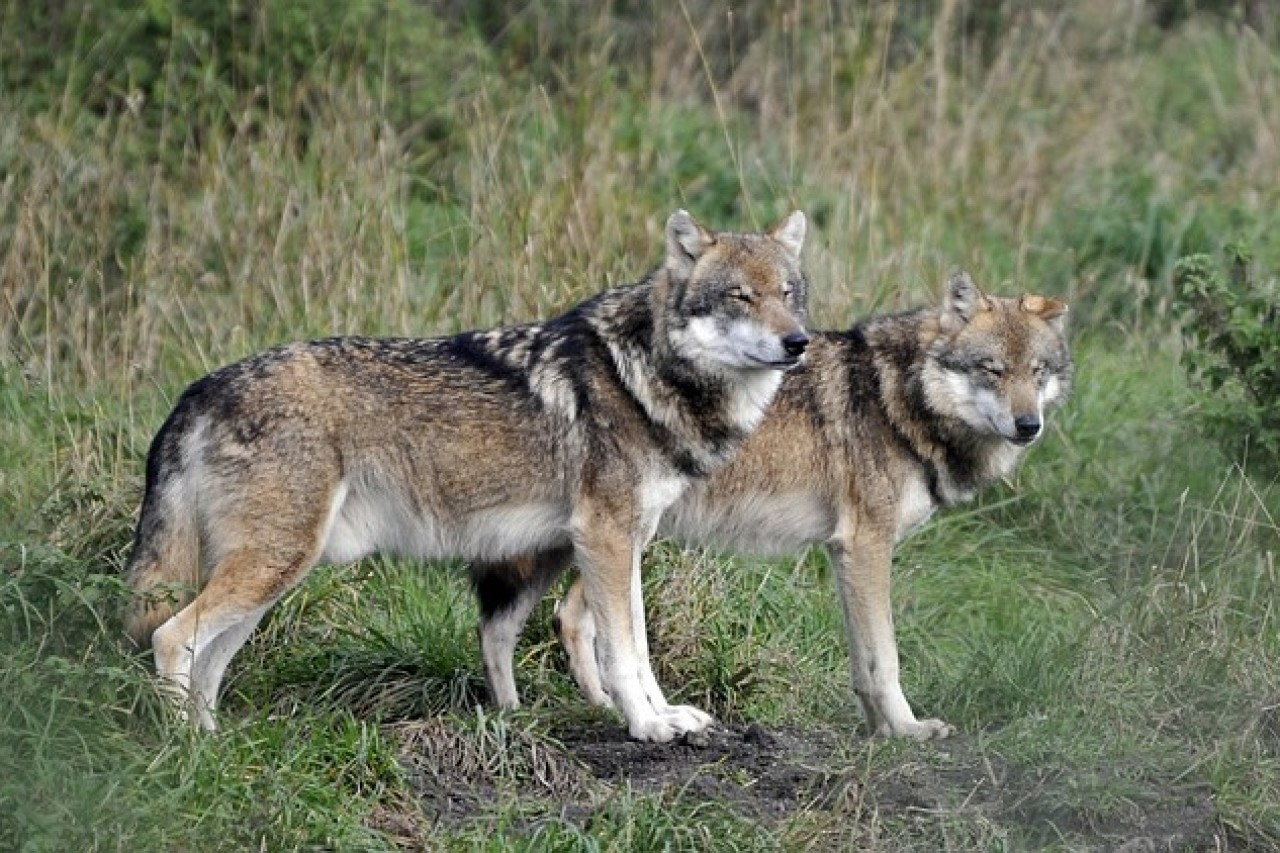
Wolves at the Crossroads: A Call to Protect Our Ecosystems
EU Council of Ministers weakens the wolf's protected status – a slap in the face of environmental protection and science. Tierschutz Austria launches petition #TeamWolf.
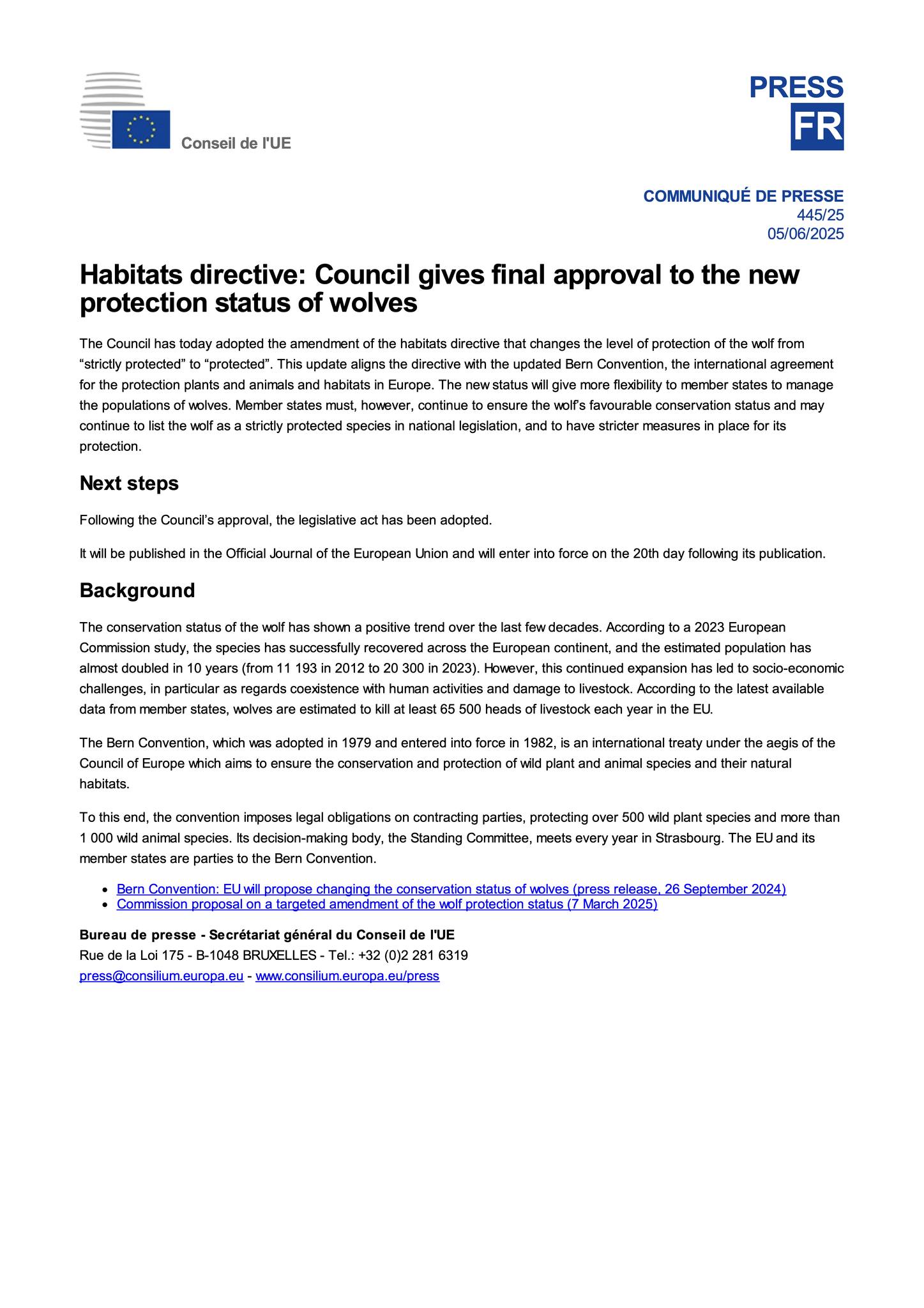
On World Environment Day, 5 June 2025, the EU Council of Ministers for Transport, Telecommunications and Energy provisionally sealed the decision to downgrade the wolf's protected status – from "strictly protected" to "protected".
For Tierschutz Austria, this is a political blow to species protection in Europe. With the petition #TeamWolf the organisation is now calling for resistance against the creeping devaluation of ecological responsibility.
A Decision Against Nature – and People
It is a political affront that wolf protection is being weakened on the very day of World Environment Day – and by a council that has nothing to do with environmental issues whatsoever. For species conservation in Europe, this is a severe setback, which is also sharply criticised by legal and natural scientists, says Michaela Lehner, Head of the Legal Department at Tierschutz Austria. The decision-making process regarding the downgrading is already being challenged before the European Court of Justice (ECJ).
During the EU consultation process – REFIT, over 500’000 EU citizens spoke out in favour of strict protection from hunting, a majority reconfirmed at the end of 2023 through a survey by the EU Commission. Equally, 3 in 4 Austrians support the return of the wolf, as the market research institute TQS found in a representative study commissioned by Tierschutz Austria.
Wolves fulfil important ecological functions
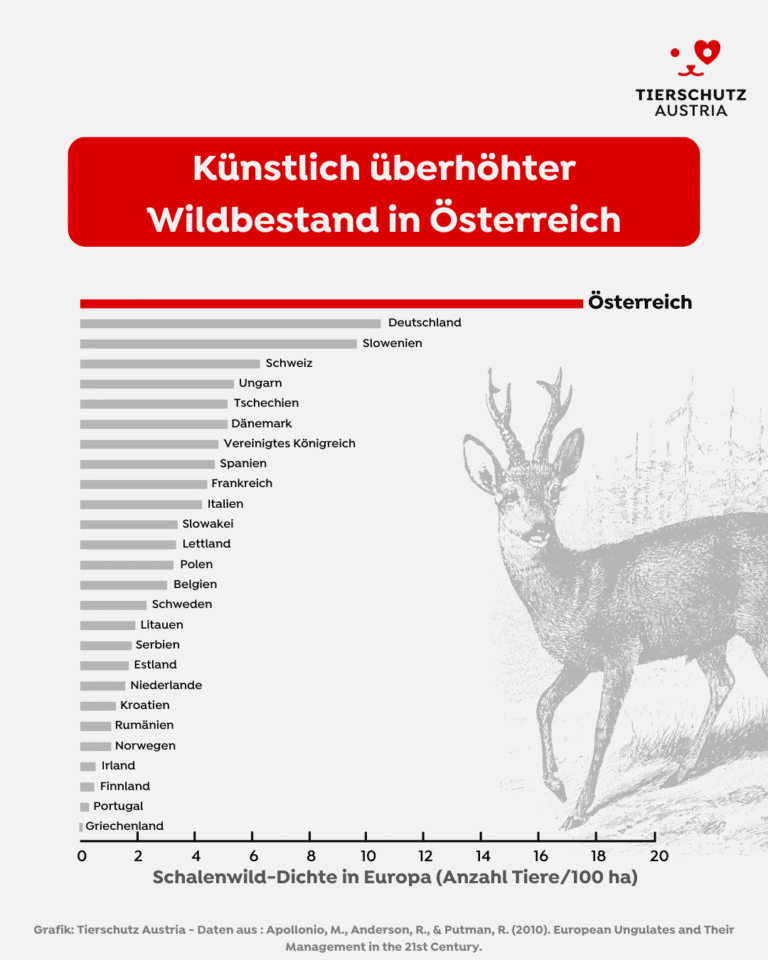
Scientific studies confirm that wolves perform central ecological functions. As apex predators, they regulate the balance between forests and wildlife. This role is particularly important in countries such as Austria, where outdated hunting practices and the absence of natural predators have allowed excessive wildlife populations to consume too many young trees, thereby preventing the natural regeneration of forests.
During legal proceedings before the European Court of Human Rights, Austria itself was forced to acknowledge that the high density of ungulates causes annual forest damage of approximately 136 million euros for taxpayers, according to Lehner.
By wolves hunting wildlife such as roe deer and red deer, they enable healthy forest development and promote the binding of CO₂ in the soil – a valuable contribution to environmental and climate protection.
Austria's wolf policy: culling instead of herd protection
Despite the important ecological benefits, Austria leads Europe in wolf cullings. “Cullings do not resolve conflicts. They create new problems – and ignore the will of the majority of the population”, says Leona Fux, biologist and species conservation expert at Tierschutz Austria. “What is needed are real solutions: herd protection, independent monitoring, and policies that do not sacrifice nature to short-term political calculation.“
Tierschutz Austria identifies the solutions:
An end to illegal cullings, in order to enable a favourable conservation status for wolves in Austria.
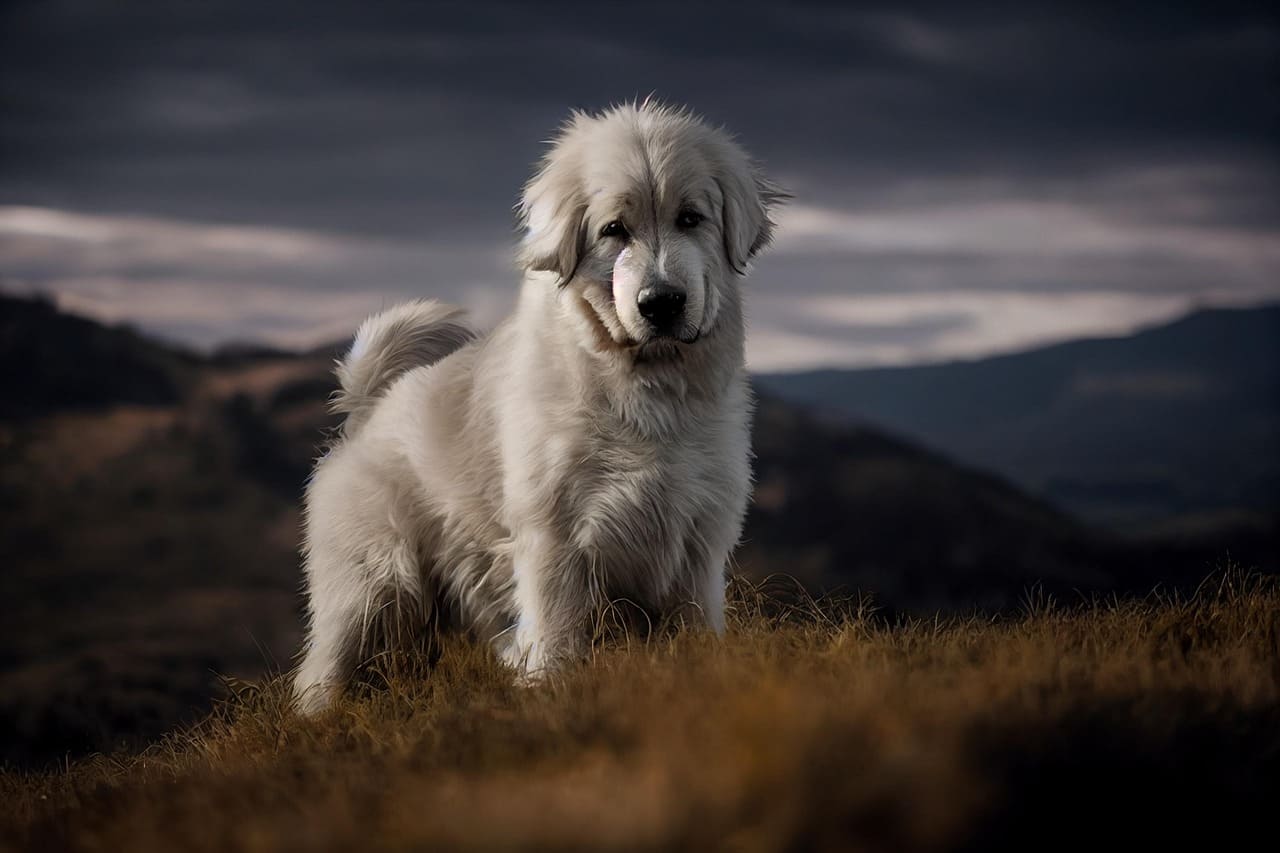
Nationwide funding and the comprehensive expansion of herd protection measures.
Independent, scientifically grounded wolf monitoring to support evidence-based decision-making.
The case illustrates how important it is for the public to exert pressure on policymakers in order to promote environmentally sound decisions. The protection of the wolf is not merely a symbolic issue, but an essential component of preserving our ecosystems.
Historical context
Wolves have been a controversial topic in Europe for centuries. In the Middle Ages, they were regarded as a threat to humans and livestock and were systematically hunted. It was not until the 20th century that they began to be recognized as an important part of the ecosystem and protective measures were introduced. The return of the wolf to many European countries in recent decades has been a major success for species conservation.
Comparison with Other Countries
Germany in particular has strict protective measures for wolves and comprehensive herd protection programs. France has also taken steps to promote coexistence between humans and wolves, while in Italy the populations are stable and are considered a success story of species conservation.
Outlook for the Future
The decision of the EU Council of Ministers could have far-reaching consequences. Should the wolf's protected status be further weakened, this could lead to an increase in illegal killings and a decline in wolf populations. This would not only endanger species conservation, but also nullify the ecological benefits that wolves provide.
Experts are therefore calling for a clear and coherent policy that places the protection of the wolf at its center while simultaneously taking into account the interests of farmers. Only through open dialogue and evidence-based decisions can a sustainable coexistence of humans and wolves be achieved.
The position of IG Wild beim Wild: IG Wild beim Wild rejects recreational hunting. Our model is the canton of Geneva, which has managed without recreational hunting since 1974: without hunting seasons, without hunting dogs, without driven hunts, without high seats, without the animal cruelty and crime that go hand in hand with hunting season elsewhere. What has worked there for over fifty years disproves every position paper by JagdSchweiz. An association that bases its policy on claims it refutes in its own documents is not a professional organisation, but a factory for misinformation.