Wolf population figures confirm stabilisation: hunting lobby goes in circles
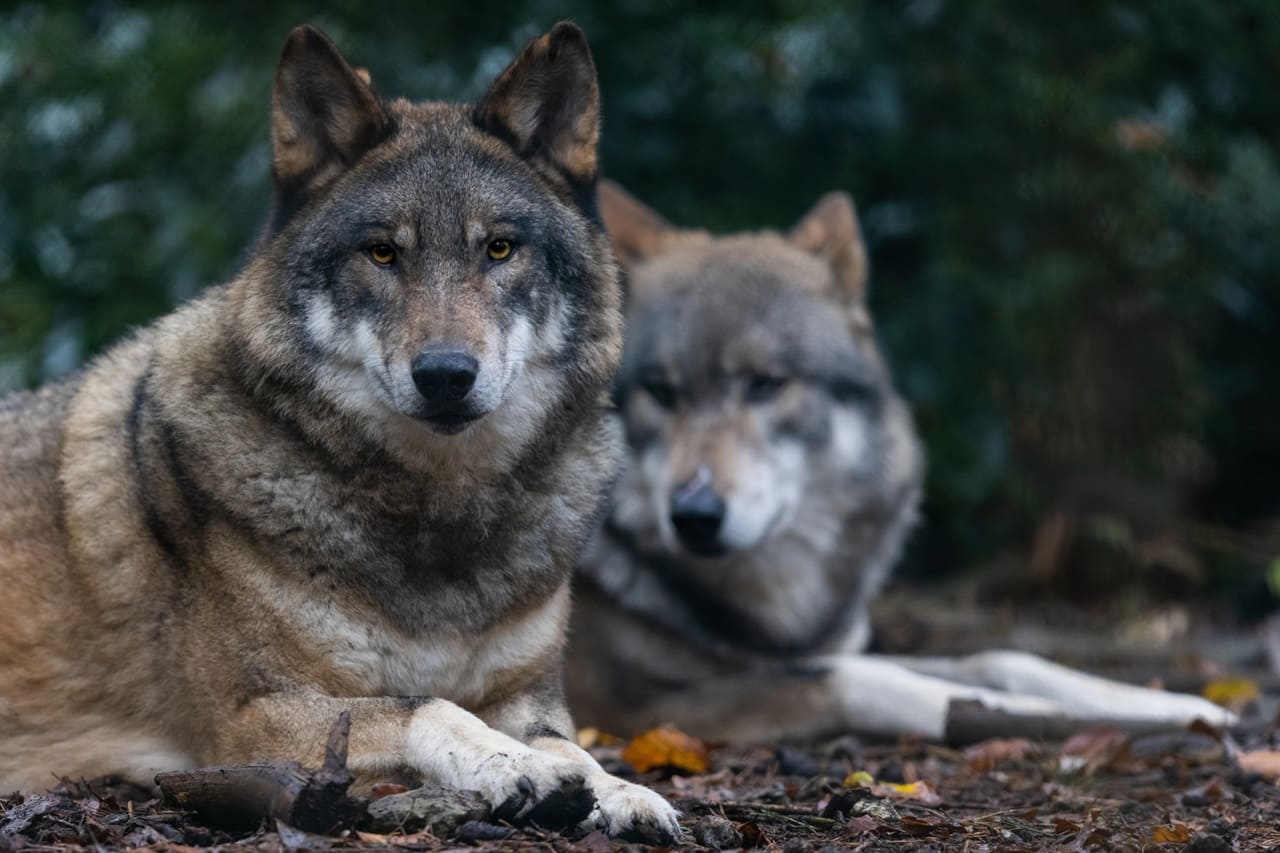
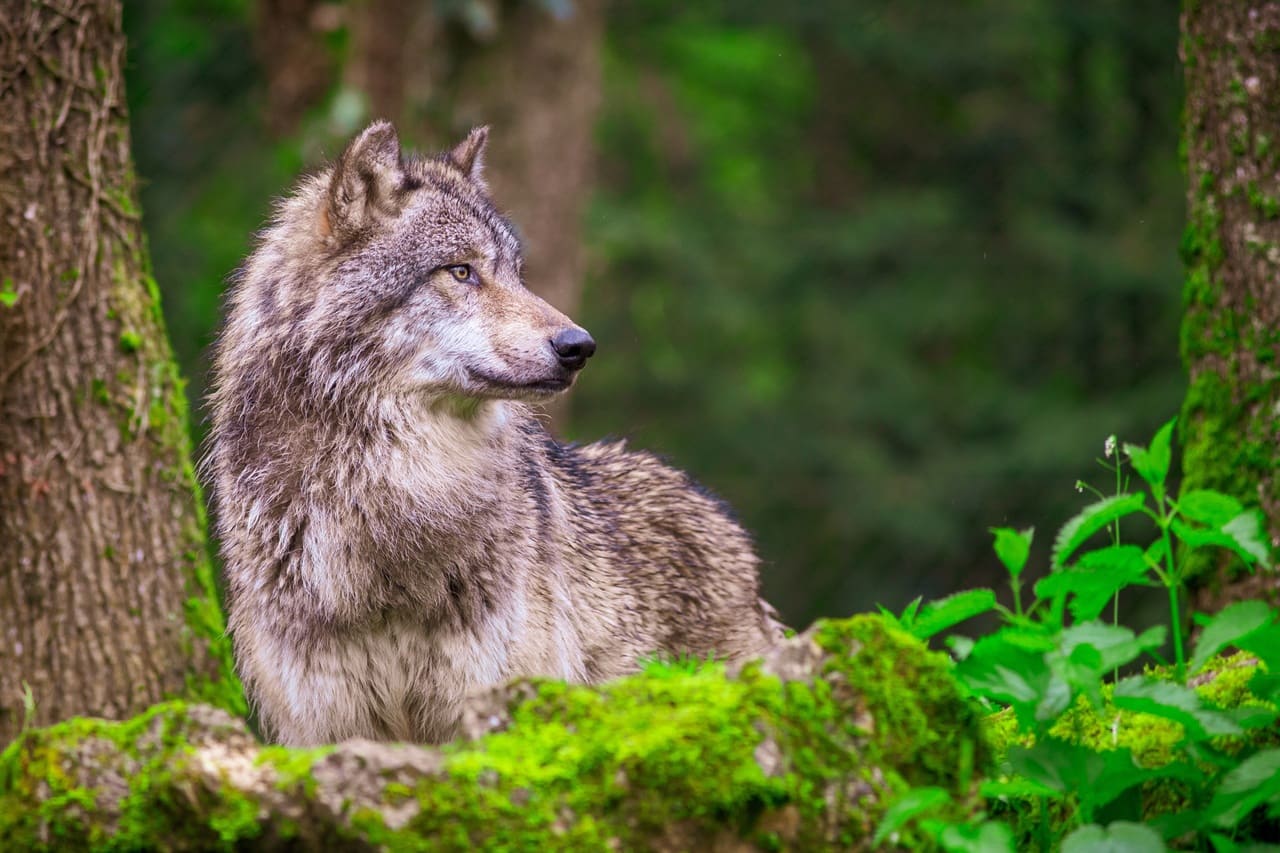
The recently published data from the Federal Documentation and Advisory Centre on the topic of wolves (DBBW) make it clear: the wolf population in Germany has not increased “explosively” but appears to have settled at a stable level.

Nevertheless, certain quarters continue to demand regular hunting, despite the absence of any specialist justification.
The German Animal Welfare Federation states in its press release clearly that this is a politically motivated demand that endangers species protection and public acceptance of it.
The animal welfare organisation writes: “The new figures once again refute the alarming narrative of an ‘exploding wolf population’. The wolf has found its place in Germany, and that is a success for species conservation.”
This debunks a widespread myth that wolves are spreading uncontrollably. What is evident instead is a balance — a balance that should fundamentally be regarded as positive.
The following points deserve particular emphasis:
- When an animal population stabilises, this does not automatically mean that action in the form of culling is required — quite the contrary: a stable population is frequently the very goal of nature conservation.
- Stabilisation presupposes that protective measures are working, for example through monitoring, protected status, herd protection measures, and so on.
- Such data undermine the argument that urgent regulatory intervention is now needed in order to nip a supposed “exponential development” in the bud.
Why calls for culling persist nonetheless
Despite the data, parts of the hunting and agricultural lobby continue to demand that the wolf be incorporated into hunting law or that culls be permitted at the very least. The Animal Welfare Federation describes such proposals as “purely politically motivated” and warns of the consequences for species conservation.
The following factors play a role in this:
- Economic Interests: Shepherds, foresters, and other affected groups often view the wolf as a competitor or risk to livestock and wildlife populations. Demands for culling address economic risks, but are not necessarily scientifically justified.
- Fear Narratives: Media and lobby groups stoke sentiment with terms such as “pest wolf,” “predator,” or “danger to humans and animals” — a dynamic that operates independently of the facts.
- Political Symbolism: Demands for culling appear solution-oriented, but are not necessarily effective. The impression is created that action is being taken, yet whether it actually has any impact remains unclear.
Why Regular Hunting Has No Scientific Basis
The core arguments against regular hunting can be summarized as follows:
- No Overpopulation: As shown at the outset, there is no data substantiating uncontrolled population growth.
- Conservation Success: The wolf has been protected for decades; its presence demonstrates that protective measures work — it does not belong in the category of “culling” as a standard instrument.
- Ecological Role: Wolves perform important functions within the ecosystem, for example as predators and thus in the regulation of wildlife populations, disease vectors, etc. Unplanned culling can produce complex unintended consequences.
- Alternative Measures Available: Rather than relying on culling, herd protection, public education, prevention, and monitoring are more effective approaches. The animal welfare association recommends precisely this path.
Approaches Beyond Shooting Plans
If culling is not a sensible standard measure, what alternatives are available?
- Expand Herd Protection: Electric fences, guard dogs, electric protective fencing, behavioral changes in livestock management.
- Education and Acceptance Promotion: Many conflicts arise from fear or misinformation. Greater knowledge fosters understanding and reduces confrontation.
- Monitoring & Transparency: When data is available, publicly accessible, and traceable, broader support among the population is generated.
- Precise Risk Assessment Instead of Blanket Culling: Rather than generalized culling demands, decisions should be made on a case-by-case basis, in instances of clear endangerment or very high conflict levels.
- Long-Term Strategy Instead of Knee-Jerk Politics: A nature-compatible wolf policy requires time, consideration, and strategy — not merely short-term, isolated actions.
An End to Hunting Rhetoric
The current DBBW figures and the statement of the animal welfare association make it clear: the wolf is not on a dangerous growth path, but has established itself in Germany. This does not require regular hunting — on the contrary: it would undermine species protection, exacerbate conflicts, and send the wrong signal.
Those who instead rely on prevention, education, and protective measures offer a solution-oriented alternative to the well-worn logic of hunting. If we take nature seriously, that means: not shooting reflexively, but acting sustainably.
More on the subject of recreational hunting: In our dossiers on the criticism of recreational hunting gather fact-checks, analyses and background reports. The scientific evidence is presented in the overview Studies on the Effects of Recreational Hunting.
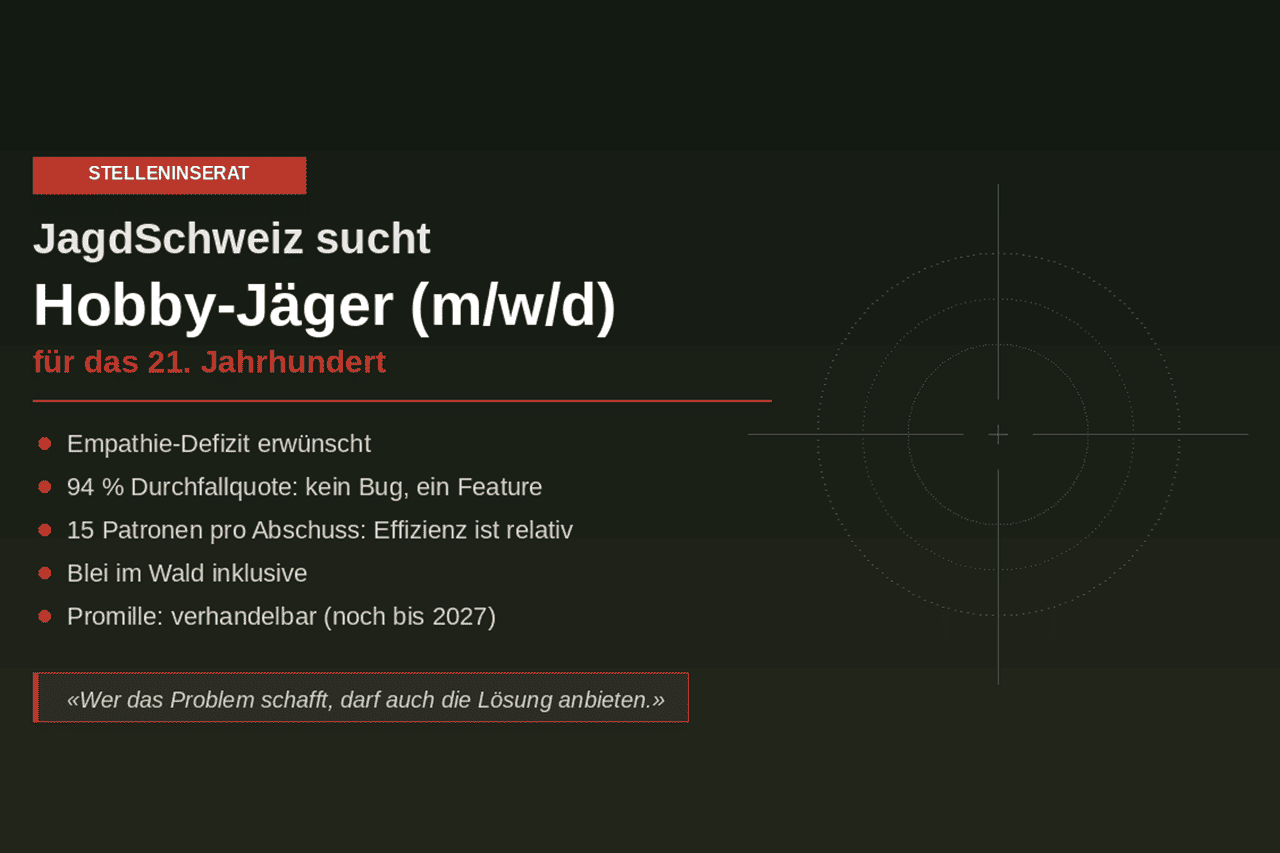
The position of IG Wild beim Wild: IG Wild beim Wild rejects recreational hunting. Our model is the canton of Geneva, which has managed without recreational hunting since 1974: without hunting seasons, without hunting dogs, without driven hunts, without high seats, without the animal cruelty and crime that go hand in hand with hunting season elsewhere. What has worked there for over fifty years disproves every position paper by JagdSchweiz. An association that bases its policy on claims it refutes in its own documents is not a professional organisation, but a factory for misinformation.