Wolf in hunting law: Austria and Germany
Since 3 February 2026, the wolf is officially game in Lower Austria. Germany is planning the same step: On 23 February 2026, a public hearing on amending the Federal Hunting Act will take place in the Bundestag, which is also intended to include the wolf in hunting legislation. What sounds like a bureaucratic act has far-reaching consequences for one of Europe's most fiercely contested animal species. And it raises a question that extends far beyond Austria and Germany: Is this nature conservation or lobby politics?

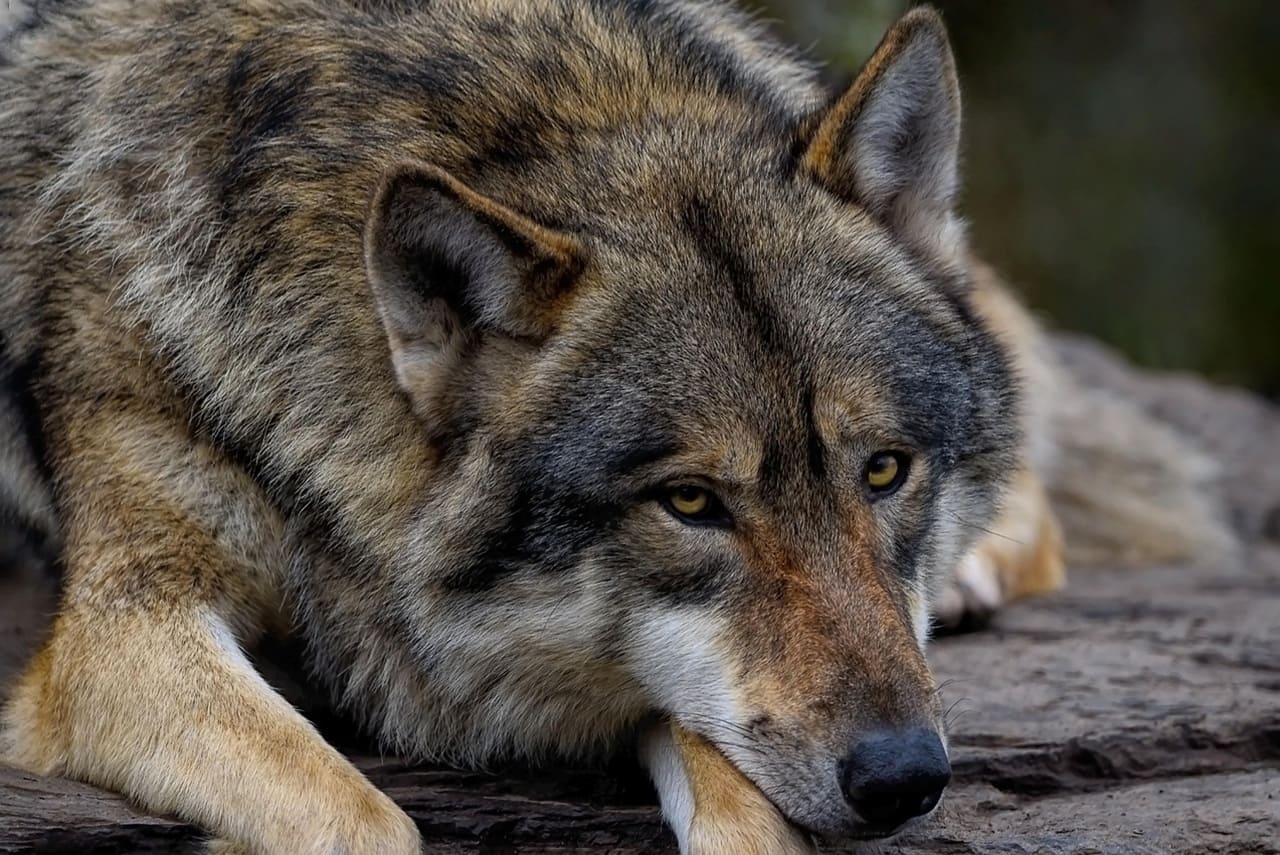
In December 2025, Lower Austria's Deputy Governor Stephan Pernkopf (ÖVP) presented a comprehensive hunting law amendment to the Lower Austrian state parliament.
He called it Austria's «most modern hunting law». It has been in effect since 3 February 2026.
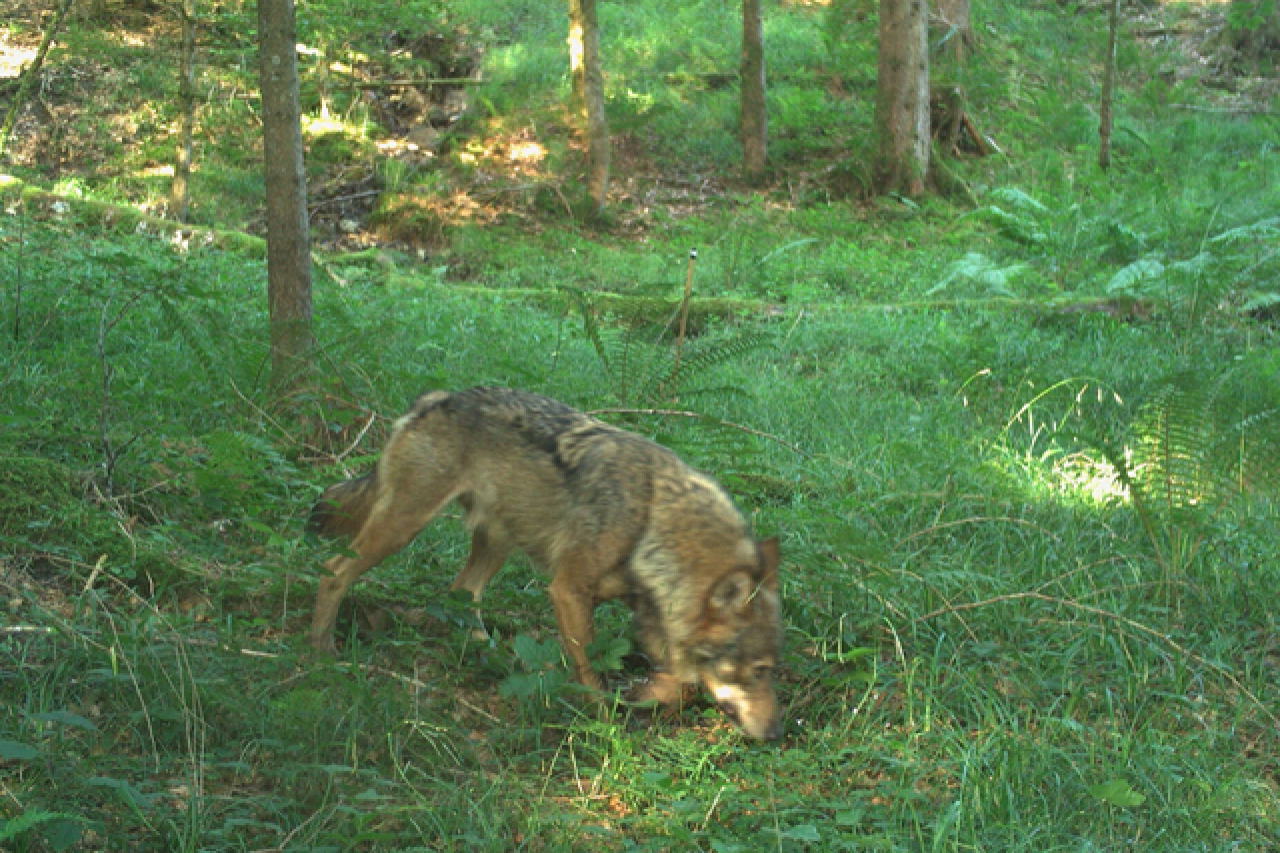
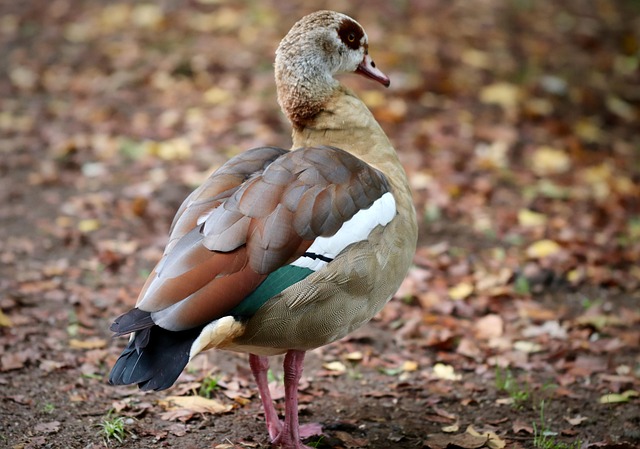
The amendment contains numerous new regulations: The wolf is classified as huntable game, with year-round closed season and explicit exceptions for so-called 'problem wolves'. If a wolf approaches a settlement for the first time within 100 meters or approaches a protected herd and deterrence proves unsuccessful, it may be shot. Night vision aids are newly permitted for recreational hunting of fox, badger and stone marten at night. The use of drones in recreational hunting is expressly prohibited, as is stalking, seeking out, filming and driving wildlife. Drones remain permitted only as exceptions for young wildlife rescue, wildlife population surveys and wildlife damage assessments. Additionally, golden jackal and Egyptian goose have been newly incorporated into hunting law.
The drone ban in recreational hunting sounds like protection for wildlife at first glance. However, it stands in telling contrast to the simultaneous expansion of night hunting through new aiming aids: What is prohibited by drone during the day is replaced by technology at night.
The political foundation: EU downgrading 2025
The decisive legal lever for the amendment is the EU's downgrading of the wolf: In 2025, the wolf was downgraded within the framework of the Bern Convention and the FFH Directive from 'strictly protected species' to 'protected species'. This opened the door at EU level for national regulations that would have been excluded under species protection law until now.
Criticism from animal welfare
The Association Against Animal Factories (VgT) speaks of a 'culture war in the forest' and sees the law exclusively in the interest of recreational hunters. The 'favorable conservation status' of the wolf is not yet given in Austria from a scientific perspective. Through the expansion of night hunting to fox, badger and marten, wildlife would have no 'breathing space' anymore, not even at night. The exception rules for 'problem wolves' are so broadly defined that de facto hardly any wolf is permanently safe.
When recreational hunting is also intensified during the night, the animals don't even have a breathing space during the night, says VgT deputy chairman Georg Prinz.
From a wildlife ethics perspective, this is no small matter: Night is for most wildlife species the only time when they can act without human pressure.
Germany: The Bundestag decides
In Germany too, the wolf is on the verge of entering hunting law. The Committee for Agriculture, Nutrition and Homeland has convened a public hearing on the Federal Hunting Act (Document 21/3546), which will take place on February 23, 2026 at 4:30 PM in Berlin. Experts are to advise on the planned amendment to the Federal Hunting Act and the Federal Nature Conservation Act.
What is planned
The planned law provides for including the wolf as a 'fundamentally huntable species' in the Federal Hunting Act. This was made possible by the same EU downgrading of the FFH Directive that Lower Austria also relies on. The Federal Hunting Act forms the framework within which the 16 federal states enact their own hunting laws. An inclusion at federal level would thus open the way for wolf culls in all German federal states.
Science and associations are divided
The hearing in the Bundestag shows: There is no consensus. Nature conservation associations and parts of the scientific community emphasize that Germany risks long-term ecological imbalance without the wolf as a regulating factor. Hunting associations and agricultural politicians, however, point to the increase in wolf packs and rising livestock kills as arguments for active population management.
The common denominator: Interest politics under the guise of 'management'
What connects Lower Austria and Germany is the political narrative: The wolf as a 'problem animal', whose regulation is framed as a rational and scientifically based measure. But those who look more closely recognize the patterns: The EU downgrading was actively pursued by agricultural and hunting lobbies for years. In both countries, ministries of agriculture close to the ÖVP (AT) or led by CDU/CSU (DE) dominate legislation. Livestock protection as a consistent, non-lethal alternative is mentioned but rarely implemented as an equivalent approach. The drone ban in recreational hunting in Lower Austria doesn't change the fact that night vision aids drive the technological intensification of recreational hunting.
For a well-founded assessment of these mechanisms, it's worth looking at the dossier 'The Wolf in Europe: Why Recreational Hunting Is Not a Solution' as well as the dossier 'Wolf in Switzerland: Facts, Politics and the Limits of Hunting'.
Two Countries, One Script
Austria and Germany follow the same playbook: exploit EU downgrading, include wolves in hunting law, sell the measure as 'reason' and 'legal certainty'. What is systematically ignored: the still fragile conservation status of the wolf, the inadequate implementation of livestock protection measures, and the question of what message such a law sends to society. Taking wild animals seriously as sentient beings means not leaving these questions to hunting associations.
Further information on the topic: Taking Action Against Recreational Hunting | Harassment of Wild Animals | Studies on the Impact of Recreational Hunting on Wild Animals
Support our work
With your donation you help protect animals and give their voice a hearing.
Donate now →