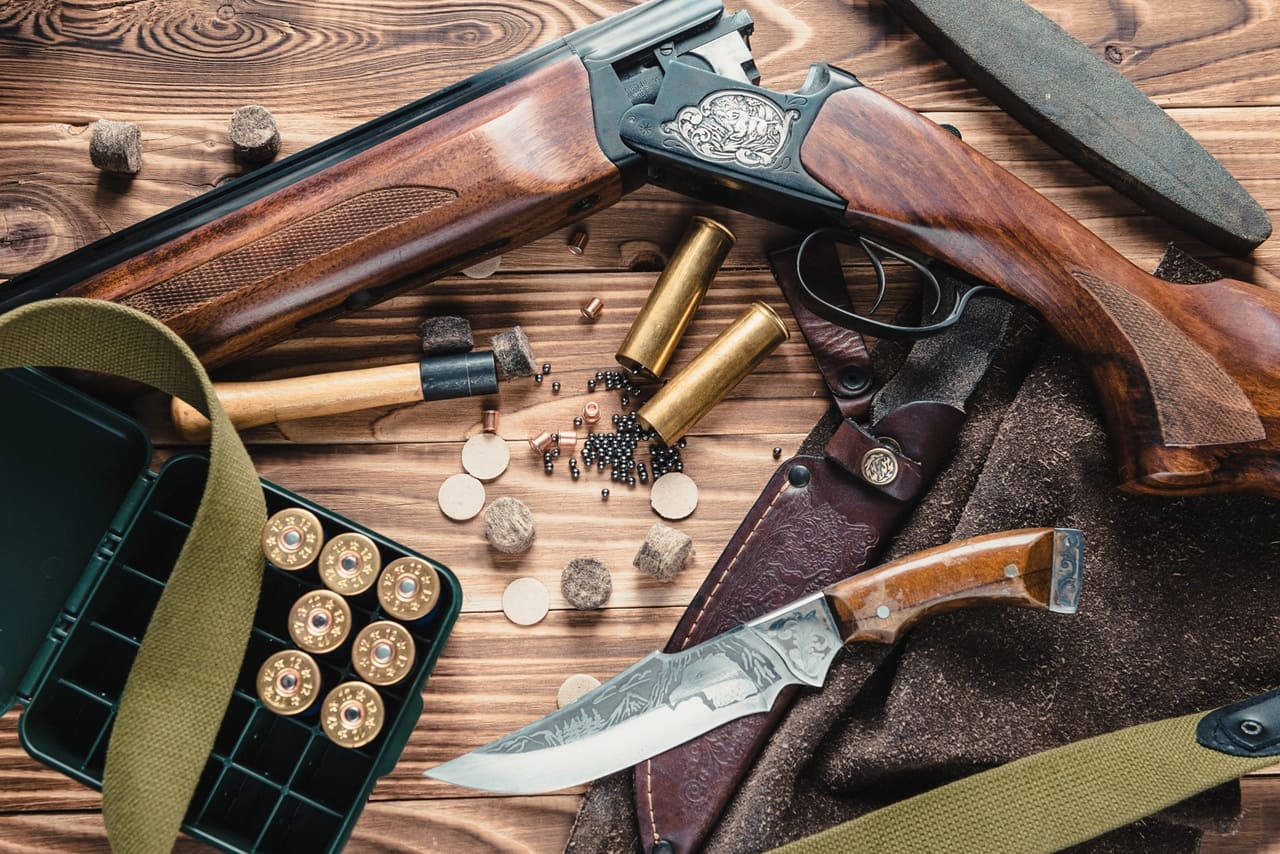
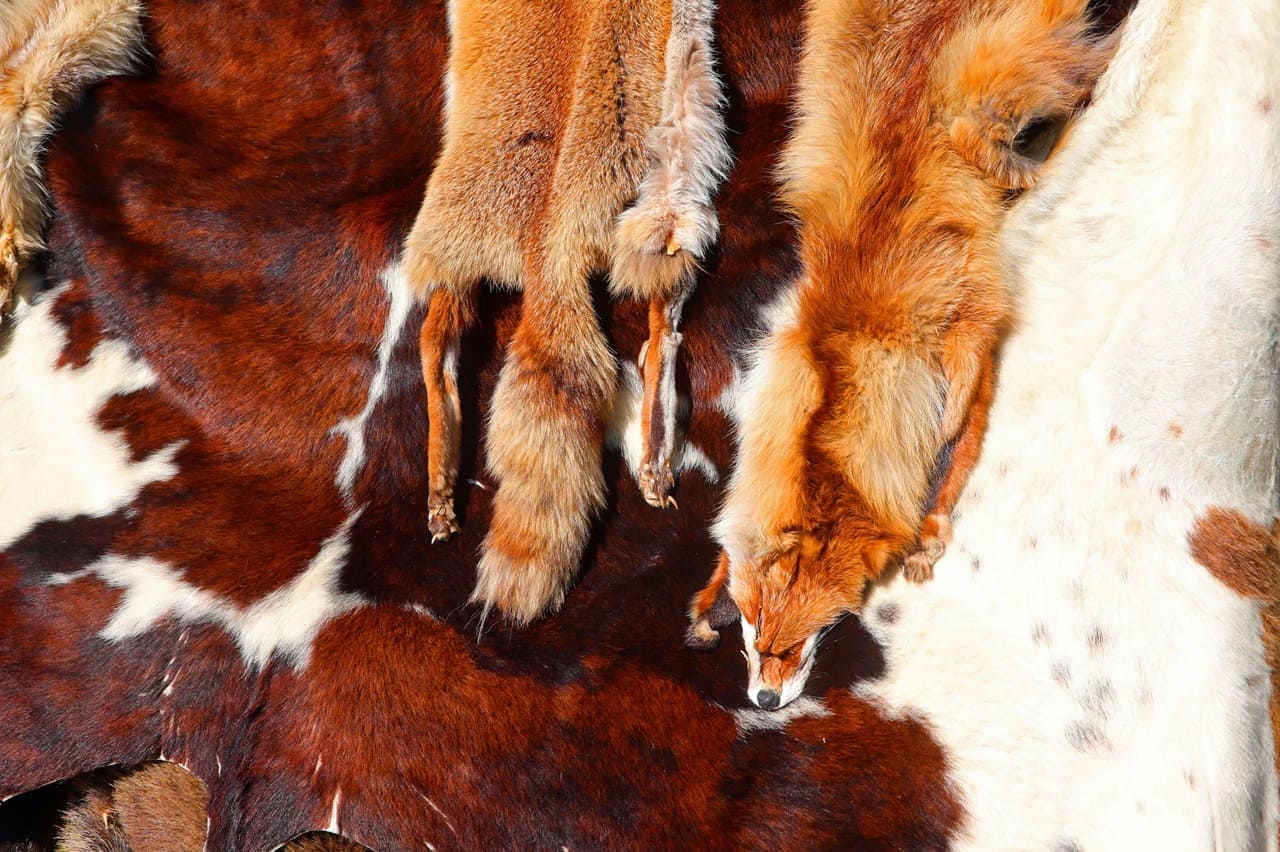
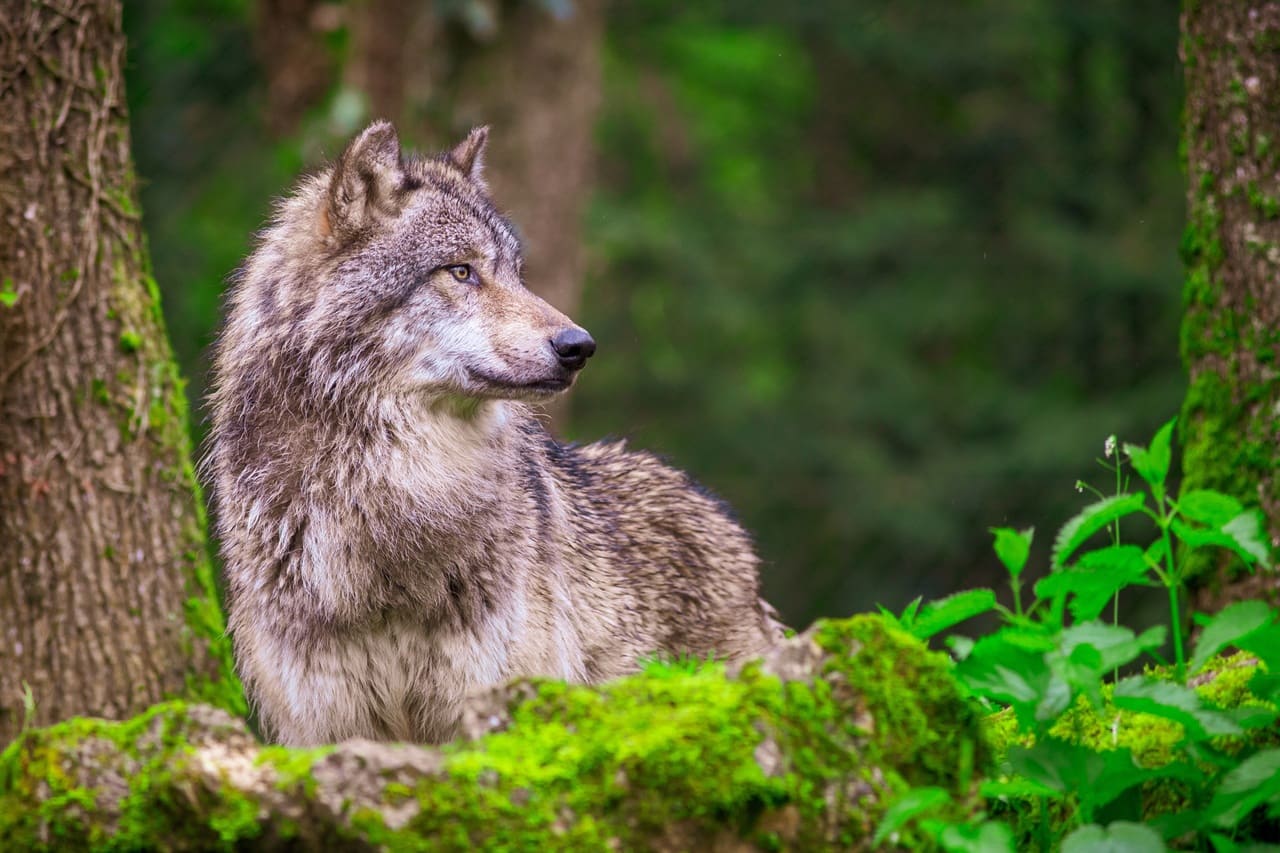
Hunting tourism in Botswana sold as a «conservation project»
When conservation suddenly smells of champagne.

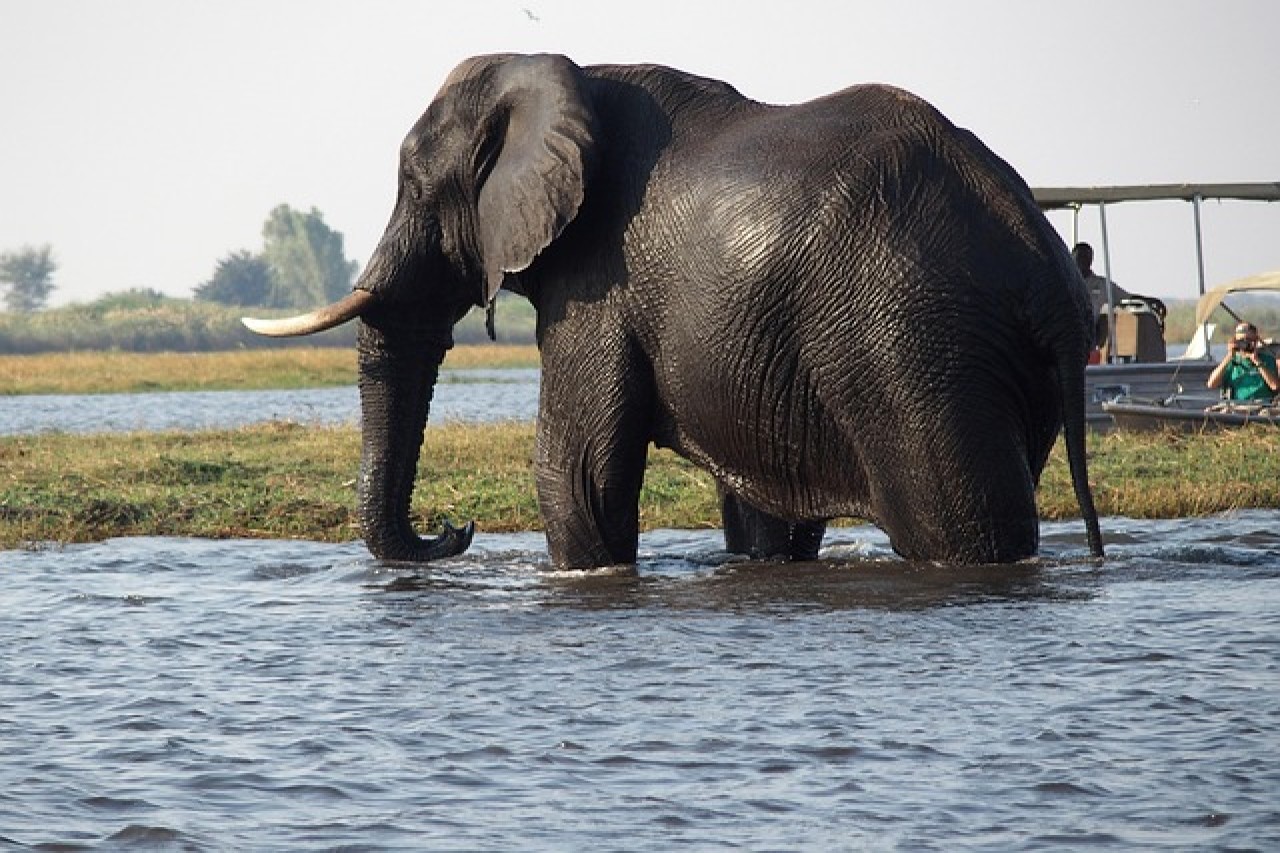
Botswana is regarded by many as the last paradise for elephants – a country that takes pride in its protection of wildlife.
Yet in recent years, criticism has been growing louder: upscale safari lodges and private reserves that are supposedly dedicated to conservation not infrequently open their doors to wealthy hobby hunters.
A particularly striking example is a project founded by the Berlin entrepreneur couple Rainer and Petra Schorr. The Tagesspiegel reported on their private reserve in Botswana under the headline «The Dream of Owning a Reserve». The couple operates a luxury lodge there, presented as a wildlife sanctuary – complete with its own airstrip, swimming pools and «sustainable tourism».
Between safari, conservation area and shooting range
In theory, the concept sounds promising: tourism is meant to bring money to remote regions, create jobs and finance wildlife conservation. In practice, however, the boundaries often blur.
Animal welfare organisations such as PETA and several international media outlets recalled that Rainer Schorr made headlines in 2015 after an exceptionally large elephant bull was shot in Zimbabwe. According to PETA, Schorr is said to have been the trophy hunter; he himself denied the allegations to British media and stated that “the wrong person” had been identified.
The episode nonetheless illustrates how closely the issues of hunting, luxury and conservation are intertwined in Africa. For the lodge’s manager, Carl Knight, also runs «Take Aim Safaris», a company that organises big-game hunts in several African countries.
The double standards of «green» hunting tourism
Proponents argue that regulated hunting is part of sustainable management: only old, surplus wildlife would be culled, and the high licensing fees would benefit the local population and the protection of habitats.
Yet this argument crumbles under closer scrutiny. Studies and NGO reports show that only a fraction of hunting revenues actually reach the communities. The majority flows to private operators, licensees and intermediary agencies.
And anyone who has ever read the price lists of a trophy hunt knows: it is not about necessity, but about exclusivity. Hunting an animal becomes a matter of status — a prestige event for the wealthy, staged with colonial aesthetics and marketed as an “adventure with a clear conscience.”
Water, Wealth and Contradictions
Botswana regularly contends with drought and water scarcity. Yet across its savannahs, facilities with pools, air conditioning and exclusive villas are being built — for guests paying thousands of euros per night.
While locals often have barely any access to clean drinking water, these luxury projects consume enormous resources. The disparity is plain to see: under the pretence of conservation, an infrastructure is being created that primarily serves the comfort of Western visitors.
A System Without Accountability
The operators of such reserves like to speak of “overpopulation” and “ecological balance” when culls are approved. But who controls how these quotas are determined?
Many African countries have weak oversight mechanisms, and the connection between hunting licences, politics and money is tight. On top of that: once Western investors appear with professional PR agencies, critical questions are quickly drowned out.
Hunting areas thus transform into luxurious “Conservation Estates” and trophy photographs. The narrative: we are not hunters — we are saviours.
The Elephant in the Room Remains
Real help requires no rifle. As long as luxury and hunting are conducted under the guise of conservation, the term “sustainable” remains a farce.
Conservation is not a lifestyle project for investors, nor a PR strategy for Western entrepreneurs. It is an obligation towards the animals, the ecosystems and the people on the ground.
Botswana, Zimbabwe and Namibia have demonstrated that sustainable ecotourism works — without gunshots, without trophies, without false images of heroism.