Why shark populations struggle to recover
Shark populations struggle to recover from overfishing. Their slow reproduction makes them particularly vulnerable to extinction.

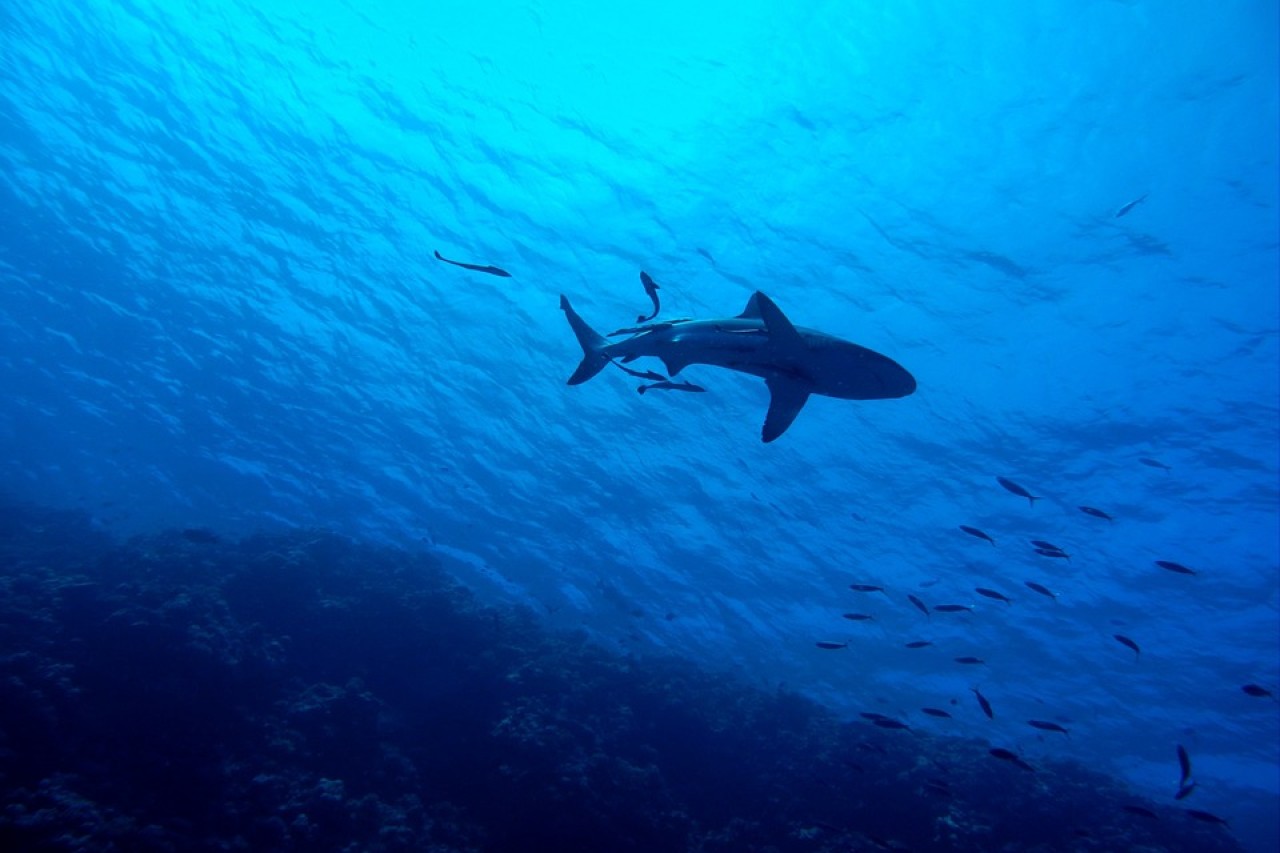
Thanks to years of effective fisheries management and conservation measures, the future looks brighter for some tuna and snapper species — including Southern Bluefin Tuna, Black Marlin, and Swordfish — after decades of population decline.
A new study shows, however, that certain sharks inhabiting the open-ocean habitats of these species continue to face serious threats.
In fisheries targeting tuna and billfish, these sharks — in particular oceanic whitetip and porbeagle sharks — are frequently caught as bycatch. Furthermore, the likelihood of these species becoming extinct is increasing due to a lack of dedicated management.
A comprehensive view of the ecosystem for the first time
The study assesses the extinction probability of 18 large marine fish species over seven decades. According to Colin Simpfendorfer, a marine scientist at James Cook University in Australia who was not involved in the study, it offers “a view of the open ocean that we have not had before.”
Most of this data had previously only been accessible for specific species. However, the synthesis of all the data enables a considerably more comprehensive picture of the state of this significant ecosystem, according to the author.
According to Maria José Juan-Jordá, a fisheries ecologist at the Spanish Institute of Oceanography in Madrid, recent large-scale assessments of global biodiversity have shown a decline in species and ecosystems worldwide. However, very little is known about these trends in the oceans.
Tuna recovers — sharks do not
To close this gap, Juan-Jordá and her colleagues turned to the Red List of the International Union for Conservation of Nature, which assesses changes in a species’ extinction risk. The team focused on tunas, snappers, and sharks — large predatory fish with significant ecological impacts in the open ocean.
The research team found that the extinction risk for tuna and snappers increased in the second half of the 20th century before declining in the 1990s and 2010s. The results are promising for billfish and tuna, according to Simpfendorfer. However, three of the seven tuna species and three of the six snapper species are still considered near threatened, vulnerable, or endangered.
Why sharks suffer particularly
Shark species are struggling in the regions where tuna and snapper are caught, and sharks are frequently caught as bycatch.
According to Juan-Jordá, “shark numbers continue to decline, and with that the risk of extinction also rises,” even though we are handling economically significant target species such as tuna and billfish more responsibly.
According to Juan-Jordá, the problem of accidentally caught sharks could be addressed by establishing catch limits for specific species and defining sustainability targets for tuna and billfish fisheries that go beyond the target species.
The organizations responsible for management must act quickly before it is too late, according to Simpfendorfer. “There is an obvious need for a significant improvement in shark-focused management,” he adds. As the biodiversity crisis also shows on land, the protection of wildlife requires binding measures.
More on the subject of recreational hunting: The scientific evidence is presented in the overview Studies on the Effects of Recreational Hunting.
The position of IG Wild beim Wild: IG Wild beim Wild rejects recreational hunting. Our model is the canton of Geneva, which has managed without recreational hunting since 1974: without hunting seasons, without hunting dogs, without driven hunts, without high seats, without the animal cruelty and crime that go hand in hand with hunting season elsewhere. What has worked there for over fifty years disproves every position paper by JagdSchweiz. An association that bases its policy on claims it refutes in its own documents is not a professional organisation, but a factory for misinformation.