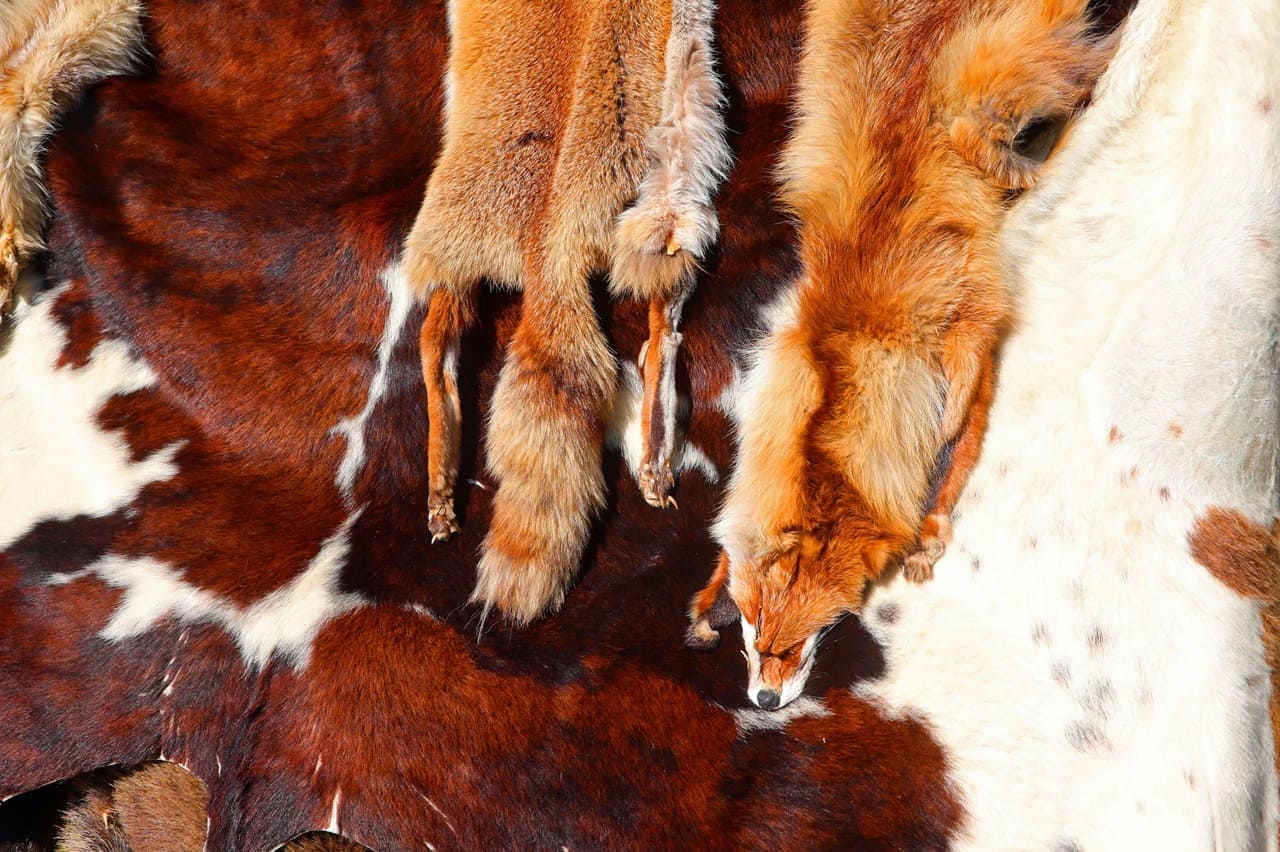
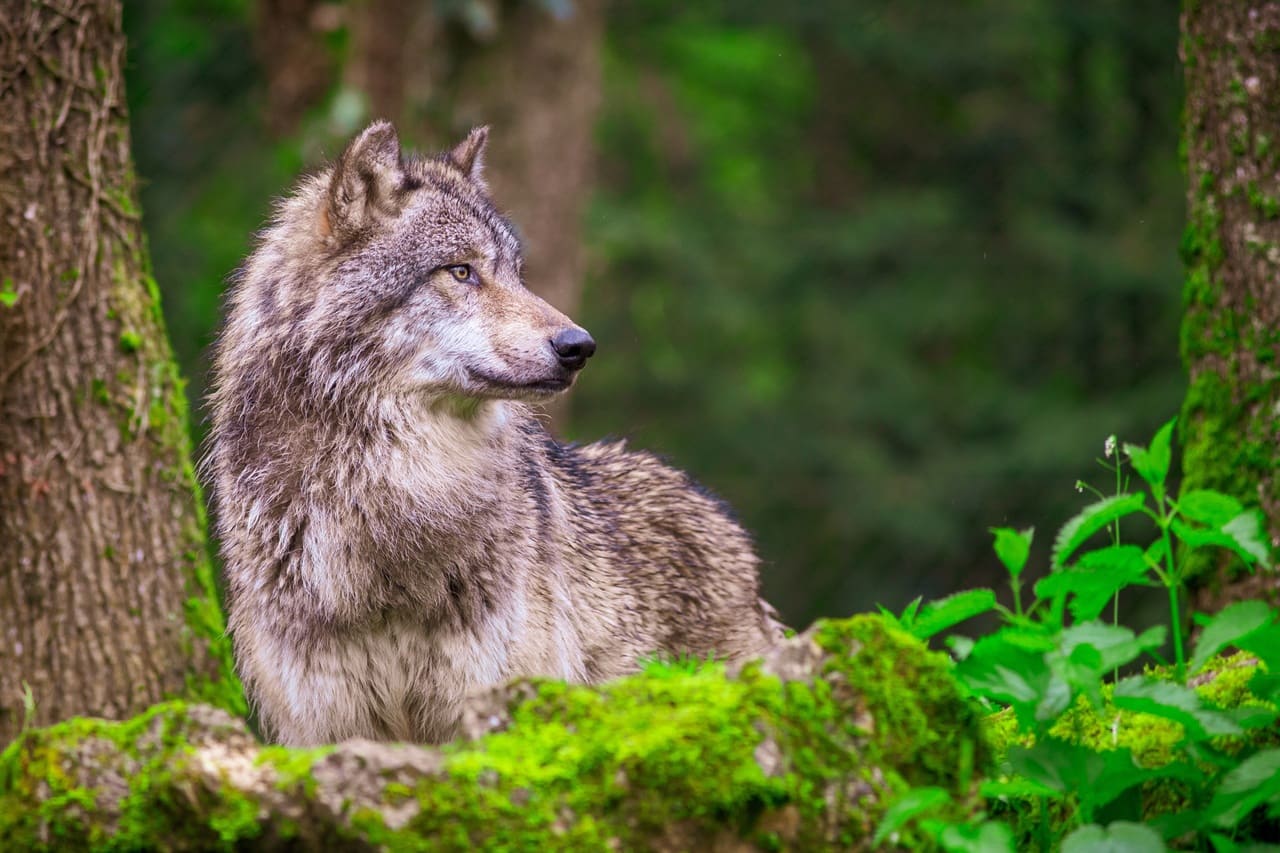
Why hobby hunting in Switzerland is not nature conservation
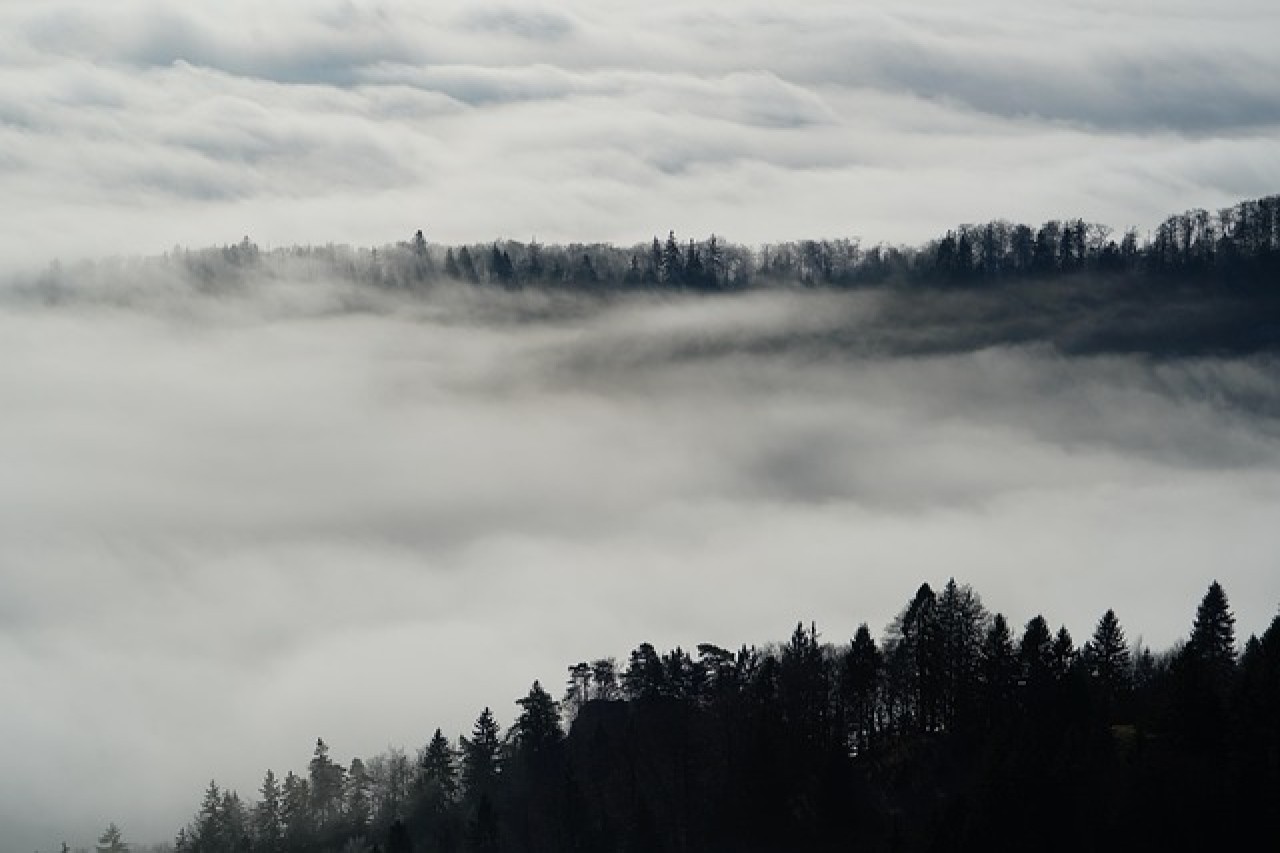
At dawn, as mist drifts through the Alpine forests, the Swiss hobby hunter lies in wait — a symbol of an allegedly age-old tradition said to protect nature and regulate populations. But anyone who looks more closely will recognise: this story is a fairy tale. Today’s hunting practices in Switzerland have little to do with nature conservation.

Around 30,000 hobby hunters are active in Switzerland.
Each year they kill more than 130,000 wild animals — roe deer, chamois, red deer, wild boar, birds and foxes.
Today’s wildlife populations are the result of human intervention. Hobby hunting does not solve problems — it creates them.
The system of “population regulation” is in reality a cycle of intervention, overpopulation and renewed intervention. Hunting strategies ensure that sufficient game is always available to meet culling quotas. This has little to do with natural balance.
In reality, hobby hunting is a multimillion-franc pastime that costs tens of thousands of animals their lives each year — mostly not out of necessity, but out of a desire to kill. Forests are deliberately “managed” to ensure that sufficient game remains available to guarantee a steady supply of trophies. The so-called “cull plan” serves the interests of hunters rather than ecological balance.
Hobby hunters claim they must intervene because natural predators are absent. Yet these predators are often absent because of hunting itself. Foxes, lynxes, birds of prey and wolves continue to be persecuted or obstructed in many areas, even though they are essential for a functioning ecosystem. Instead, humans create an artificial imbalance which they then “regulate” with a rifle.
Roe deer and red deer are scapegoated for browsing young trees — a problem that arises primarily in over-exploited monocultures, not in intact mixed forests. And wild boar? They benefit from human waste, maize fields, and mild winters: conditions created by humans themselves.
When nature is allowed to regulate itself
The Swiss National Park demonstrates how wildlife populations develop when humans do not intervene. Roe deer, red deer, and chamois populations stabilize on their own after a few years, the forest regenerates, and biodiversity increases.
This is confirmed by international research, including from the Bavarian Forest and Slovenia: in areas free of hunting, wild populations regulate themselves through natural mechanisms — food availability, disease, and predators.
The wolf as an inconvenient competitor
Since the wolf's return to Switzerland, it has become clear that the traditional hunting system is being destabilized. In 2024, according to the BAFU, dozens of wolves were shot preventively — in some cases entire packs — often without any demonstrable damage.
Where predators are permitted, wildlife densities and ecosystems stabilize, and nature finds its balance. Yet instead of allowing this process to unfold, the wolf is persecuted in order to preserve the hunters' own “regulatory role.”
Animal suffering behind the concept of “Fair Chase”
Many animals flee wounded and die hours later from blood loss or stress. Recreational hunting is not a clean, swift death. Many animals flee wounded, dying only hours later from blood loss, internal injuries, or stress. Female animals are frequently shot while their young are left to perish from starvation. This reality rarely finds its way into the public relations work of the hunting community, which prefers to invoke terms such as “conservation,” “fair chase,” and “animal welfare” — words designed to obscure the actual suffering involved.
“Fair chase” may sound noble, but it is often nothing more than a moral veneer concealing systematic animal suffering.
The hunting lobby wields considerable influence in Switzerland. In many cantons, poorly trained hobby hunters sit on hunting commissions, advising authorities and helping to shape legislation.
This was clearly demonstrated in 2020 with the failed revision of the Hunting Act. The public voted against loosening the shooting regulations for wolves and other species — a signal in favor of stronger animal and nature protection.
Nevertheless, several cantons have since relaxed their regulations, and “preventive” wolf culls are being approved even before any damage has occurred.
More and more people are recognizing that hobby hunting is not a natural heritage but an anachronism. Scientifically grounded wildlife management models have long demonstrated alternatives: natural regulation through predators, targeted habitat protection measures, and non-lethal methods for damage prevention.
Nature conservation means preserving life, not ending it. Those who truly fight for nature draw no line between “useful” and “harmful”.
A hunting-free future: not a utopia, but a necessity
The facts are clear:
- Hunting-free zones work.
- Nature can regulate itself.
- Animal suffering is avoidable.
Switzerland could take on a pioneering role — with genuine wildlife sanctuaries, scientifically grounded wildlife management, and reduced hunting pressure. Because true nature conservation does not mean ending life, but preserving habitats.
Wildlife needs peace, not bullets.
Hobby hunting in Switzerland is not a contribution to the balance of nature, but a relic of a time when humans believed that only with a rifle could order be maintained. Yet nature was in balance long before us — and it will be again, once we finally stop playing its judge.
Today we know better. A modern, ethical wildlife management relies on science, not tradition. Nature does not need hobby hunters — it needs respect, restraint, and trust.