Who eats what at the feeding station: winter feeding for birds
Soft food or grains: the bird feeder shows which bird prefers what. Those who know this will attract a colourful array of visitors.
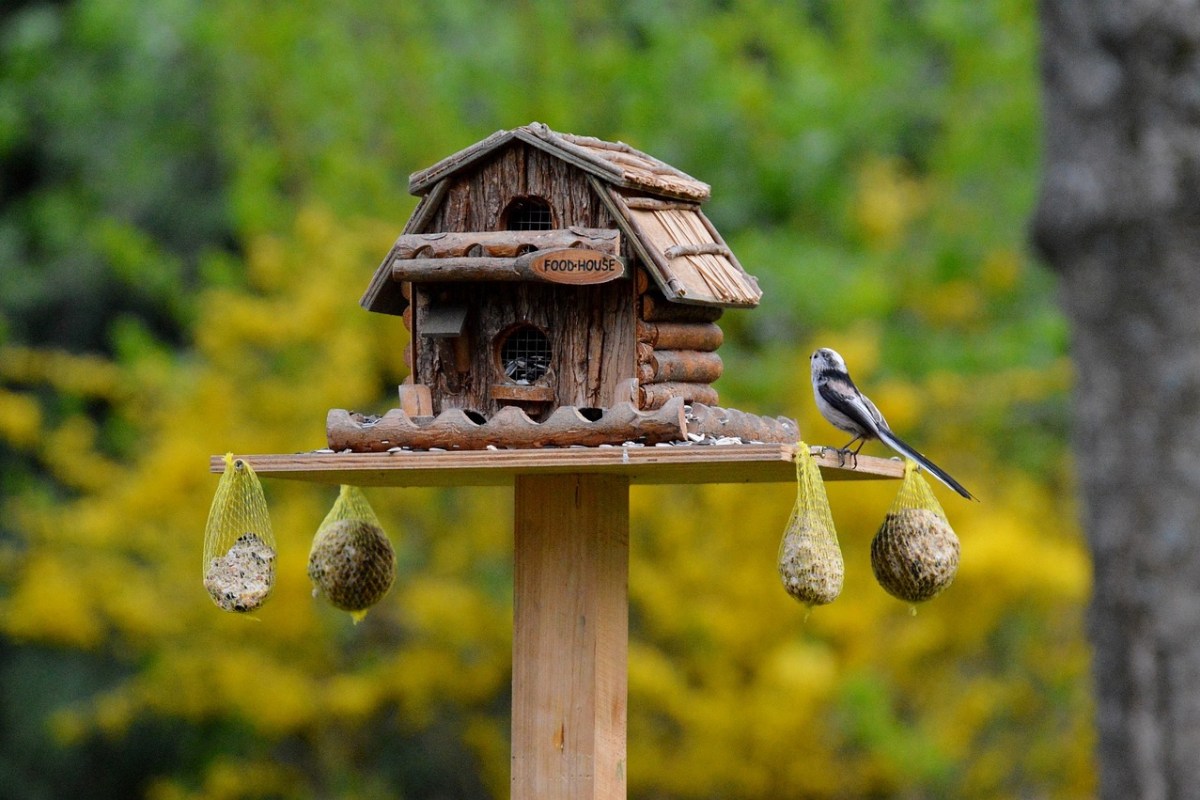
Bird feeder
Mix it! That is the motto for all bird fans who want as varied a crowd of visitors as possible at their feeder. But which bird likes what at the laid table?
Soft food or grains: the preferences of the birds
"Not all of them peck at the same thing," says Eva Goris, press spokeswoman for the Deutsche Wildtier Stiftung. Only those who know their guests' preferences will have a full house and can occasionally treat more unusual visitors too. "Ornithologists distinguish between soft-food lovers and grain crackers," explains Goris. "It is best to put together the bird menu yourself." A good mix of fruit, nuts and grains, as well as dried insects (available from specialist shops), attracts a variety of bird species.
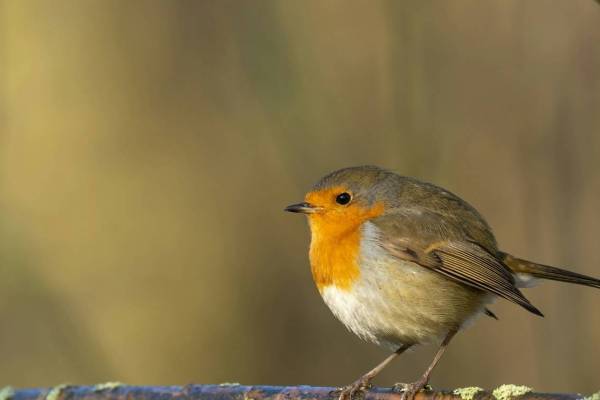
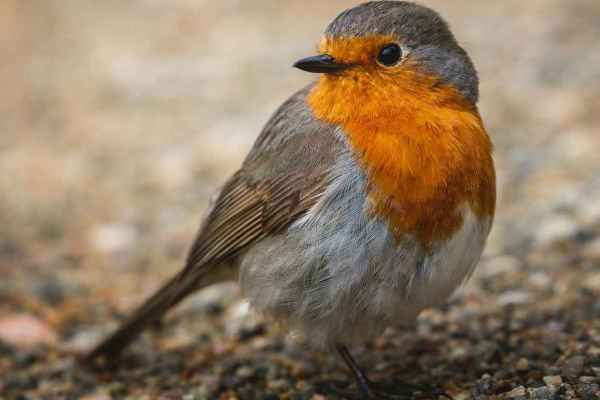
Blackbirds, thrushes, wrens, starlings, dunnocks and robins are pure soft-food eaters. They normally look for their food on the ground. Coarse grain feed is of no use to them. In return, they arrive in no time when ripe apples and pears, raisins, oat flakes, or dried berries of elder, hawthorn, rowan or privet are served up. Oat flakes soaked in oil are real home cooking for them!
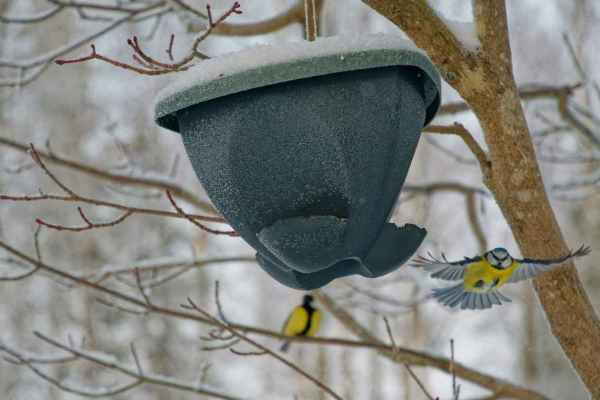
Tits, woodpeckers and nuthatches are the flexible ones among the soft-food eaters: in winter they switch to a diet of grains. When they cannot find insects, they also peck at sunflower seeds, hemp or poppy seeds.
Grain eaters: chaffinch, sparrow and co.
Chaffinches, greenfinches, sparrows, bullfinches, siskins and yellowhammers can be recognised by their beaks, and you can see at once what their favourite food is: the beaks are short and compact, ideal for cracking grains. If the grain stall is well stocked, black sunflower seeds, finely chopped hazelnuts, hemp seeds, walnuts and beechnuts must not be missing. On the chef's recommendation, seed heads of millet, poppy and linseed are also served.
What must not go into their beaks
Stale bread, white bread and salted leftovers do not belong in the bird feeder. Bread contains nothing healthy for birds and swells up in their stomachs. Spices can kill a songbird even in small quantities. Otherwise, the following applies: clean the feeding station regularly with hot water and place the little house somewhere safe from cats and birds of prey. Anyone who feeds birds in cold weather should top up regularly, because their visitors come to rely on it.
Why feeding silos are better than open feeding houses, when a break makes sense and what to do about sick birds can be found in the article Feeding birds properly: what helps and what harms in winter. Whether feeding in summer is also worthwhile is examined in the article Year-round feeding for garden birds.
Do you have a tip, a source or a correction for this article? Write to us.
Seen something yourself?
A driven hunt next to a hiking trail, a shot fired near houses, a trap in the forest or an injured wild animal: report it to the Recreational Hunter Radar. We check every tip-off and treat your details confidentially.
More on the subject of recreational hunting: In our dossiers on recreational hunting gather fact-checks, analyses and background reports. The scientific evidence is presented in the overview Studies on the Effects of Recreational Hunting.
The position of IG Wild beim Wild: IG Wild beim Wild rejects recreational hunting. Our model is the canton of Geneva, which has managed without recreational hunting since 1974: without hunting seasons, without hunting dogs, without driven hunts, without high seats, without the animal cruelty and crime that go hand in hand with hunting season elsewhere. What has worked there for over fifty years disproves every position paper by JagdSchweiz. An association that bases its policy on claims it refutes in its own documents is not a professional organisation, but a factory for misinformation.
Support our work
With your donation you help protect animals and give their voice a hearing.
Donate now →