Renewable Energy in Europe: Who Is Leading?
In 2021, 21.8 percent of EU energy came from renewable sources. This is a slight decline compared to 2020.

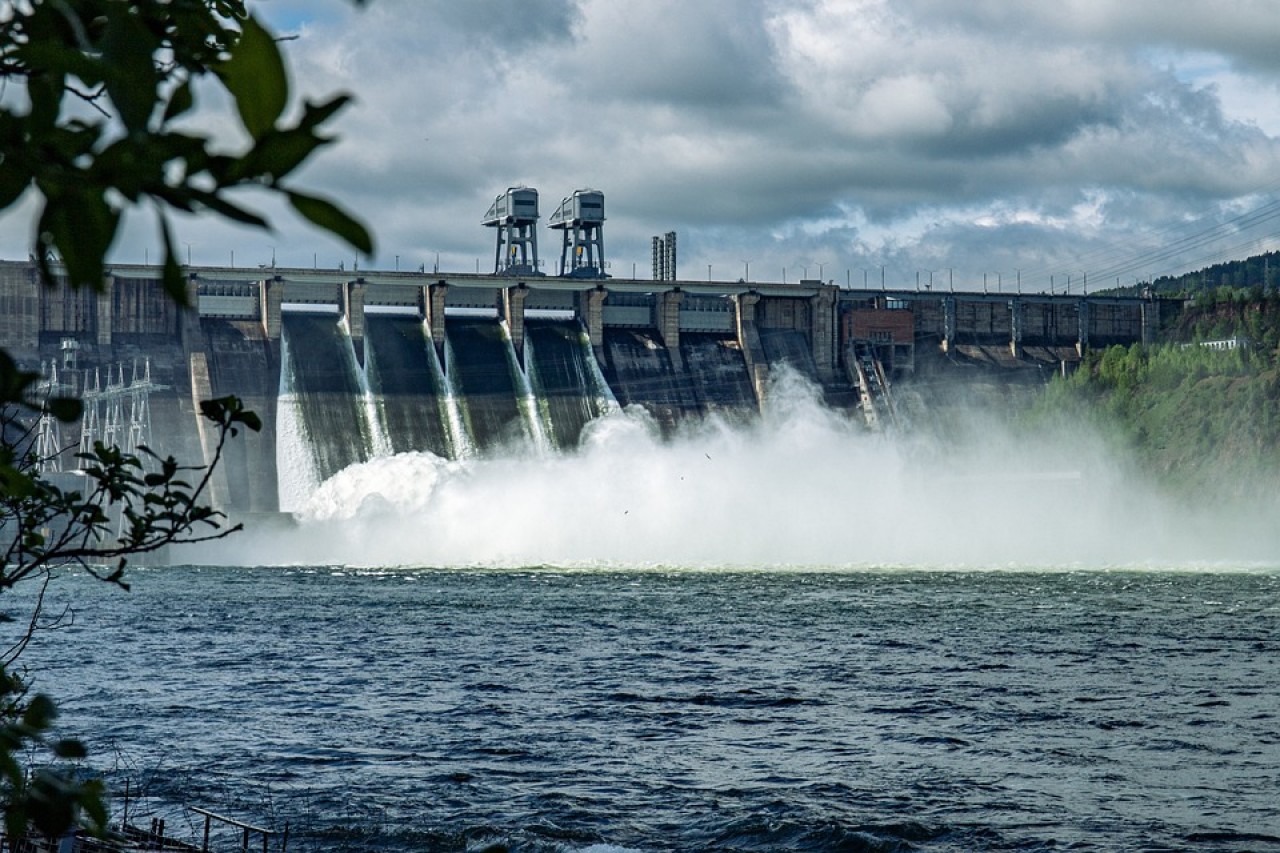
More than one fifth of the energy consumed in the European Union in 2021 came from renewable sources, as new data shows.
According to Eurostat, solar and wind energy as well as other “green” sources contributed 21.8 percent to the EU’s total energy consumption.
Last month, the International Energy Agency announced that the world will generate as much renewable energy in the next five years as it has in the last 20 years.
“The global energy crisis has propelled renewables into an extraordinary new phase of even faster growth, as countries seek to capitalise on the energy security benefits,” explains Fatih Birol, Executive Director of the IEA.
Sweden Tops the List
Sweden also leads the list of EU countries with the highest share of renewable energy in 2021. The Nordic country sourced almost two thirds (63 percent) of its energy from renewable sources. Finland ranks second (43 percent), followed by Latvia in third place (42 percent).
Of all European countries, Iceland sources the largest share of its energy from renewables (around 86 percent), followed by Norway (76 percent).
Which EU Countries Are Falling Behind?
The lowest shares of renewable energy were recorded in Luxembourg (11.7 percent), Malta (12.2 percent), the Netherlands (12.3 percent), Ireland (12.5 percent) and Belgium (13 percent).
There is still a long way to go before the EU reaches its renewable energy target, currently set at 40 percent by 2030. More on the topic Environment and Nature Conservation as well as Climate Change.
| You can help all animals and our planet with compassion. Choose kindness on your plate and in your glass. Go vegan. |
More on the subject of recreational hunting: What the research says about this is shown by Hunting fact-checked: the state of research.
The position of IG Wild beim Wild: IG Wild beim Wild rejects recreational hunting. Our model is the canton of Geneva, which has managed without recreational hunting since 1974: without hunting seasons, without hunting dogs, without driven hunts, without high seats, without the animal cruelty and crime that go hand in hand with hunting season elsewhere. What has worked there for over fifty years disproves every position paper by JagdSchweiz. An association that bases its policy on claims it refutes in its own documents is not a professional organisation, but a factory for misinformation.