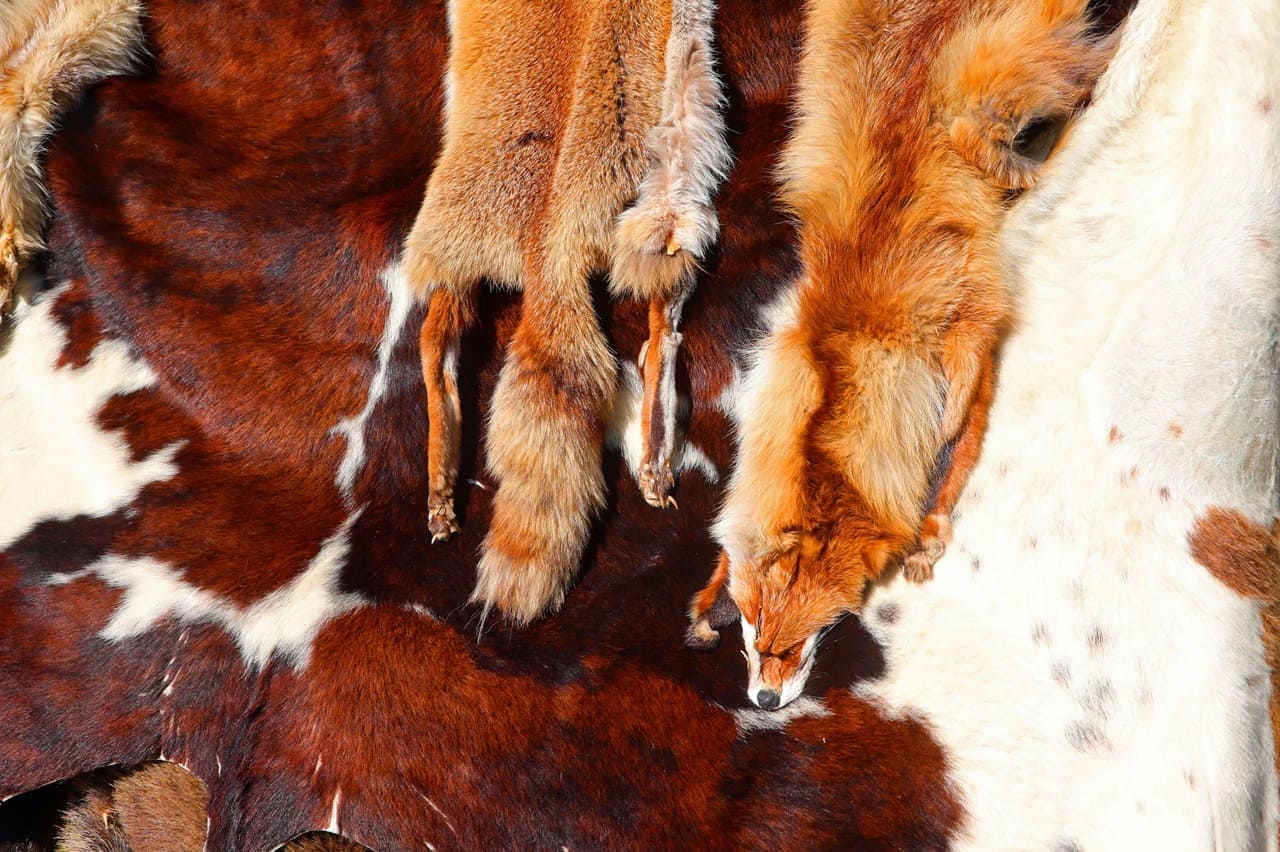
Shocking footage has revealed the grim reality of life for minks on a fur farm in Latvia, with animals being beaten, trampled, and dying from cruel injuries.
On the farm in Latvia, which houses nearly 100’000 animals at peak season, vast rows of cages filled with minks are visible.
Animal welfare activists recorded the footage in early 2020 during the breeding season at Latvia's largest farm, when selected male and female minks were crowded together in the hope that they would produce offspring.
But the process often ends with females being beaten to death by their partners or left with infections that condemn them to a slow and painful end.
Those that become pregnant and give birth are separated from their young, who live for only eight months before being gassed — provided they do not die of disease in the meantime or are beaten to death by workers.
The carcasses are then skinned and the fur sold to the fashion industry. Switzerland is one of several countries that import fur from Latvia every year.
As long as Switzerland provides a market for cruel fur, these animals will continue to suffer.
Carl Sonnthal IG Wild beim Wild
The footage was recorded by an undercover investigator from the Animal Freedom Association (Dzīvnieku brīvības).
Fur from animals kept, hunted, or killed under cruel conditions arrives in Switzerland by the tonne. Despite various initiatives from politicians and the public, the Federal Council hides behind the justification that international agreements make a ban impossible.And this despite a legal opinion showing that a ban would be perfectly compatible with international obligations.Equally, by rejecting an import ban on seal products, it has demonstrated that it places the fear of trade sanctions above animal welfare.
The IG Wild beim Wild hopes that this footage sends a clear message to the Federal Council that Switzerland cannot act with such obscene cruelty and must close its borders to such products of torture.
More on the subject of recreational hunting: In the dossier The Role and Criticism of Recreational Hunters we shed light on the training, power and self-image of recreational hunters. What the research says about this is shown by Hunting fact-checked: the state of research.
The position of IG Wild beim Wild: IG Wild beim Wild rejects recreational hunting. Our model is the canton of Geneva, which has managed without recreational hunting since 1974: without hunting seasons, without hunting dogs, without driven hunts, without high seats, without the animal cruelty and crime that go hand in hand with hunting season elsewhere. What has worked there for over fifty years disproves every position paper by JagdSchweiz. An association that bases its policy on claims it refutes in its own documents is not a professional organisation, but a factory for misinformation.