When the wolf is limited, but recreational hunting grows
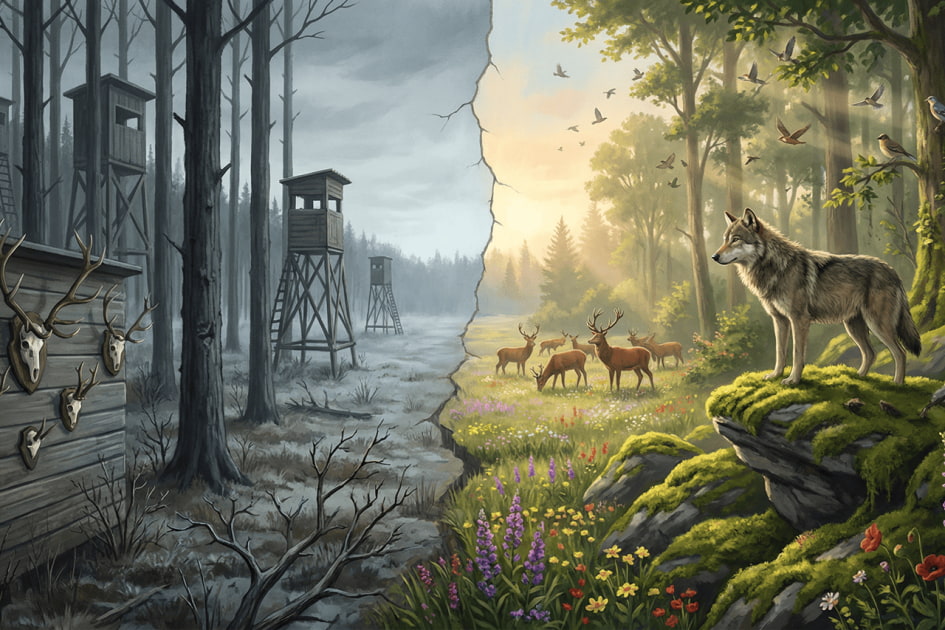
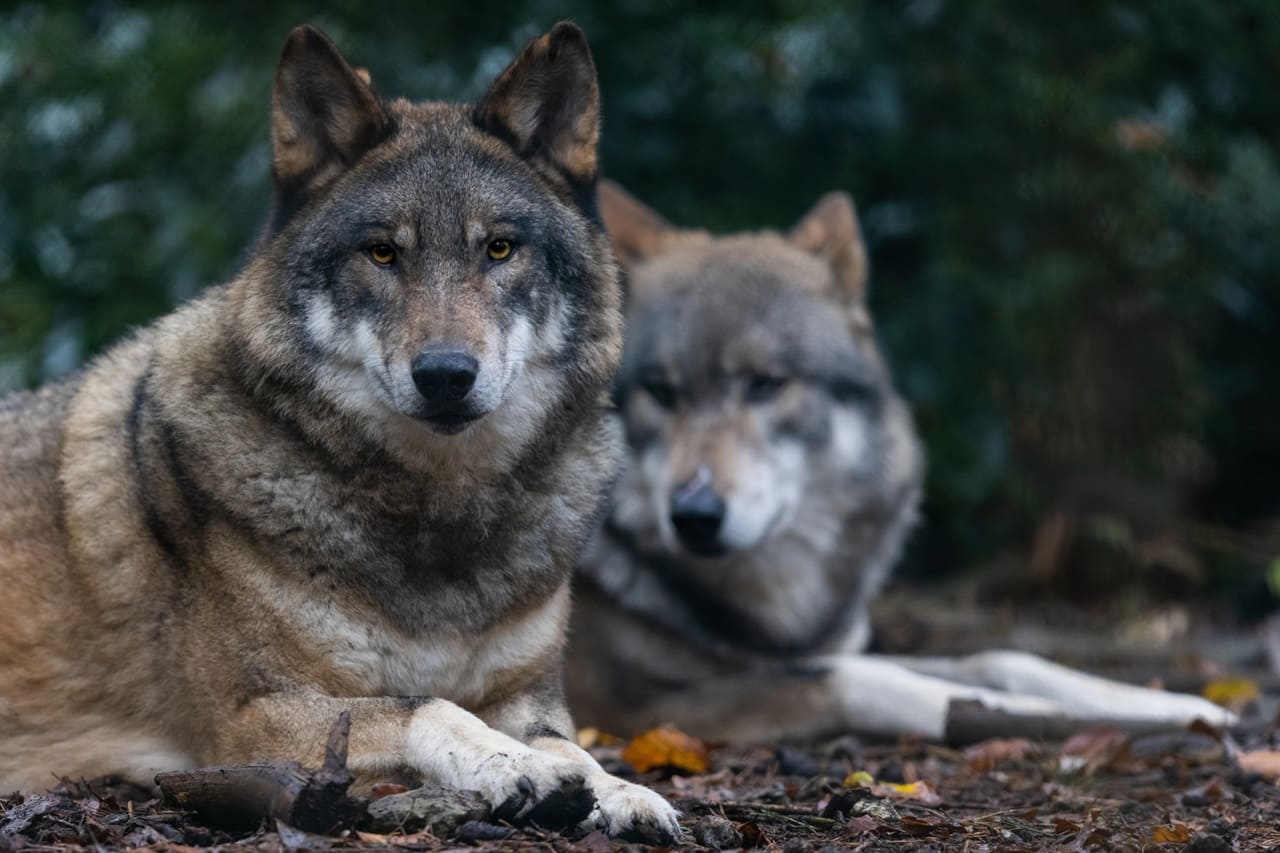
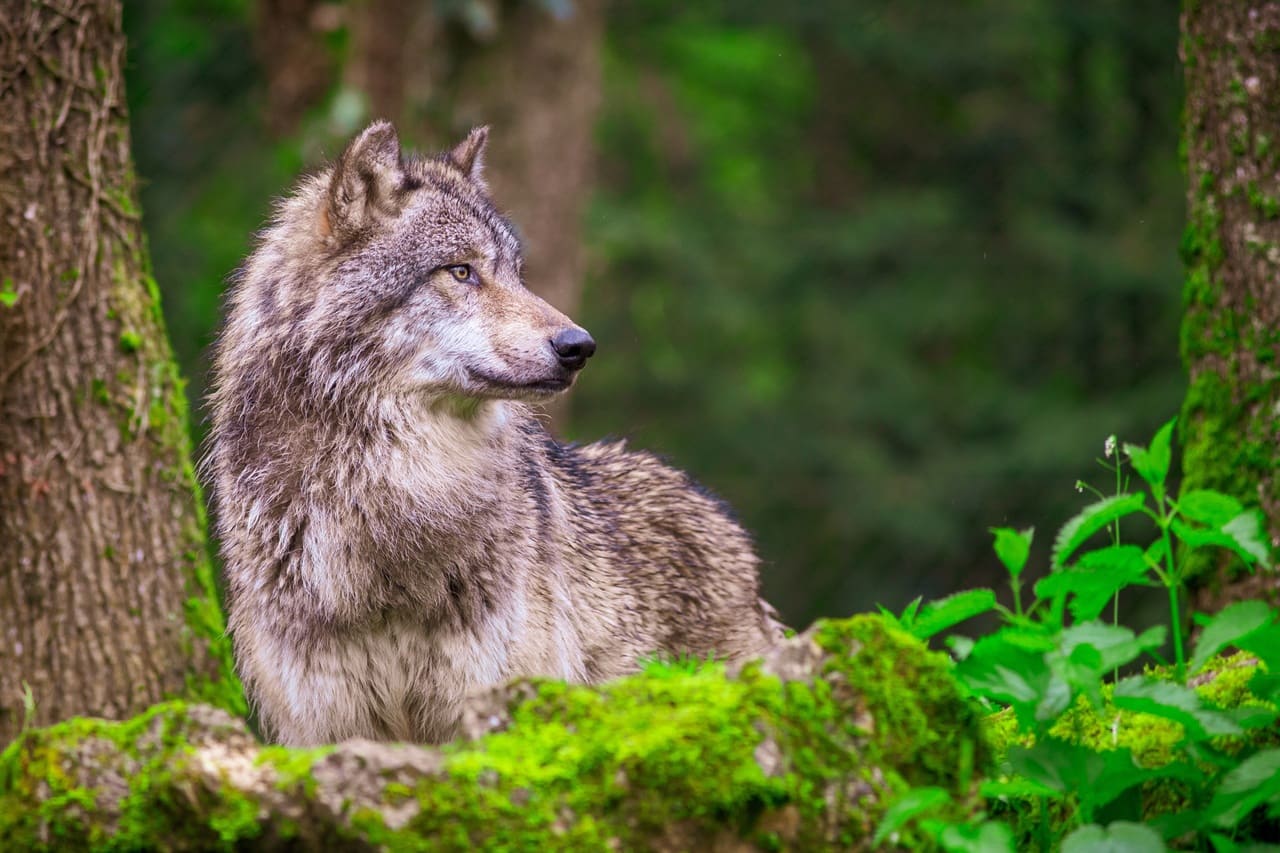
In Germany, alleged upper limits for wildlife have been discussed for years. The wolf in particular stands at the center of a political campaign that frames it as a problem, burden and danger. At the same time, another factor grows almost limitlessly without comparable ecological debate: the number of hobby hunters. This asymmetry is no coincidence. It is politically constructed, legally secured and medially stabilized.

The wolf was downgraded within the EU from «strictly protected» to «protected».
The formal starting point was the adaptation of the Bern Convention, which came into force on 7 March 2025. This was shortly followed by decisions from the European Parliament and Council of the European Union to amend the Habitats Directive. This reclassification is publicly sold as a pragmatic solution. In reality, it primarily means one thing: more political room for manoeuvre for removals, culls and symbolic capacity for action against vocal interest groups.
What is systematically concealed in this process: Even before the reclassification, there was no fixed numerical upper limit for wolves. Nature conservation law operates with the concept of favourable conservation status, not with arbitrary numbers. The now-decided downgrading does not replace this protection principle with science, but with administrative logic. The wolf becomes moveable, available, regulatable.
The situation is quite different with recreational hunting itself. In Germany, there is no legal upper limit for hunting licence holders. Anyone who passes the examination, is deemed reliable and provides insurance receives a hunting licence. The often-cited 42 percent increase refers to around three decades. Currently, just under half a million hunting licences exist. This number can continue to grow. Ecologically, socially and from a security policy perspective, it is hardly problematised.
Here lies the real scandal. While wolves are constantly discussed in terms of limitation, recreational hunting as a human disturbance factor remains virtually unregulated. Yet the ecological effect is clear: More hobby hunters means more hunting pressure. More presence in forests, more driven hunts, more dogs, more nocturnal activity, more gunshots. Stress for wild animals increases, refuge areas shrink, sensitive periods such as breeding season or winter rest are systematically undermined.
The frequently asked question 'How many hobby hunters can a biotope tolerate?' is deliberately wrongly posed. A biotope cannot tolerate arbitrary disturbance. The decisive factor is not the absolute number of hunting licences, but the intensity of hunting practice. Precisely there, any real limitation is lacking. Hunting licences function as admission tickets to a system of hunting grounds, hunting guests and joint hunts. With increasing numbers, pressure rises to fulfil shooting quotas and create hunting opportunities.
The pattern is not limited to Germany
In Switzerland, this double standard even becomes institutionally visible when, parallel to criticism of hunting pressure, political decisions relieve or normalise hunting structures. An example is reduced lease rates and newly tendered hunting grounds, which show how the canton treats recreational hunting as a use to be promoted. This is politically relevant because it does not conceive the forest as a protected space, but as a managed resource for a hobby practice.
Politically, this imbalance is supported by narrating recreational hunting as an ordering force. It is not considered an environmental burden, but as an instrument for 'regulation'. Thus it exempts itself from precisely that logic which is permanently employed for wolves. Wild animals are counted, hobby hunters are not limited. Wild animals should adapt, recreational hunting may grow.
This double standard is not a marginal problem. It shapes legislation, enforcement and public debate. Those who express hunting criticism quickly come under pressure, as cases also show where civil society protest is criminalised or delegitimised. An example of this is the handling of criticism of animal cruelty and hunting practices at municipal level.
Institutional proximity between hunting authorities, marketing and interest politics is also not an isolated case:
Anyone seriously discussing nature conservation must name this asymmetry. It is inconsistent to demand flexibility for wolves and for recreational hunting to refuse any limitation. An ecological debate that only counts animals but excludes human use is not science, but power politics.
The central question is therefore not whether there needs to be an upper limit for wolves. The question is why there is no ecological upper limit for hunting pressure. As long as this question remains unanswered, any discussion about species protection is incomplete and politically distorted.
Disfigurement of the landscape through hunting stands
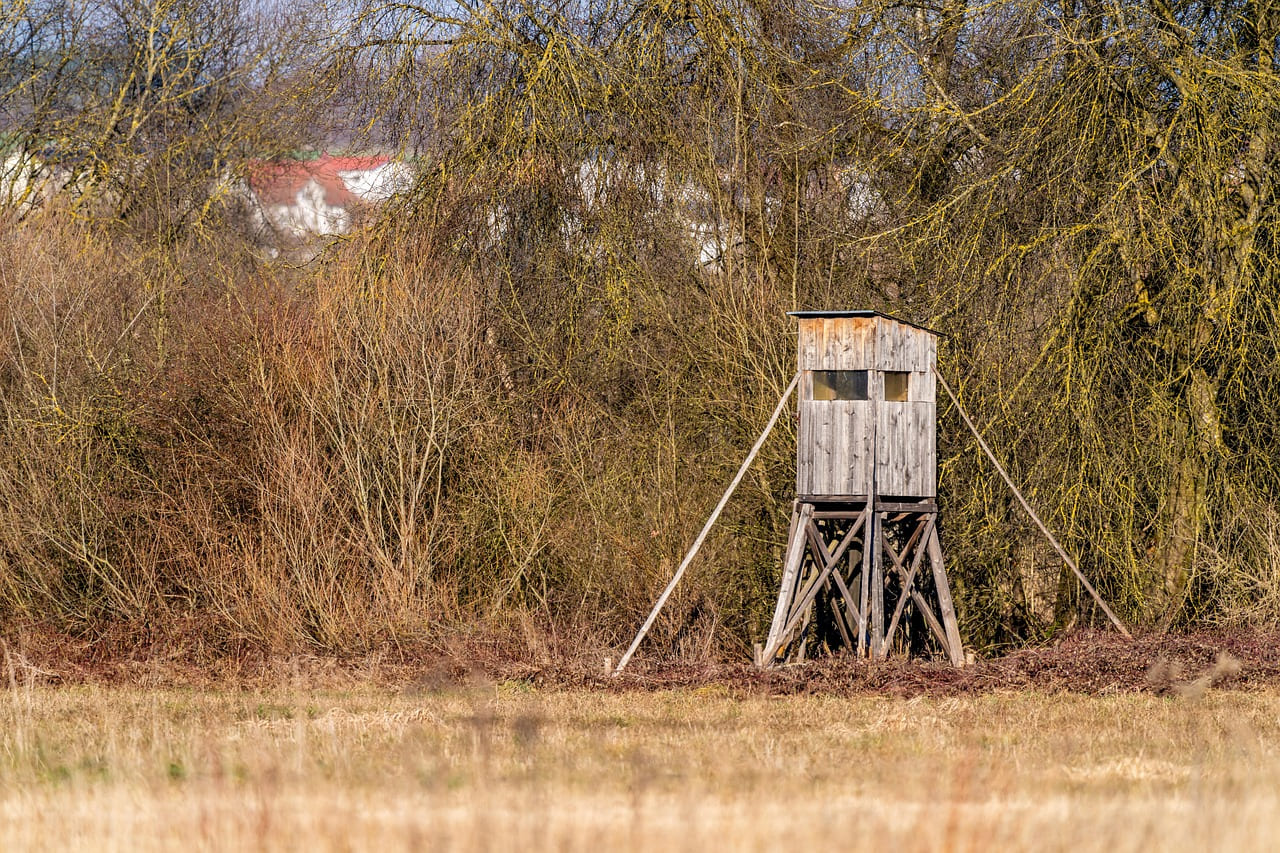
Hunting stands are built to give hobby hunters elevated sight and a stationary position. They often remain in the same forest section for years to decades and are thus permanent interventions in the landscape. For many people, they are not only disturbing elements in nature. They appear like monuments of an old order from which broader parts of society have long since distanced themselves.
In critical contexts, this visual impression is linked with historical memories that extend far beyond mere hunting practice. Many citizens perceive the numerous, mostly wooden hunting stands as images from a past that they associate with authoritarian structures. This is often openly discussed in social media discussions or in letters to the editor. A pertinent analysis can be found on wildbeimwild.com under the title «Shooting platforms in tradition».
This perception is not a trivial affect. It shows how strongly hunting practices impact everyday imagery and how difficult it is for many people to identify with symbols like hunting stands. For more and more forest users, walkers and families in green spaces, the landscape is not perceived as free living space, but as a space segmented by human use. Lines, edges and sitting platforms mark territory boundaries, «shooting axes» and hunting zones. This is not natural forest aesthetics, but an anthropogenic intervention.
The ecological dimension is equally clear: hunting stands can create clearings, alter plant structures, disturb bird nesting sites and act as barriers for shy animals. Many wild animals avoid areas with high human presence, especially with stationary infrastructure like hunting stands. This leads to fragmented retreat spaces that deprive particularly sensitive species of habitat. The alleged «nature conservation through recreational hunting» thus loses any ecological foundation.
When hunting stands become ever denser, driven hunts more frequent and retreat spaces ever smaller, then this is not only a problem for wild animals. Anyone who talks about upper limits must also talk about infrastructure and hunting density. It is a landscape problem for all of us.
Support our work
With your donation you help protect animals and give their voice a hearing.
Donate now →