USA: Recreational Hunters Organize Hunting Competitions
Undercover investigations by the Humane Society have uncovered a little-noticed but widely criticized culture of wildlife killing contests among recreational hunters in the USA. The investigator visited competition venues in Macedon, New York and Barnegat, New Jersey, and documented how participants hurled the carcasses of coyotes and foxes onto piles, joked about hunting methods for luring wildlife

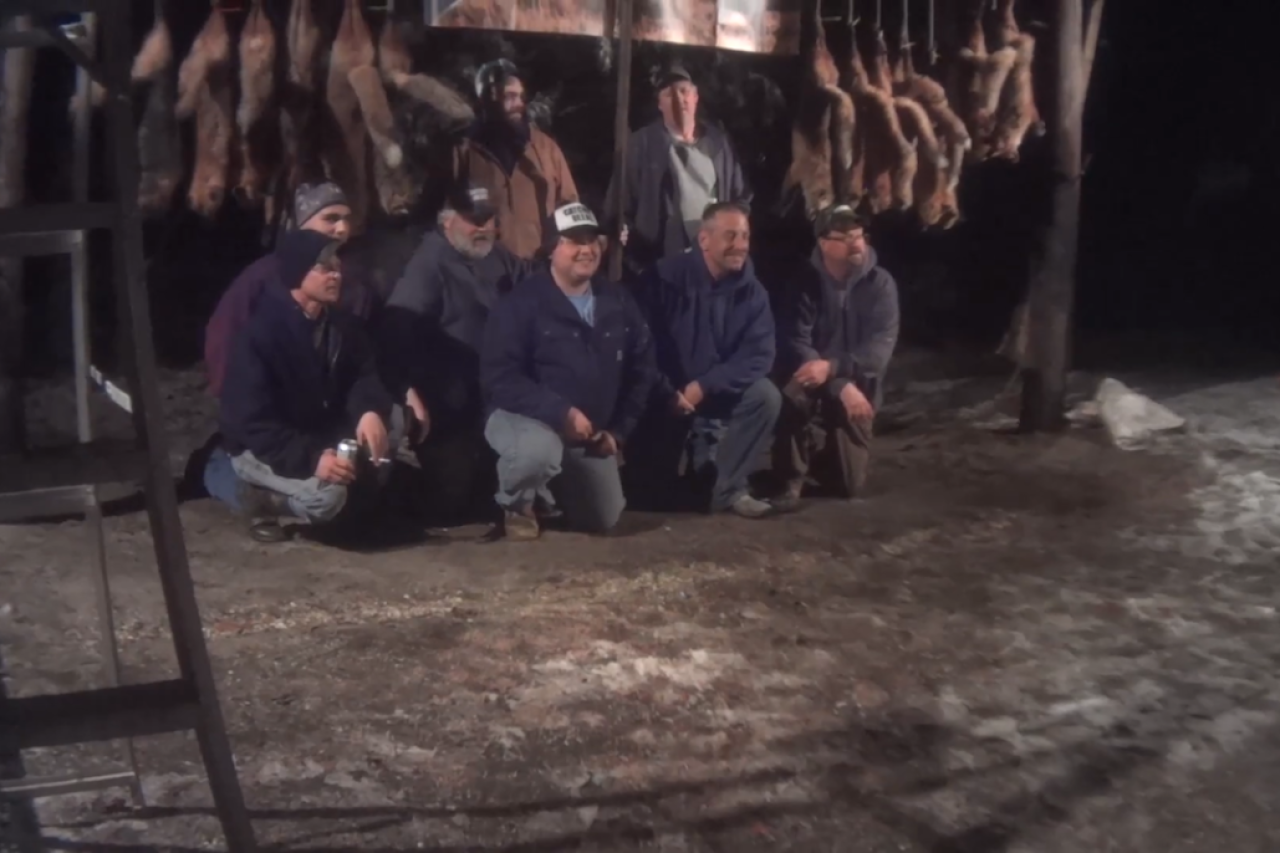
Undercover investigations by the Humane Society have uncovered a little-noticed but widely criticized culture of wildlife killing contests among recreational hunters in the USA. The investigator visited competition venues in Macedon, New York and Barnegat, New Jersey, and documented how participants hurled the carcasses of coyotes and foxes onto piles, joked about hunting methods for wildlife luring and killing, and celebrated at an awards ceremony during an event in New York.
200 Animals Put on Display
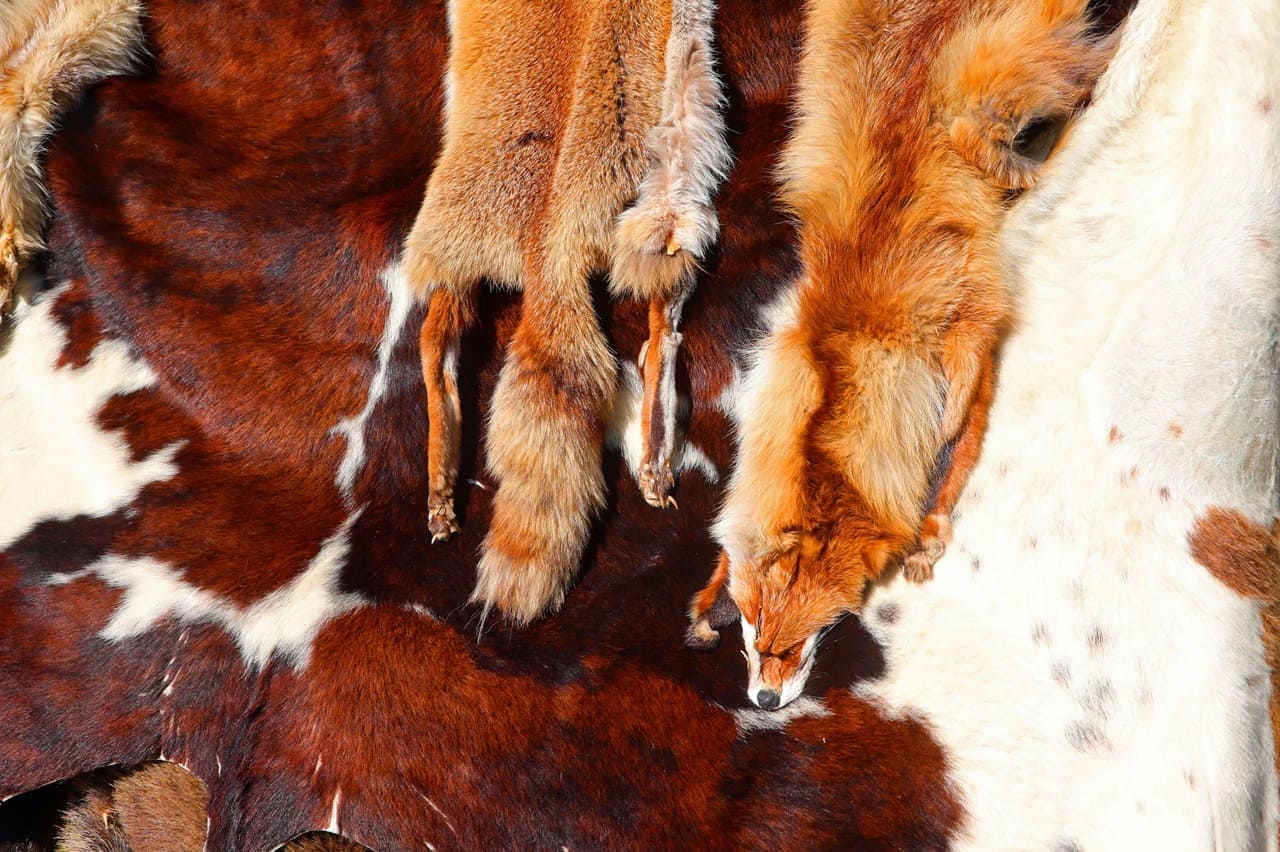
At the New York event, approximately 200 animals were put on display, counted, weighed, and exhibited before spectators — including young children. Participants emphasized that they take part in the event because “it’s just fun.” In these contests, participants competed for cash and prizes for killing the most or the heaviest animals.
New York Assembly Member Deborah Glick and Senator Phil Boyle have now introduced legislation aimed at putting an end to this wasteful and senseless practice by recreational hunters.
“Wildlife killing contests are cruel, pointless, and contrary to the principles of fair chase hunting and science-based wildlife management,” said Brian Shapiro, New York State Director of the Humane Society of the United States. “The gruesome images and the callous attitude of the participants in the video underscore that there is no place for these wildlife killings in modern society.”
Several US States Ban Killing Contests
California, Colorado, and Maryland have in recent years already passed laws or regulations to limit the types of killing contests that take place in their states. In March, the Albuquerque City Council unanimously passed a resolution condemning coyote killing contests and calling for a ban across New Mexico.
«There is no place for inhumane and cruel killing contests in a civilized society. These activities are presented by some as entertainment, but they breed a callous disrespect for humanity's relationship with nature and disrupt the ecosystem,» said Assemblywoman Deborah Glick (D-Manhattan).
No science supports the claims
Native carnivores such as coyote, fox, and bobcat are most frequently massacred in wildlife killing contests, but other species such as crow, wild boar, squirrel, rattlesnake, raccoon, rabbit, porcupine, badger, skunk, and even mountain lion and wolf can also end up in the crosshairs.
By eliminating species that also eat deer or turkey, contest organizers claim there will be more deer and turkeys, but no science supports this claim. On the contrary, these native carnivores provide important ecological services by controlling populations of other species, promoting crop and timber growth, and supporting biodiversity More on the animal welfare problem of recreational hunting.
More on the subject of recreational hunting: In the dossier The Role and Criticism of Recreational Hunters we shed light on the training, power and self-image of recreational hunters. The scientific evidence is presented in the overview Studies on the Effects of Recreational Hunting.
The position of IG Wild beim Wild: IG Wild beim Wild rejects recreational hunting. Our model is the canton of Geneva, which has managed without recreational hunting since 1974: without hunting seasons, without hunting dogs, without driven hunts, without high seats, without the animal cruelty and crime that go hand in hand with hunting season elsewhere. What has worked there for over fifty years disproves every position paper by JagdSchweiz. An association that bases its policy on claims it refutes in its own documents is not a professional organisation, but a factory for misinformation.