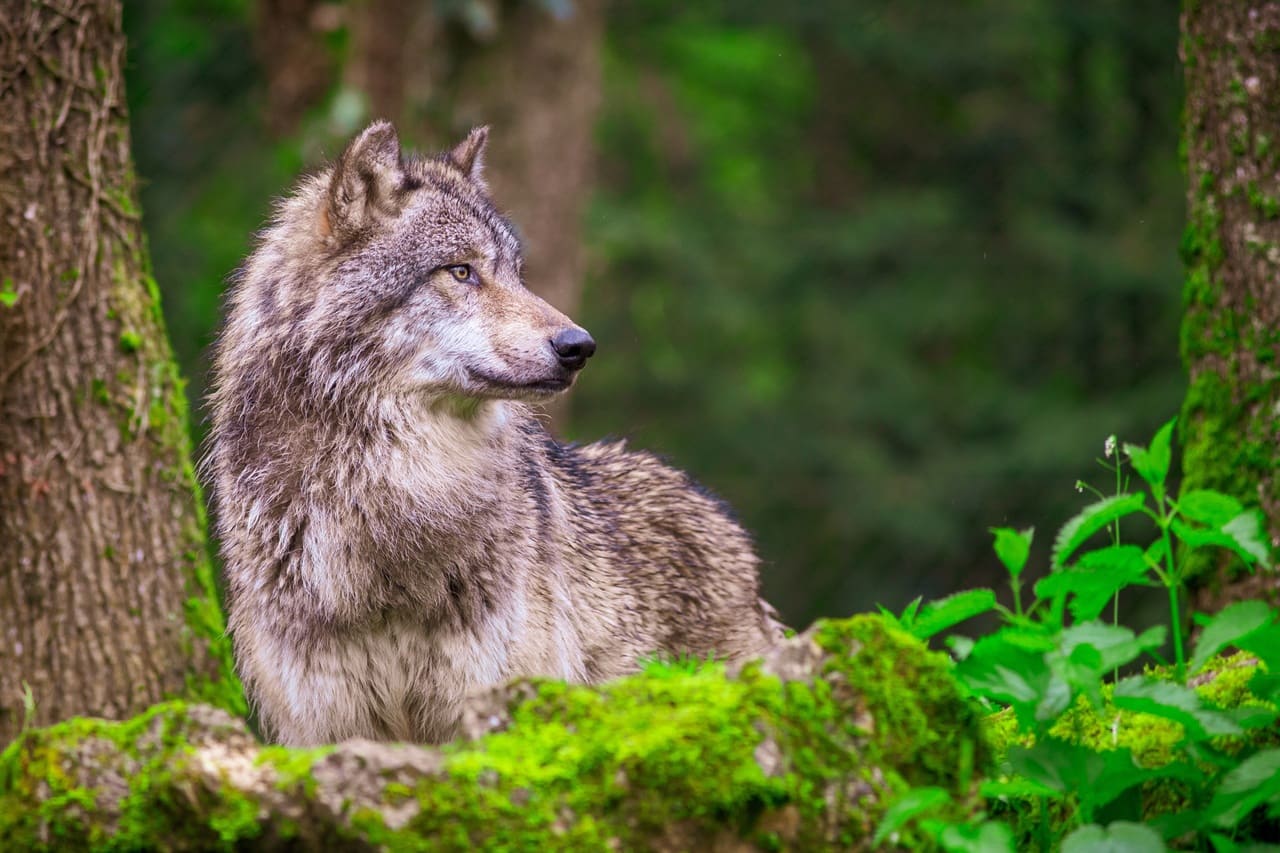
USA: Federal Judge Orders Greater Protection for Gray Wolves
Federal judge rules that the US Fish and Wildlife Service violated the law by denying protection for gray wolves in the northern Rocky Mountains.

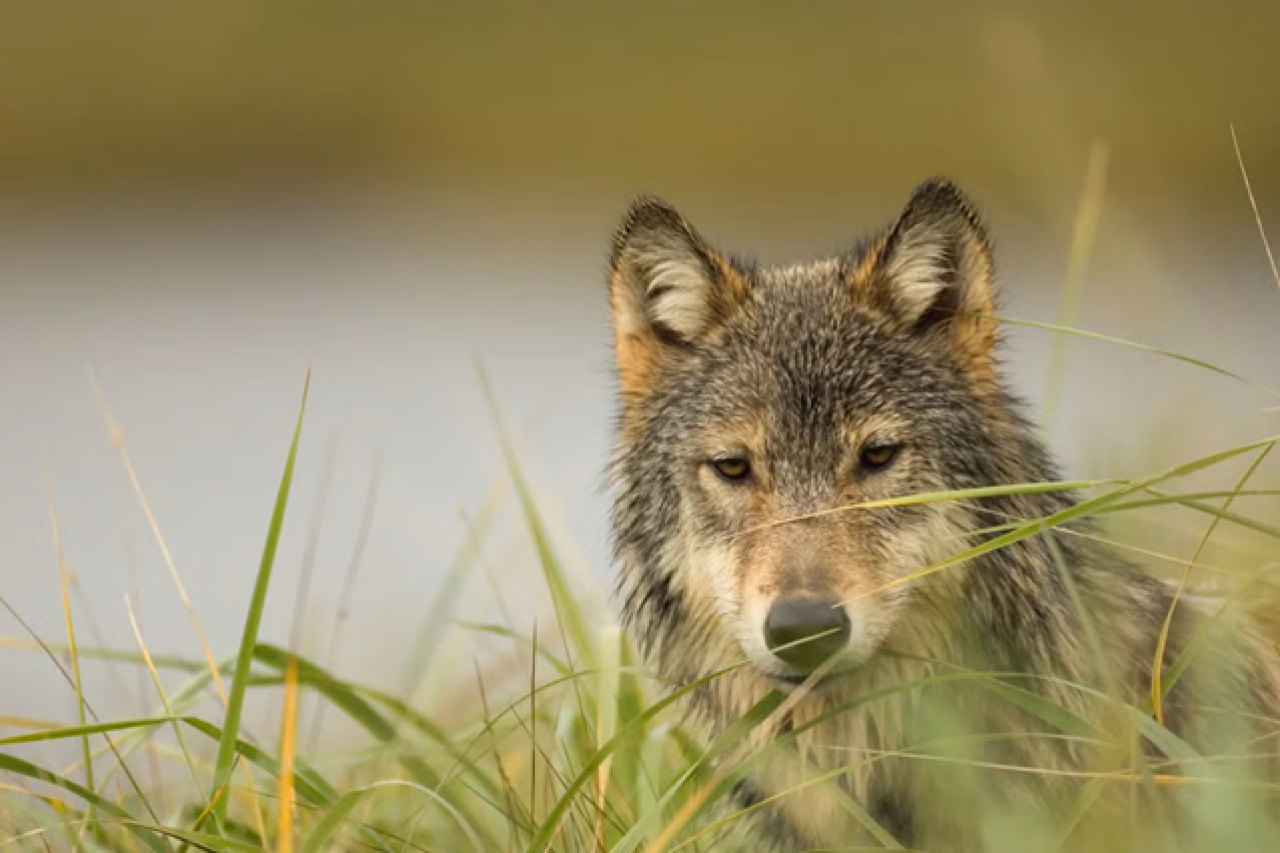
Conservation organizations say the ruling brings hope for recovery, despite aggressive state measures to kill gray wolves.
A federal judge in Montana ruled that the US Fish and Wildlife Service violated the law last year when it rejected a petition to protect gray wolves in the northern Rocky Mountains under the Endangered Species Act. The agency must now reconsider whether to grant protection to wolves living in Idaho, Montana and Wyoming, as well as parts of Washington, Oregon and Utah.
The ruling is the response to a lawsuit filed last year by four conservation and animal protection organizations that had drafted and submitted the petition in 2021.
Wolves are highly intelligent, social animals that play an irreplaceable role in the ecosystems in which they live, said Kitty Block, President and CEO of Humane World for Animals. Today’s ruling gives hope that we can restore protection for wolves in the northern Rocky Mountains, but only if the federal government fulfills its duty under the Endangered Species Act. These animals deserve protection and must not be abandoned while they struggle to return to the landscapes in which they once roamed freely.
"The recovery of the gray wolf population is at a crossroads in the western United States, and it should not again become the target of killing campaigns that brought it to the brink of extinction," said Sara Amundson, President of the Humane World Action Fund. "The attempts by the U.S. Fish and Wildlife Service to deny these animals the urgently needed federal protection betray not only the letter of the law, but also countless Americans who are committed to protecting wolves."
Ruling condemns federal government
Today's ruling by Senior District Judge Donald Molloy condemned the government for ignoring the potential for wolf reintroduction in Colorado and the rest of the southern Rocky Mountains, including much of Utah, northern New Mexico, and northern Arizona.
Molloy found that the Fish and Wildlife Service is required under the Endangered Species Act to consider the southern Rocky Mountains and other parts of the wolf's historic range. He also concluded that the agency unlawfully disregarded the potential significance of the wolf's nascent return to Colorado through natural dispersal and historical reintroductions when denying the petition.
"This court ruling sparks hope for a genuine recovery of the wolf population throughout the West," said Collette Adkins, Director of Carnivore Conservation at the Center for Biological Diversity. "The judge reasoned that the Fish and Wildlife Service's unambitious view of recovery is at odds with the Endangered Species Act. Recovery requires a return to places like the vast southern Rocky Mountains, where wolves once lived and can return, as long as they are protected under the Endangered Species Act."
Growing state-level threats to wolves
The conservation organizations' petition under the Endangered Species Act was filed amid growing hostility toward wolves in several northern Rocky Mountain states:
Recent changes to state law in Idaho authorize the state to hire private contractors to kill wolves, allow hunters to purchase an unlimited number of wolf hunting licenses, and permit hunters to kill wolves by pursuing them with dogs and off-road vehicles. Together with Montana, the state offers bounties as “reimbursement” for wolves killed.
Recent changes to Montana state law allow wolves to be killed with bait and snares, and recently proposed regulations would allow a single hunter to kill 15 wolves and trap an additional 15, should they be finally enacted.
In nearly all of Wyoming, wolves are classified as “predators” and may be killed without a permit in almost any manner and at any time. Hunters in Wyoming have killed several wolves just a few miles from the Colorado border, where wolves are finally returning to the state through dispersal and reintroduction efforts.
“Wolf population recovery depends on responsible management by the states, and Idaho, Montana, and Wyoming have demonstrated that they are wholly unfit to manage this species,” said Nick Gevock, campaign strategist for the Sierra Club Northern Rockies. “Judge Molloy’s ruling means that the U.S. Fish and Wildlife Service must now start over to determine whether federal-level management is necessary to ensure the survival of wolves and their vital role in the ecosystem.”
Today’s ruling overturns the Fish and Wildlife Service’s denial of the petition, and the agency must now reconsider its response. The agency has 60 days to appeal the decision.
The plaintiffs in the litigation are represented by attorneys from the Center for Biological Diversity and the animal law division of Humane World for Animals.