Floods and drought in European cities on the rise
In recent years, the frequency and intensity of floods and drought periods in European cities have increased at an alarming rate.

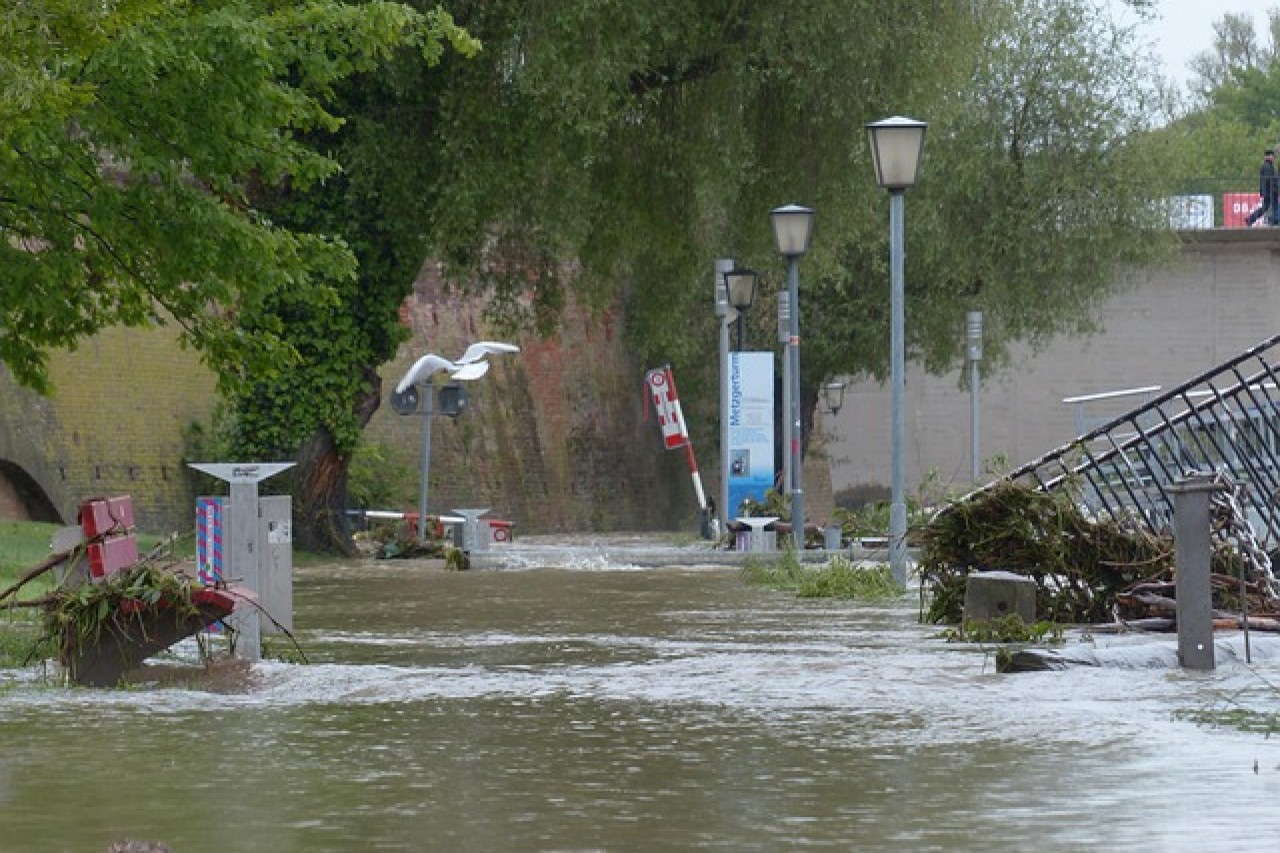
These extreme weather events are not only the result of natural occurrences, but also the consequence of climate change, human activities and urban development.
Researchers have found that 90% of all climate disasters are attributable to too much or too little water. They are raising the alarm that water supply systems need to be brought up to date.
The study, conducted by WaterAid in collaboration with scientists from the University of Bristol and the University of Cardiff, shows that drought is widespread across all European cities. These include the Spanish capital Madrid, which ranks second on the list of 49 drought-affected cities, and the British capital London, which occupies 44th place on the list.
Causes of the increase in floods
Urban flooding frequently occurs when intense rainfall meets already saturated soils. Global warming is leading to more frequent and more severe rainfall events, putting sewage systems and infrastructure to the test. The increase in sealed surfaces in urban areas reduces the natural capacity to absorb rainwater, and many rivers are not optimally developed for flood discharge, leading to flooding during heavy rain. More on the climate crisis.
Causes of the increase in drought
At the same time, drought periods, which are often associated with water scarcity, are increasingly being observed in European cities as well. All European cities examined showed tendencies toward drought over the past 42 years, according to the report. London, Paris, Berlin, Stockholm and Istanbul could consequently experience more frequent and longer-lasting drought periods. Barcelona and Madrid are experiencing a particularly sharp shift from rainfall to drought. According to the report, European cities such as Barcelona, Berlin and Paris face a higher risk than cities in North America and Australia. The reason for this lies in the outdated water and waste infrastructure of the European continent.
Prolonged heat waves intensify evaporation and reduce soil moisture, which depletes water resources more rapidly. At the same time, cities are facing increasing water demand, and climate change is influencing precipitation distribution, causing certain regions to receive less rainfall.
Impacts on urban areas
The consequences of flooding and drought are felt throughout Europe. Floods can cause massive destruction, leading to high costs for infrastructure repair. Changes in natural habitats result in a loss of biodiversity and ecological imbalances. The increase in standing water surfaces promotes the spread of disease vectors, while drought periods endanger drinking water supplies.
Measures to mitigate the risks
To address the growing threat of flooding and drought, European cities must implement more preventive measures. The introduction of green infrastructure such as rainwater management systems and green roofs can help absorb water. Educating the public about the impacts of climate change and sustainable water practices is essential. Cities should also develop emergency plans in order to respond quickly to extreme weather events and minimize the impact on the population.
Combating the consequences of flooding and drought requires a coordinated approach from governments, municipalities and citizens. Only through joint efforts can Europe successfully meet the challenges of climate change. More on environmental and nature conservation.
Further articles
- Wildlife in Switzerland is contaminated with plastic
- Environmental impacts of wind turbines: The dangers of PFAS for wildlife
- Study on the influence of wind turbines on the weather
- Offshore wind farms could pose significant risks to the ecosystem, the economy, and human health
- The effects of wind farms on soil moisture and local climate
- Wind turbines cause exactly what they were supposed to prevent
- Solar module waste: The disposal problem
- The effects of wind turbines on wildlife and the debate around clean energy
- «Two large new nuclear power plants are sufficient for Switzerland»
- Wind power and marine fauna: No harmonious coexistence
- Scandalous secret contracts between wind energy promoters and Bernese municipalities