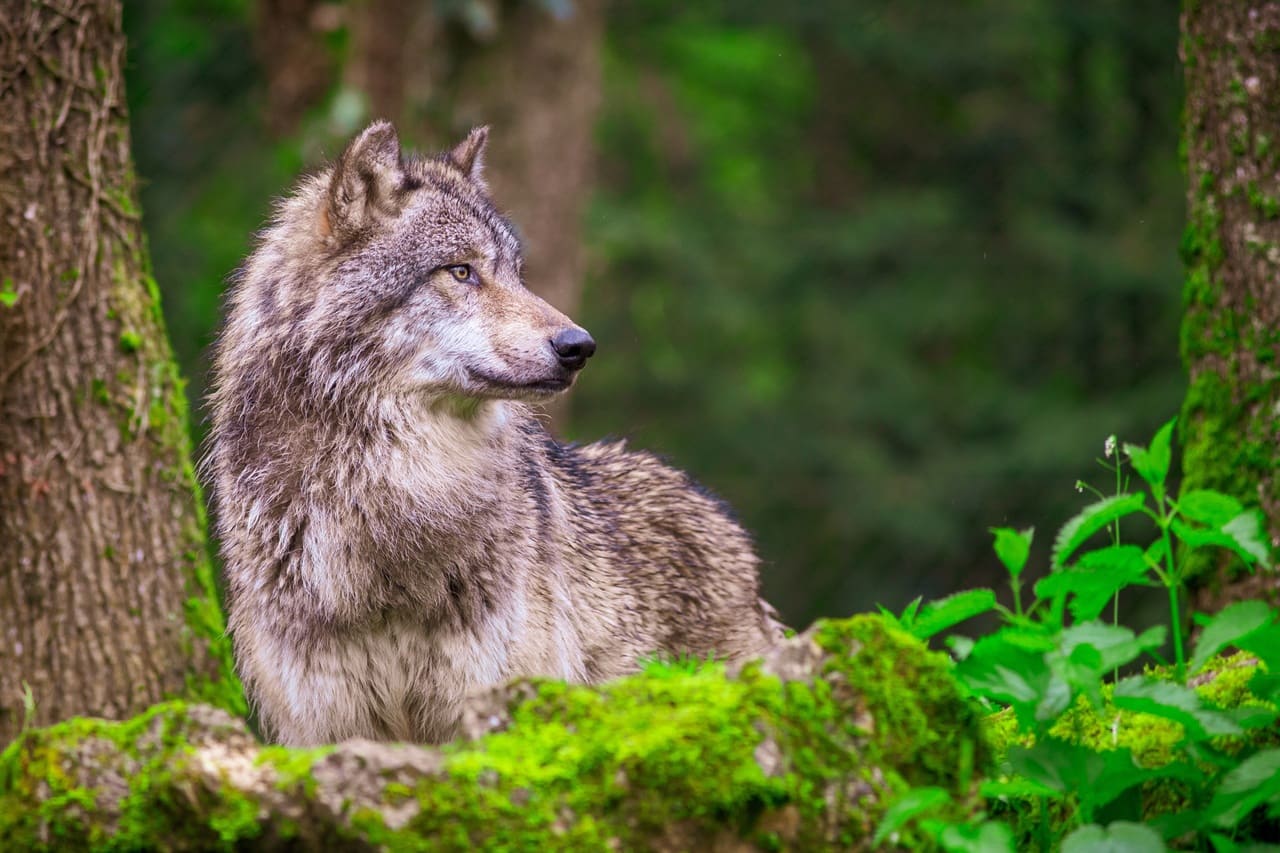
What the Ticino hunting law really reveals
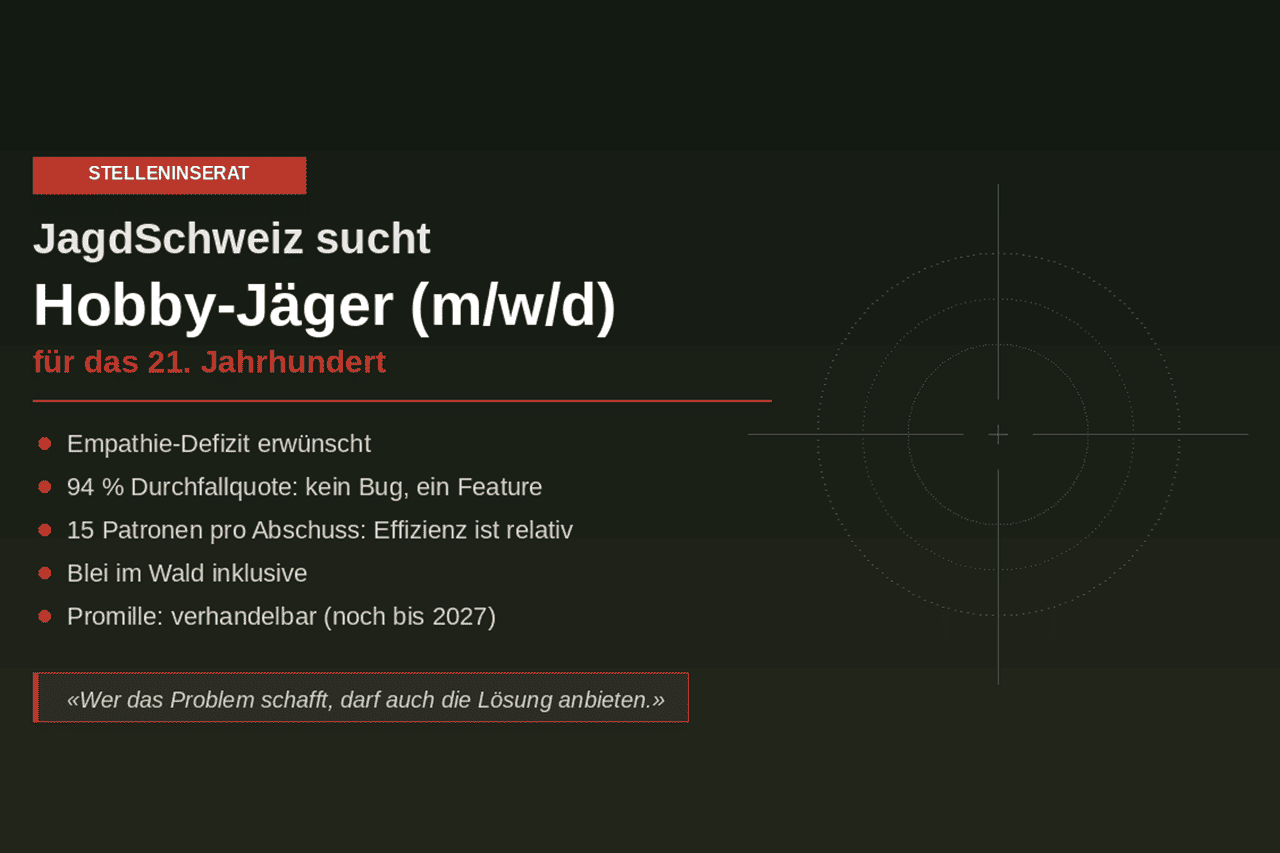
The planned changes to the Ticino hunting law are being sold as a modern step: guest permits for outside hobby hunters and a «flexible» farewell to lead shot. But behind the technocratic language, a fundamental question remains completely ignored: Why is commercial hunting needed at all and why is killing wild animals for fun still defended as «culture»?

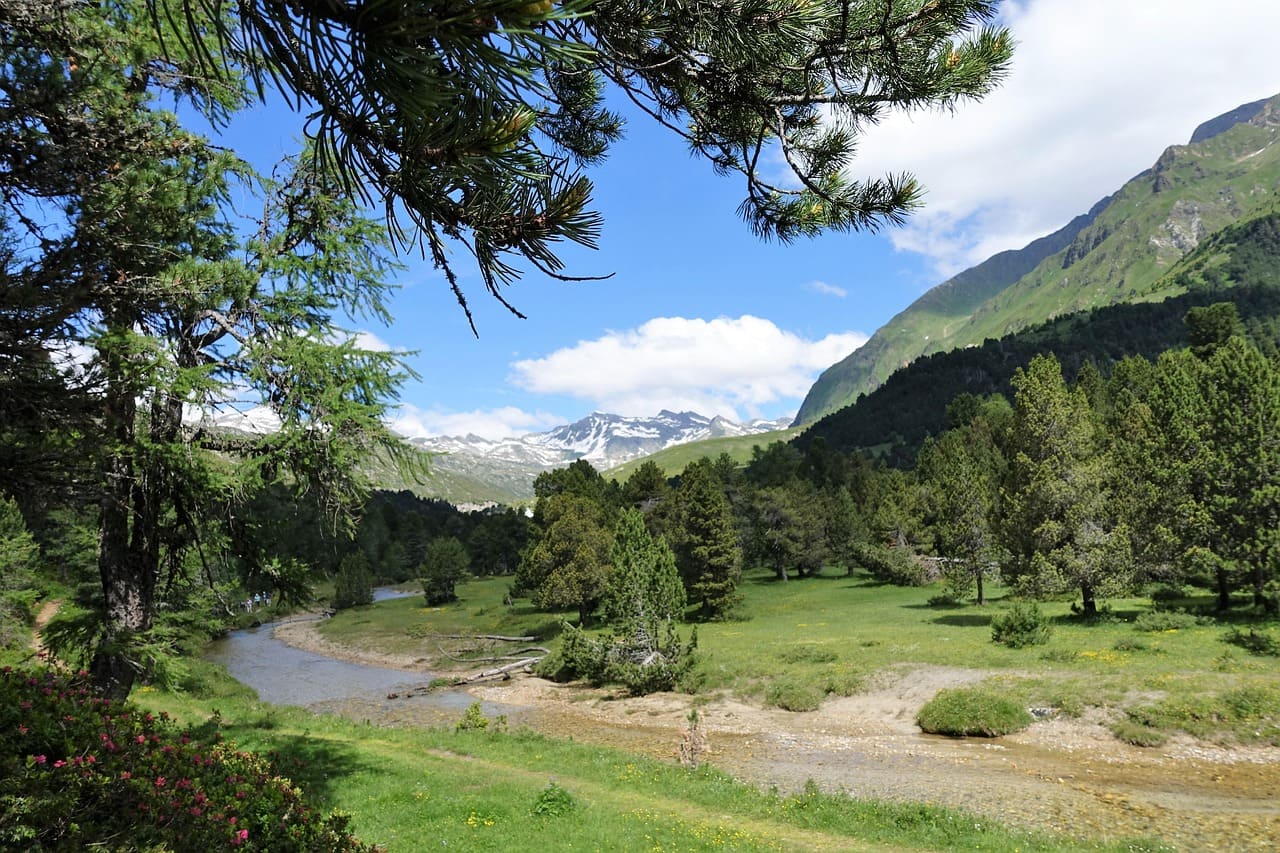
More hobby hunters, more lead, more shots: Ticino is expanding hobby hunting while wildlife has no voice.
A look behind the scenes of a system that calls itself «culture».
In the Ticino Grand Council, an innocuous-sounding legislative amendment is currently being debated: hunting guests from other cantons should be able to more easily obtain temporary permits and engage in recreational hunting in Ticino. At the same time, the commission is grappling with how much longer hobby hunters should be allowed to shoot with toxic lead. A closer look reveals: this is not about animal welfare, not about ecology. It is about the pleasure of a minority at the expense of wildlife.
What is being planned
The idea comes from UDC Grand Councillor Lara Filippini, who submitted a parliamentary initiative in 2024: anyone who has already passed a hunting exam in another canton should be allowed to hunt in Ticino in the future, accompanied by a local hobby hunter, with a temporary guest permit.
This sounds like a technical detail regulation. In reality, it opens Ticino's forests and fields to active hunting tourism. More hobby hunters, more shots, more dead animals, and that in a canton with rich wildlife and sensitive ecosystems.
At the same time, the commission is discussing the phase-out of lead shot. The federal hunting law, which came into force on February 1, 2025, provides: lead-containing bullet ammunition (from caliber 6 mm) is still permitted until the end of 2029, banned from January 1, 2030. Some cantons like Bern go further and ban lead ammunition from 2027. Ticino, however, emphasizes "additional complexities" and insists on the longest possible transitional periods.
What lead does to wildlife
Lead ammunition has been known as an environmental toxin for decades. Shot and bullet fragments remain in soils, waterways and in the flesh of killed animals. Birds of prey such as eagles or kites that feed on animal carcasses ingest lead and die from it. Waterfowl swallow lead shot from the bottom of water bodies and perish agonizingly. Switzerland therefore banned lead shot in wetlands as early as 1998. Almost 30 years have passed since then and yet recreational hunting should still be allowed to work with the environmental toxin until at least 2030 and in some areas even longer.
Who would accept if another leisure industry were allowed to scatter a demonstrably toxic material into the landscape for decades while citing "tradition"?
Low hunting: recreation, not nature conservation
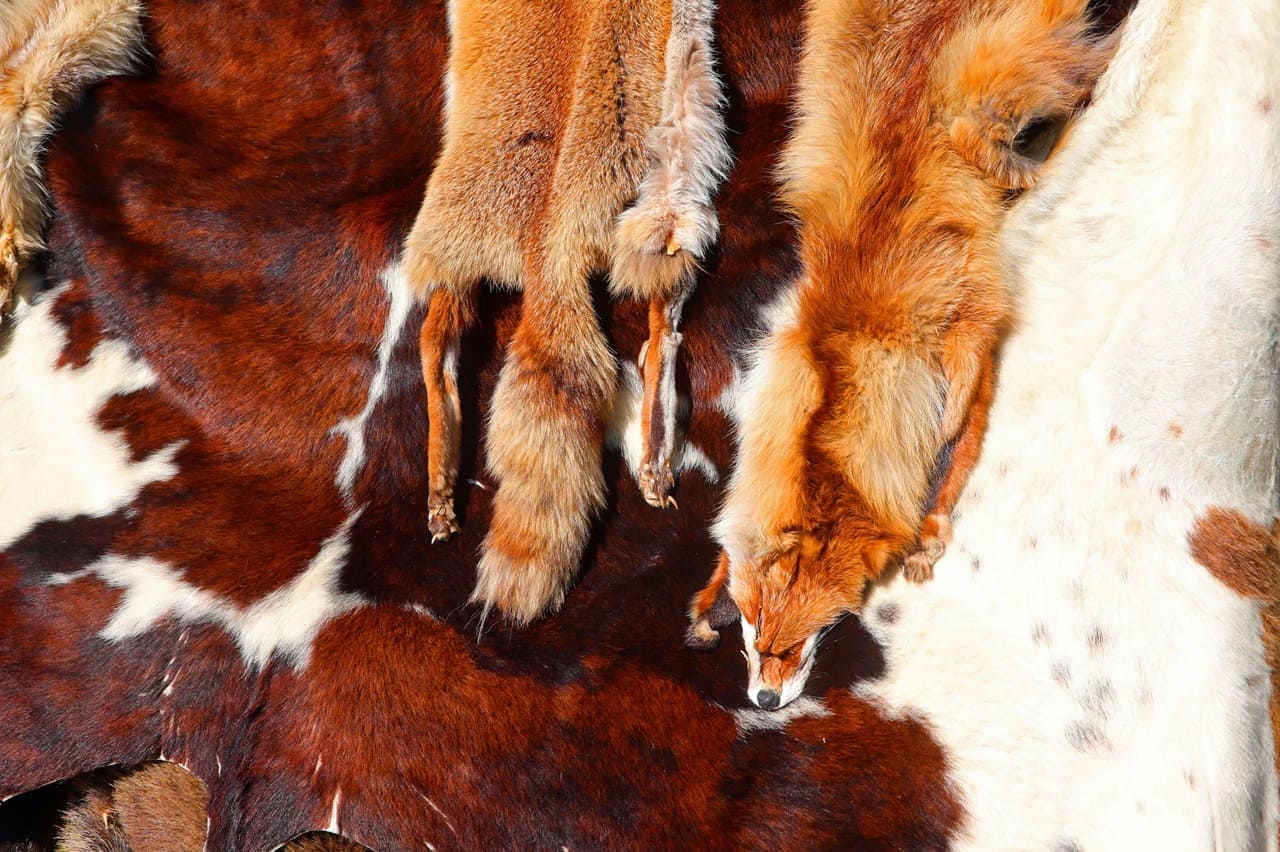
So-called low hunting, i.e. recreational hunting of small game such as hares, foxes, badgers or woodcock, is often described as necessary "wildlife management". But this justification does not hold. Many of these animal species are under considerable pressure from habitat loss, pesticides and climate change. Precisely those animals that are struggling the most should also be hunted so that hobby hunters can have an "experience" on weekends.
Animal welfare organizations and wildlife biologists have been pointing out for years: in densely populated, intensively used landscapes, the wildlife biological basis that would justify hunting is lacking for most small game species. What remains is an animal-torturing hobby, practiced at the expense of animals that have no choice.
"Culture": A concept meant to protect
Hunting associations like to speak of "arte venatoria", recreational hunting as art and cultural heritage. This word has a clear function: it is meant to disarm criticism. Anyone who is against culture is considered narrow-minded.
But culture is not a free pass. Societies have already abandoned many practices that were once considered self-evident, as soon as awareness of the dignity of other living beings has increased. The question is not whether recreational hunting is old. The question is whether killing wildlife for recreational purposes is still ethically justifiable today, at a time when we know that animals feel pain, know fear and have an interest in continuing to live.
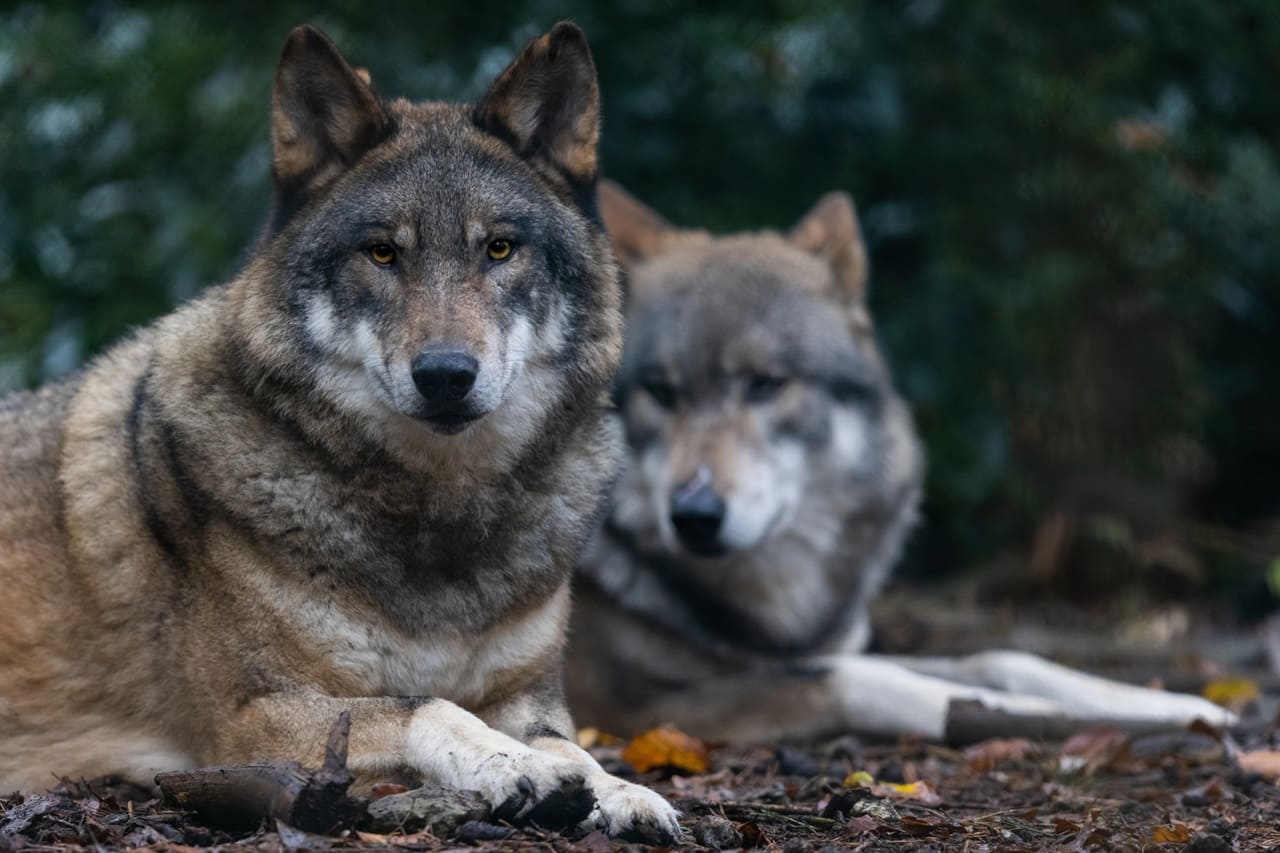
A broad society that loves dogs and cats, demands wolf protection and saves bees, should ask itself this question honestly. Those who want to protect animals can do so: with cameras instead of guns, with habitat improvements instead of shotgun salvos, with respect instead of hunting licenses.
None of today's Central European cultural landscapes arose naturally. They are the result of clearing, river straightening, drainage and permanent agricultural management over centuries. The concept of 'grown landscape' obscures this fact: It suggests a historical naturalness that is simply not ecologically proven.
Ecologically impoverished stabilization systems
Many cultural landscapes only function through constant human intervention: mowing, fertilizing, straightening, draining. The Institute for Social-Ecological Research (ISOE) notes that landscape in many regions has been adapted to human needs over centuries to such an extent that natural ecosystem services have been systematically pushed into the background. The Krefeld Study of 2017 also demonstrated a decline in insect biomass of 76 percent within thirty years, even in designated nature reserves.
What is needed now
Instead of introducing guest licenses and extending transition periods for lead ammunition, Ticino could lead the way: Stop hunting ecologically unjustifiable species, ban lead ammunition immediately and completely instead of only by 2030, designate hunting areas as rest zones for wildlife, direct public funds into habitat protection instead of hunting administration, and seriously conduct the societal dialogue about the future of recreational hunting.
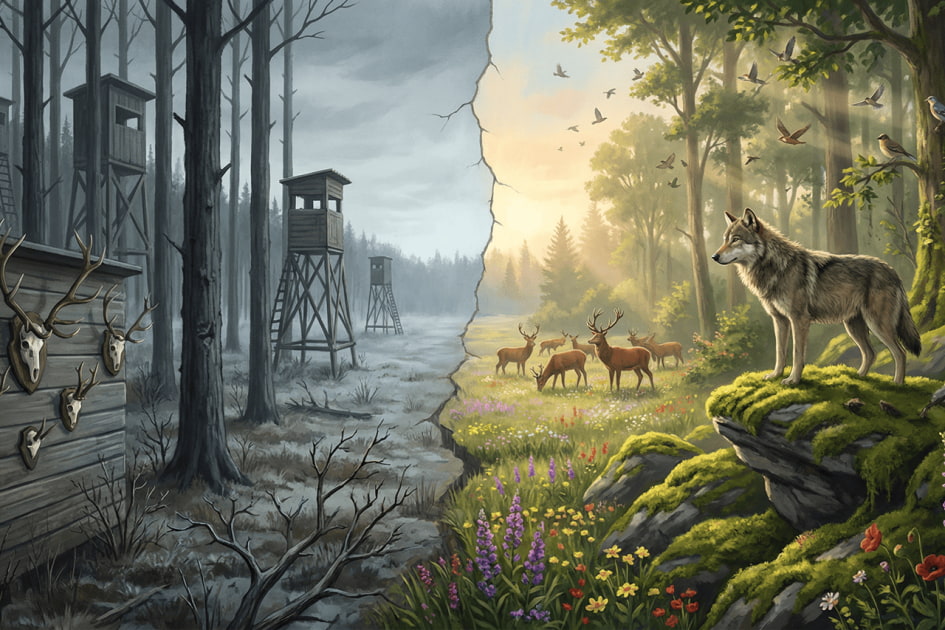
Ticino has a choice: It can set wildlife protection as a priority or continue to manage a recreational culture based on the death of animals.