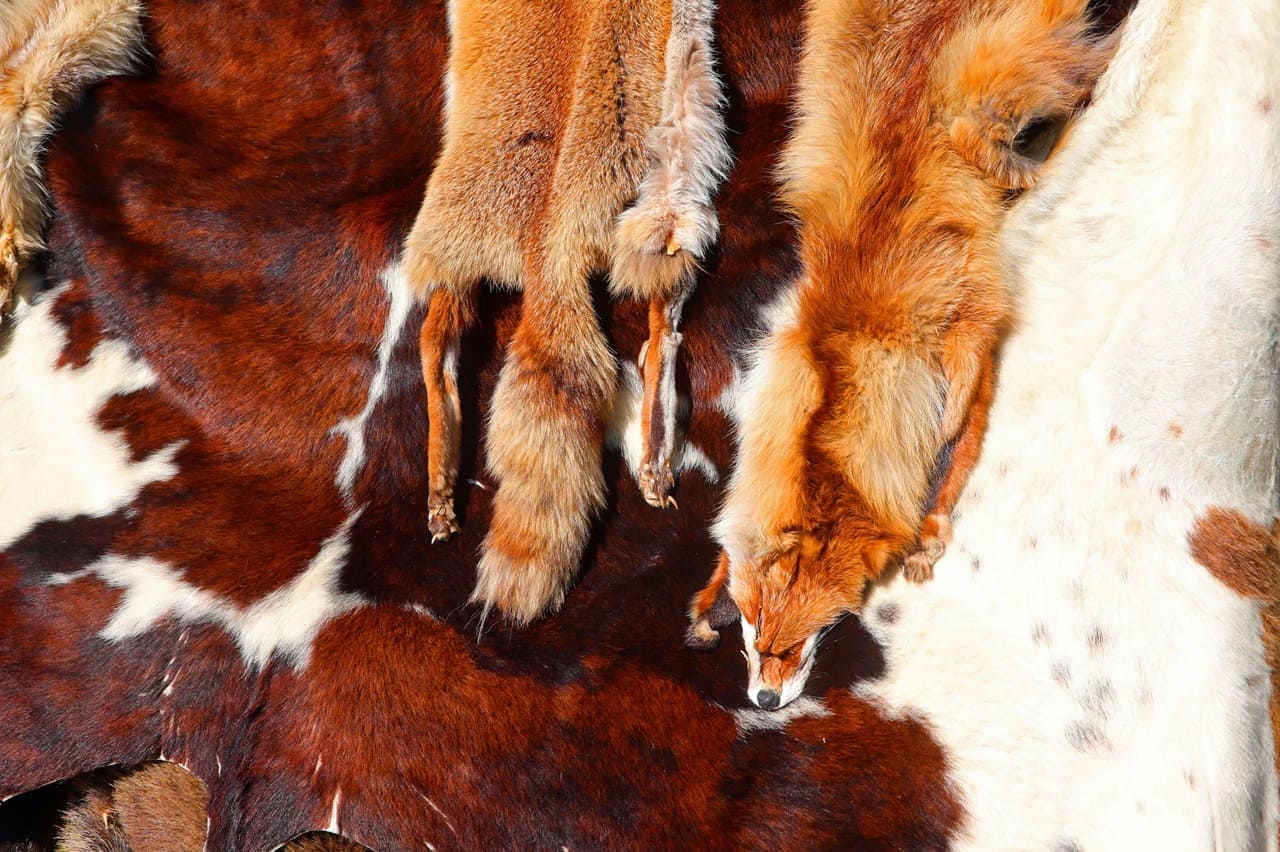
Animal welfare advocates call for a ban on recreational hunting
Animal welfare advocates are calling for a ban on recreational hunting. Hobby hunting is neither sustainable nor necessary for wildlife management.


Since October, the main hunting season has been underway again in Rhineland-Palatinate.
Now animal welfare advocates have launched a petition to tighten hunting legislation. Recreational hunting is to be banned under the proposal. However, professional hunters argue that volunteer hobby hunters are indispensable. Without their support in shooting, wildlife populations — and with them browsing damage in forests — would get out of hand.
Opponents of hunting, however, view hunting as senseless killing and place their trust in nature's self-regulation. Udo Dauermann, for instance, wants to have hunting banned outright on his property near Alsenz.
Rationale
Scepticism towards hunting is also growing continuously across Europe. Even within the EU's environment commissioner's office, it appears that in recent years there has been growing recognition that hunting, practised arbitrarily as a leisure pursuit, causes considerable harm with regard to biodiversity.
Hunting serves no ecological purpose; on the contrary, the populations of endangered huntable species are in continuous decline. Recreational hunting, in all its facets, serves almost exclusively the individual interests of those entitled to hunt, the preservation of traditions, and the pleasure of killing.
Hunting and hunters are part of our nature conservation problems and represent a significant burden on the natural environment. This is also made clear by the fact that hunting law has been shielded from all legislative reforms in the areas of species protection, nature conservation, and animal welfare over recent decades. In doing so, hunting law has definitively withdrawn itself from the public interest.
Even in conflict situations (nature conservation, forest conversion, wildlife diseases, economic damage), recreational hunting is not a solution. This is demonstrated, among other things, by the development of wild boar and raccoon populations in Germany, which have been increasing for decades despite — or precisely because of — intensive hunting. Nature is a dynamic, self-governed system that is fundamentally capable of self-preservation, but also susceptible to disruption.
Where conflicts with wildlife are clearly occurring, management plans should be developed and pursued by the nature conservation authorities on a case-by-case basis. In this context, we consider it absolutely essential that all measures be evaluated with regard to the achievement of their objectives within short timeframes. To date, this has barely taken place with regard to hunting measures.