Thurgau: Eighth roe deer poaching case in 17 months
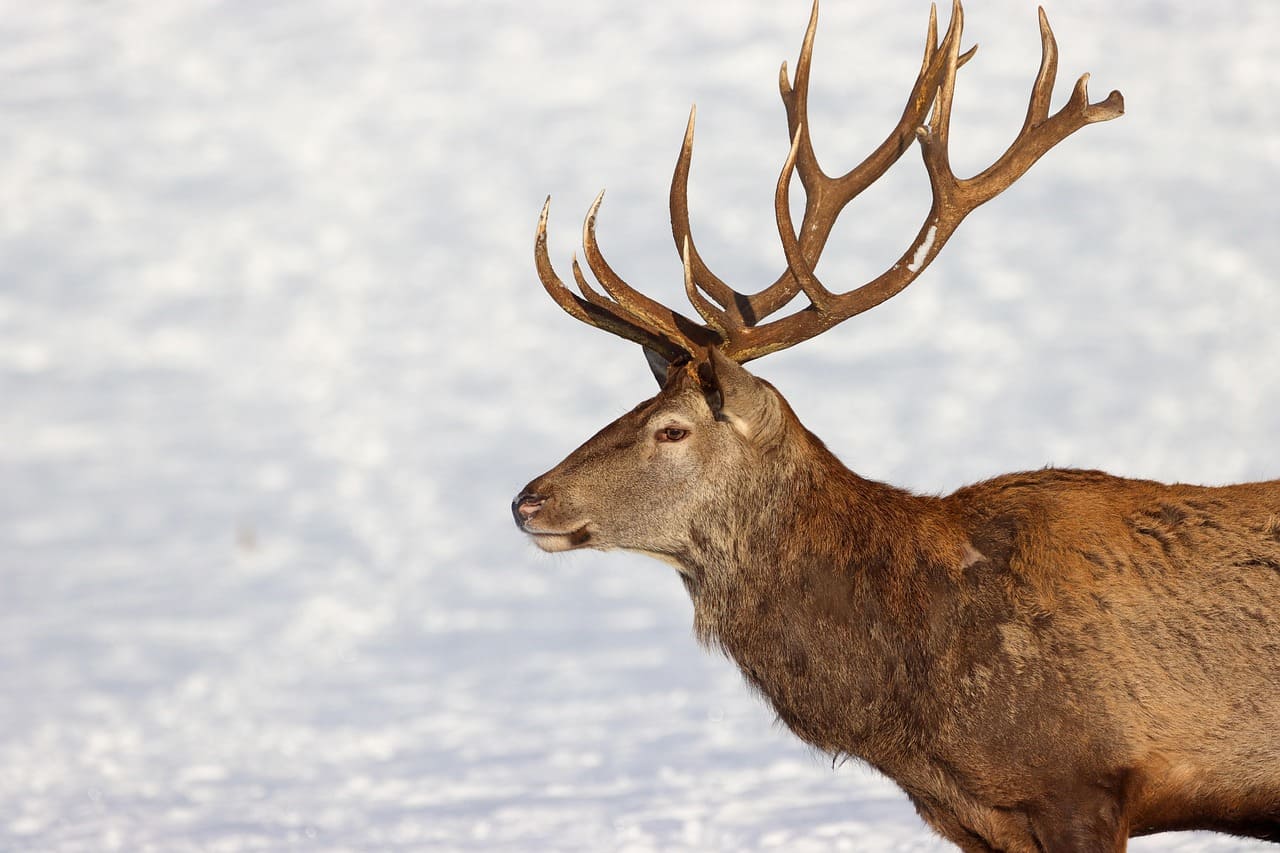
Since January 2025, the Thurgau cantonal police have reported the eighth case of roe deer poaching, most recently an animal that died from its injuries in Erlen after having been shot «unprofessionally and unlawfully» hours earlier.
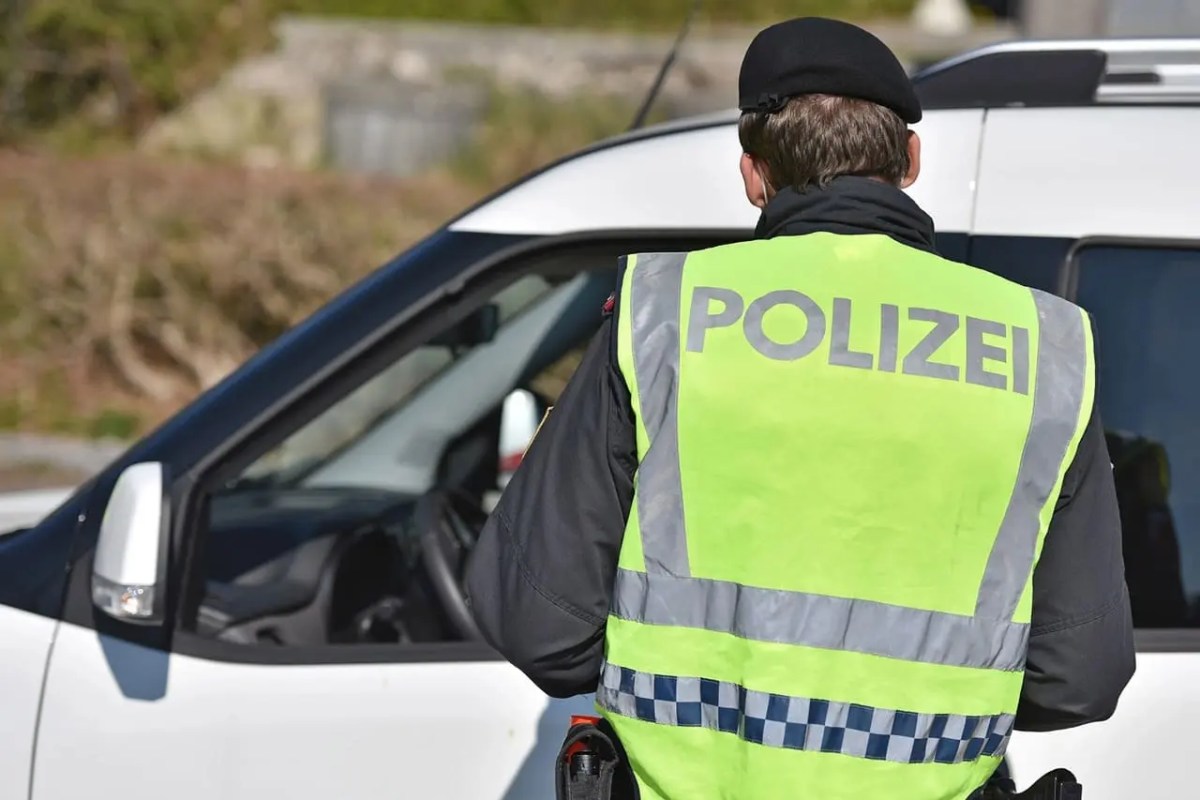
On 5 May 2026, a dead roe deer was found in the garden of a property on Hauptstrasse in Erlen.
Subsequent investigations by the cantonal police revealed that the animal had been shot several hours earlier at an unknown location, had then fled while injured and finally died. According to the authorities, the offence violates three laws at once: the Federal Act on Hunting and the Protection of Wild Mammals and Birds, the Weapons Act and the Animal Welfare Act, specifically the offence of cruelty to animals.
Eight cases in seventeen months
Since January 2025, this is already the eighth documented case of poaching involving roe deer in the canton of Thurgau. Statistically, this frequency can no longer be classified as coincidence; it corresponds to roughly one detected case every two months, while experts estimate that the number of unreported cases is considerably higher. In the same canton, a total of 2,333 roe deer were killed by hobby hunters during the regular hobby hunt in the 2024 hunting year. Roe deer poaching therefore does not take place in a vacuum, but in an environment in which the shooting of roe deer has been administratively and socially normalised.
The word “unprofessional” and its meaning
In its statement, the cantonal police chose the wording that the animal had been shot “unprofessionally”. This describes not only an unlawful act, but also explicitly a deficient level of craftsmanship. This finding matches the assessment of IG Wild beim Wild, which concluded in a study that hobby hunters are among the worst compared to other groups of marksmen. The fact that an animal flees injured after being hit and dies in agony hours later is not a rare exception, but a documented structural problem in hobby hunting.
Who are the poachers? The myth of the outsider
In public perception, poaching is often associated with nocturnal outsiders. The documented evidence in Switzerland paints a different picture. In Prättigau, the Grisons cantonal police solved ten cases in 2021 in which a local hobby hunter had regularly killed chamois and roe bucks, as well as protected crowned stags, outside the hunting season since 2014. In the canton of Jura, four hobby hunters, including an assistant game warden, poached a total of 138 roe deer, 36 hares, 12 wild boars and 11 chamois between 2002 and 2006. In reality, the boundaries between licensed hobby hunting and poaching are fluid.
Structural oversight problem in the territorial hunting system
The canton of Thurgau is one of the territorial hunting cantons in which the municipalities lease hunting rights to hunting associations. Oversight of hobby hunting in this system is structurally biased. In most cantons it is the hunting administrations themselves — authorities institutionally intertwined with the hobby hunting community — that are tasked with penalising violations. The wildlife wardens, who carry out checks in the field, are markedly understaffed. In many cantons, only a handful of game wardens are responsible for hundreds of hobby hunters.
The Geneva model as a counter-proposal
In the canton of Geneva, hobby hunting was abolished by popular vote on 19 May 1974. Since then, professional game wardens have taken on the regulatory tasks that elsewhere are delegated to hobby hunters. The immediate-kill rate of professional shooting, at around 99.5 per cent, is significantly higher than that of hobby hunting. Under such a model, the issue of roe deer poaching would also be structurally framed differently: where there is no private hobby hunting with leases, quotas and pressure to fill kill tallies, the main motives and opportunities for poaching from within the hobby hunting community are absent.
Tips to the 117 emergency number
The Thurgau cantonal police are asking the public to report suspicious observations as well as finds of killed or injured wild animals via the 117 emergency number. Every observation can be a piece of the puzzle towards solving the case — a resolution that fails in many other Swiss poaching cases due to structural weaknesses.
More on this topic at wildbeimwild.com: Crime and hobby hunting · Poaching and hunting crime in Switzerland · Geneva model: Swiss canton without hobby hunting · Ticino hobby hunter convicted as poacher · Statistics on fatal hunting accidents
Support our work
With your donation you help to protect animals and to give their voice a hearing.
Donate now →