Thousands of Minks Freed from Fur Farm Captivity
Animal welfare advocates describe mink farming as cruel and are lobbying governments for a ban on the practice.


Countless minks are roaming the countryside in northwest Ohio after unknown individuals broke into a farm and, according to authorities, freed up to 40’000 of them from their cages.
The owner of the mink farm Lion Farms USA in the township of Hoaglin, located approximately 150 miles north of Cincinnati and near the Ohio-Indiana border, informed the Van Wert County Sheriff's Office that someone had broken into the farm and opened cages.
Chaos Following the Release
The animals that escaped on Tuesday overran nearby roads, and many were struck by passing vehicles while hobby hunters were still pursuing them, local media in Van Wert County, Ohio reported. The Delphos Herald stated that workers on the farm in Hoagland township shot at the animals as they ran across the property.
The people who freed the minks from their cages most likely believed they were helping the captive animals escape a life of suffering and a senseless death on a fur farm.
That is true, but unfortunately stories like this are like double-edged swords. While the animals were spared from being brutally killed and skinned for their fur had they not been released, authorities are now calling in trappers to catch the animals and allowing people to kill them if found on their property.

USA Lags Behind on Fur Animal Protection
Although many countries worldwide have banned the cruel practice of fur farming, in which animals are skinned to use their pelts for clothing, the USA has, according to the report, fallen behind and has not taken any progressive steps in more than a decade to protect animals from this miserable fate.
Some states have no regulations whatsoever that provide even a minimum level of protection for animals on fur farms, while others could not even tell researchers which of their ministries is responsible for overseeing and managing fur farms.
Tragically, millions of animals continue to be bred and killed for their fur every year. Currently, there are at least 250 fur farms in 21 states in the United States alone, collectively producing approximately three million pelts per year. Sadly, most of these come from mink farms.
Psychological Disorders Caused by Captivity
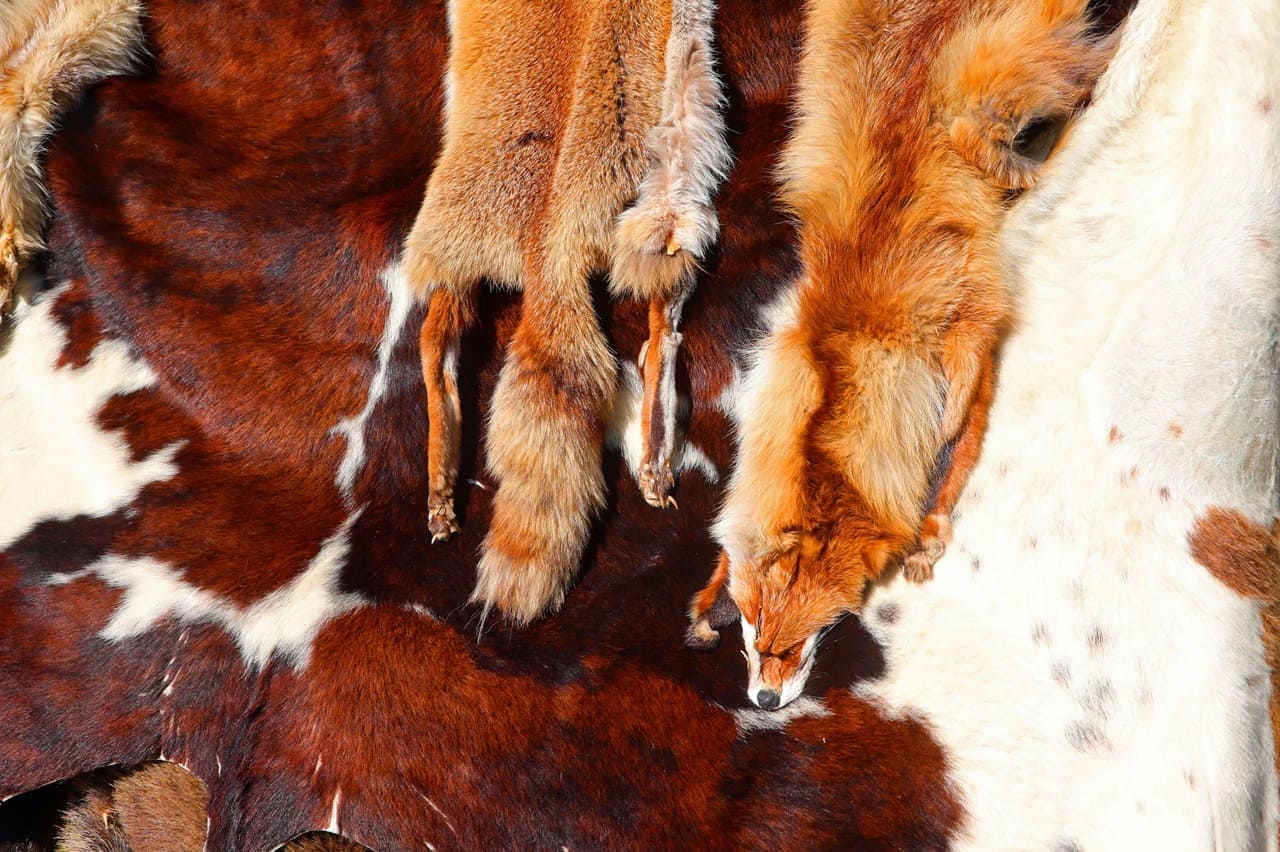
As Humane Society International notes, foxes, rabbits, and raccoon dogs are also bred for their fur. As with mink, the animals are confined in small, barren wire cages for their entire lives. They are unable to engage in their basic natural behaviors, such as digging, roaming large territories, and — in the case of the semi-aquatic mink — swimming and diving.
These naturally active and curious animals have been shown to exhibit stereotypic behaviors indicative of psychological disorder, such as repeatedly pacing and circling in their cages. The cramped conditions can also cause the animals to self-mutilate and fight with their cage mates.
Let us hope that the remaining 10’000 mink released in Ohio will not be harmed by trappers and landowners and will be able to survive in the wild. We believe that the animal liberators’ intention was solely to help the animals and not to harm them. This is yet another reason why we must collectively say no to fur. More on the topic Animal Rights on wildbeimwild.com.