The Suffering of Animals in War
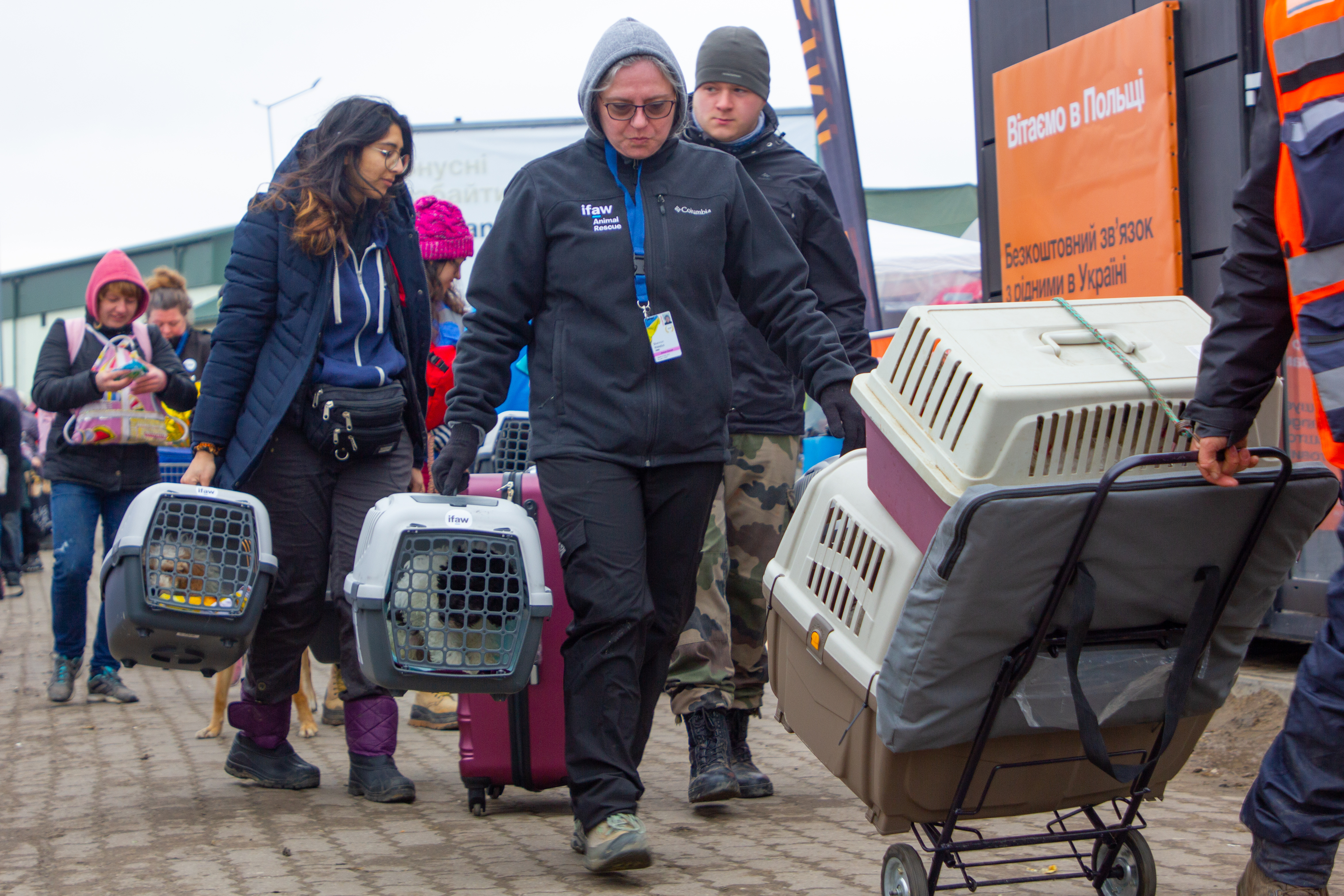
In the war in Ukraine, not only humans are suffering, but also millions of animals. Livestock, pets, and wildlife are left defenceless against the fighting.

Wars bring not only unspeakable suffering to people — the animal world also feels the terror of armed conflict in dramatic ways.
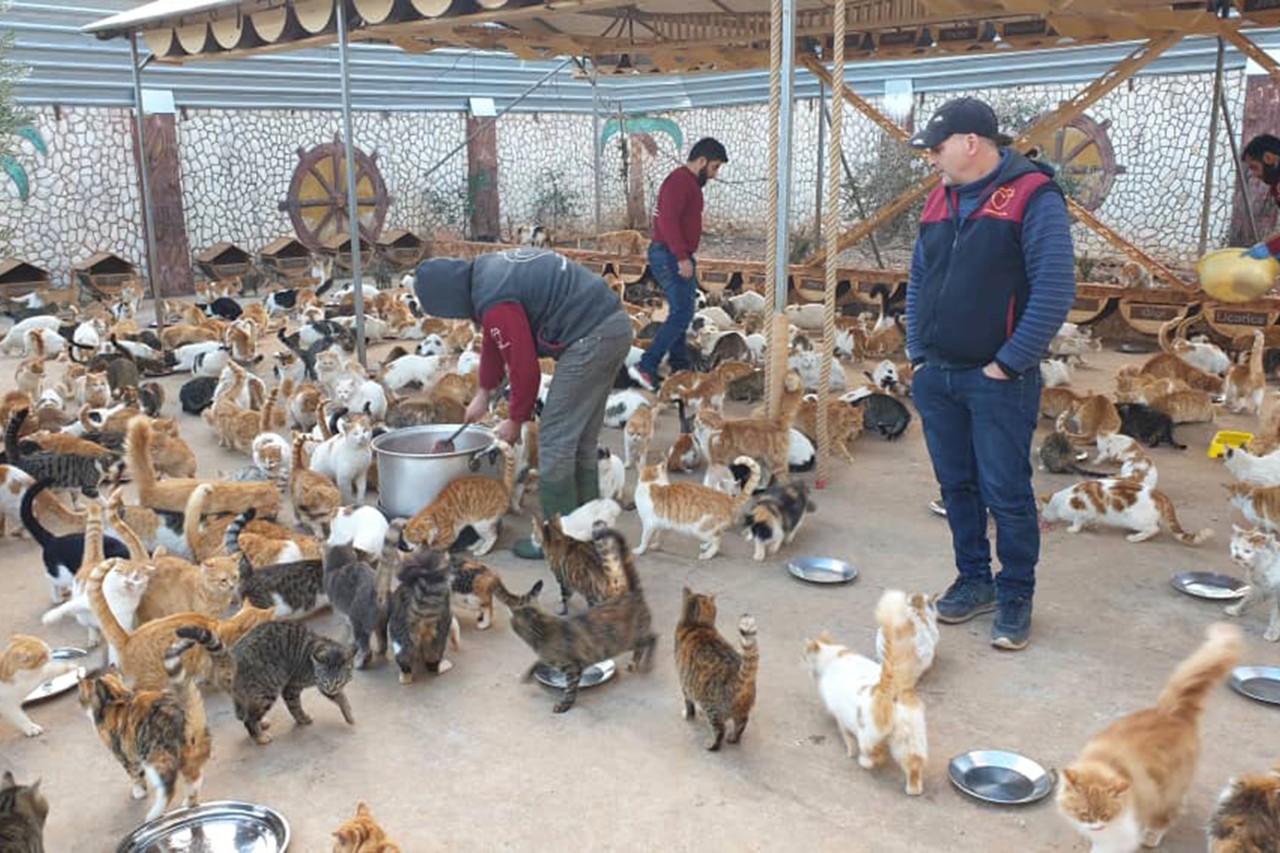
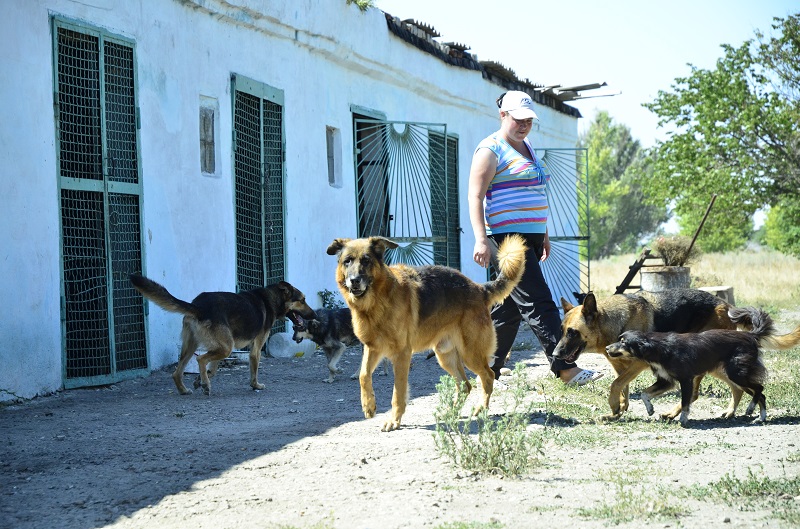
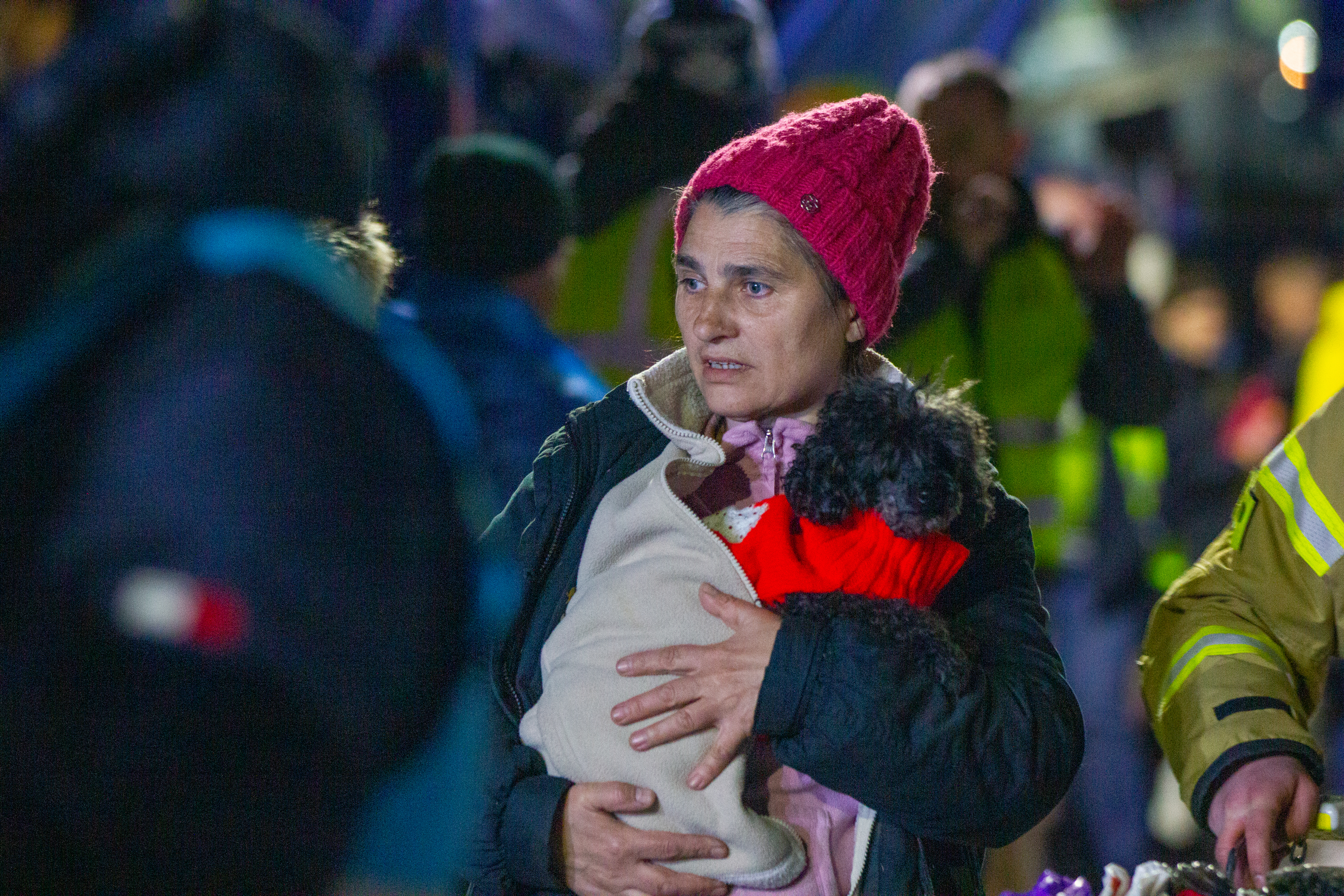
War and destruction leave their mark above all on domestic and farm animals, which are closely connected to humans. When their owners die or flee, the stray population of abandoned pets rises rapidly. Dogs and cats left to fend for themselves are particularly vulnerable to disease, and many display signs of post-traumatic stress disorder (PTSD).
This is the finding of a current study by IFAW (International Fund for Animal Welfare): “Animals, People and War: The Impact of Conflict” examined the devastating consequences for the population, domestic and farm animals, as well as zoo animals and wildlife.
Azzedine Downes, CEO of IFAW, views the study’s findings as a clear signal to policymakers: “The living conditions and fate of animals and humans are closely intertwined. Alongside humanitarian aid, which is of course the priority, we urgently need a sustainable and effective package of measures to protect animals.“.


Farm animals such as cows or pigs often lose their lives in cruel ways through shelling of their stalls or landmines. Their loss also has serious consequences for the country’s supply situation.
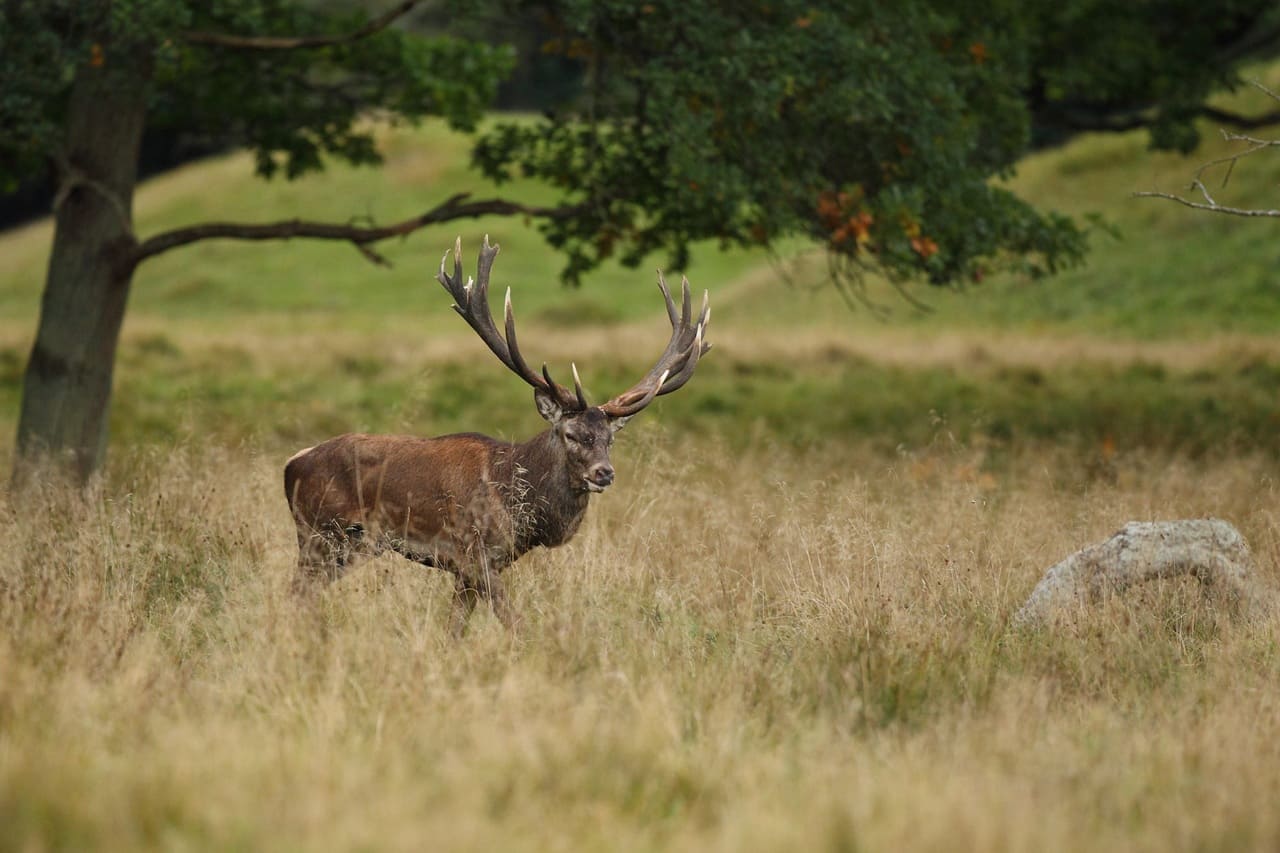
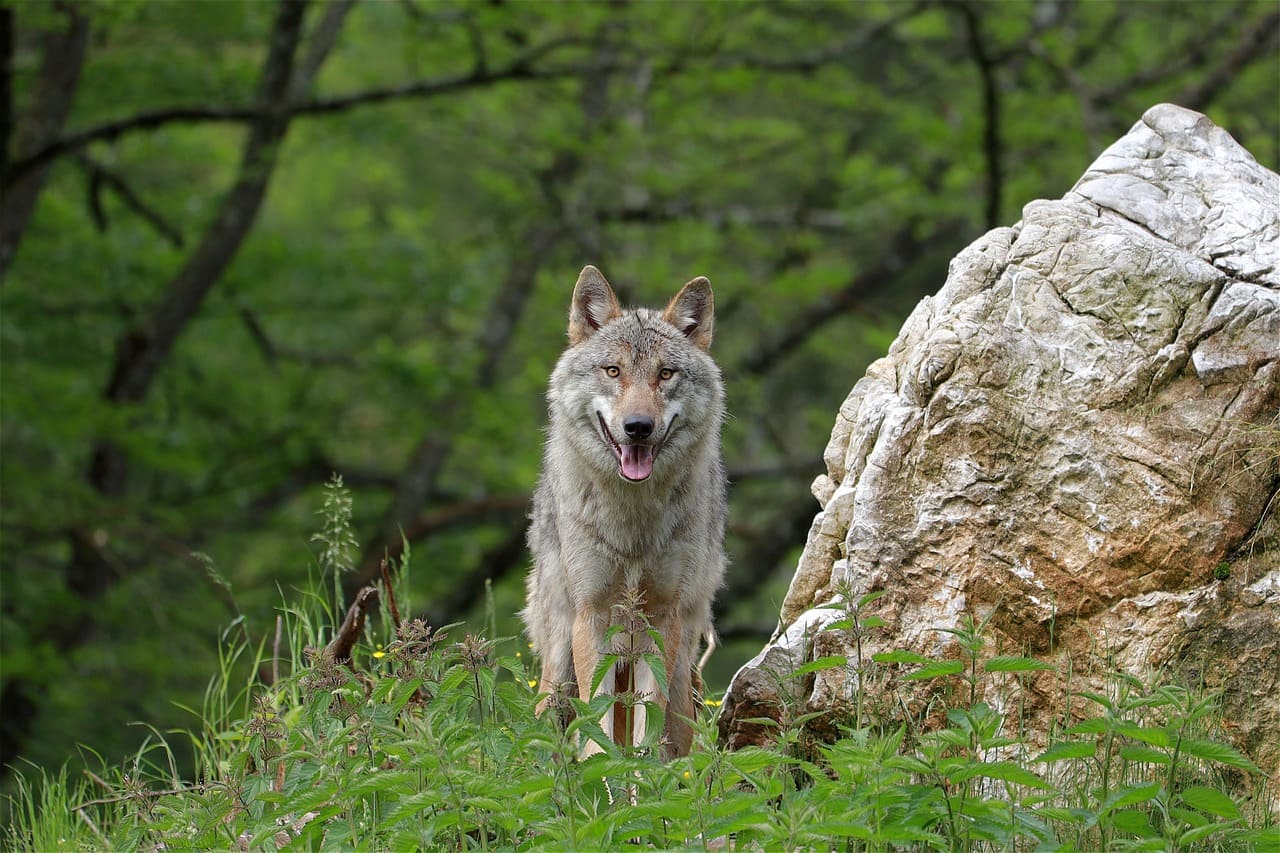
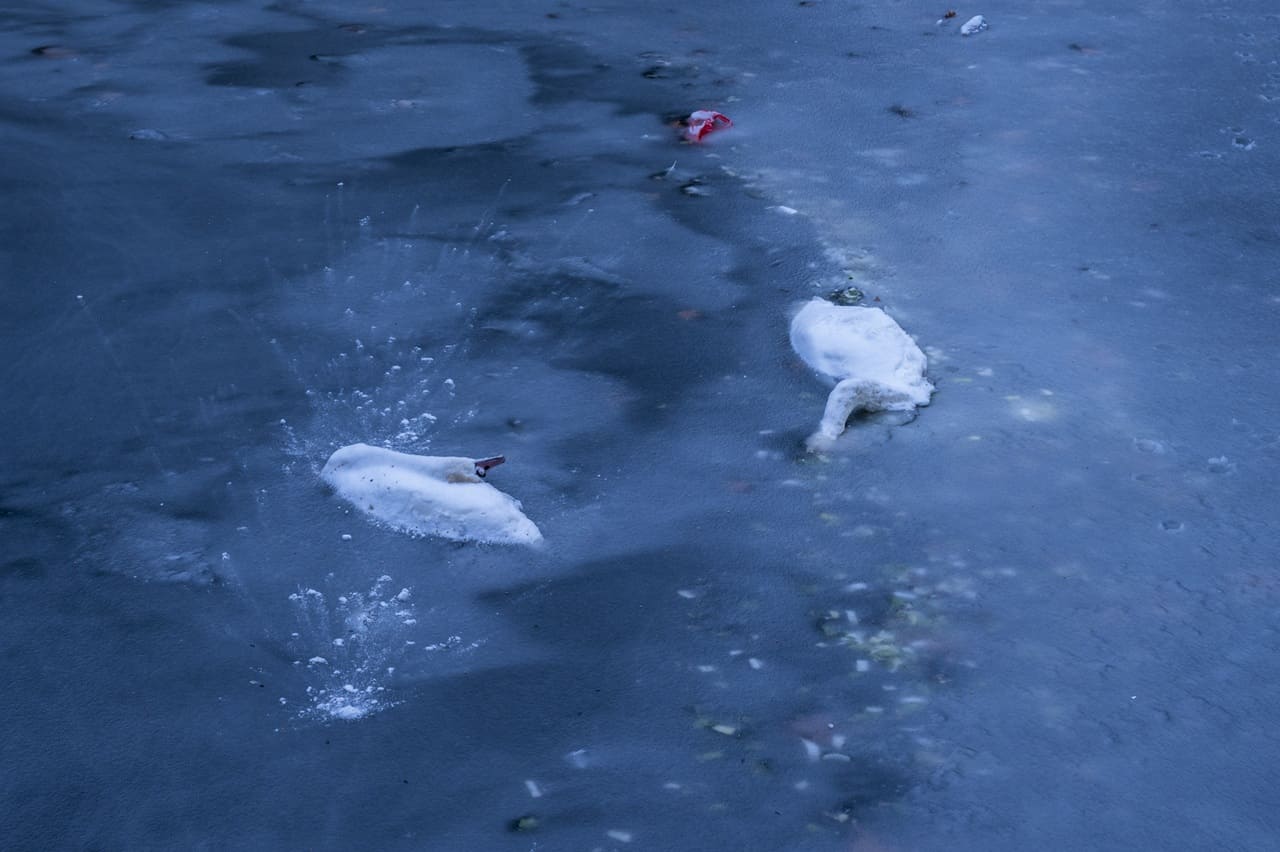
The situation for wildlife is also dramatic. Many lose their native habitats, while at the same time competing with humans for food, water, and shelter. As many animal and environmental protection measures are suspended in times of war, poaching and wildlife trafficking increase.
Many zoo animals face death by starvation; after being released into the wild by fleeing keepers, they are unable to survive on their own.
Based on these dramatic conditions for animals threatened by war, IFAW has formulated the following recommendations for policymakers:
- Expedited procedures for the cross-border transport of pets and farm animals during conflicts.
- Inclusion of domestic and farm animals in all planning for the accommodation and care of refugees.
- Provision of adequate resources such as animal feed, water, and veterinary care at border crossings. Adoption of the principles on environmental protection in armed conflicts formulated by the International Law Commission.
- Recognition of the human right to a healthy environment.
- The inclusion of “ecocide” in the Rome Statute of the International Criminal Court (ICC), in order to hold those responsible for environmental damage accountable.
- Expansion of personnel capacities to combat wildlife crime at the local, national, and international level.
- Classification of the deliberate, malicious harming of animals as a war crime.
- The recognition of the destruction of nature as a criminal offence under international law, as access to nature is to be treated as a human right.
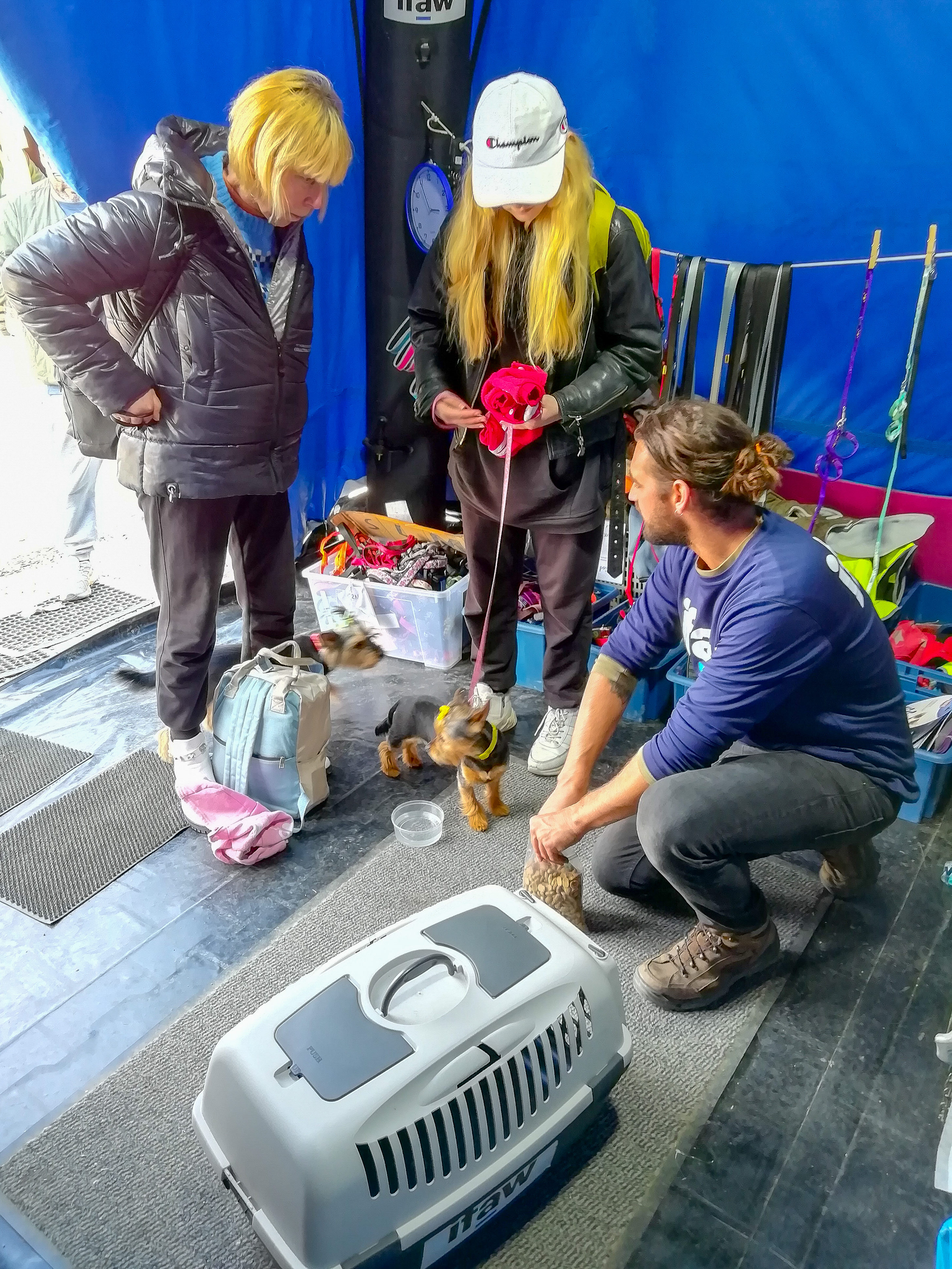
Against this backdrop, IFAW has been committed to providing care for the animals of refugees fleeing Ukraine. Our animal aid camp at the Medyka border crossing and veterinarians at Przemysl train station offered veterinary care, pet supplies, and food. The tent has since been dismantled as the number of refugees decreased, but the veterinarians at the train station continue to operate.
You can find the full study here