Study: «Old and wise» elephants ensure survival
Male African elephants develop distinct personality traits as they age.

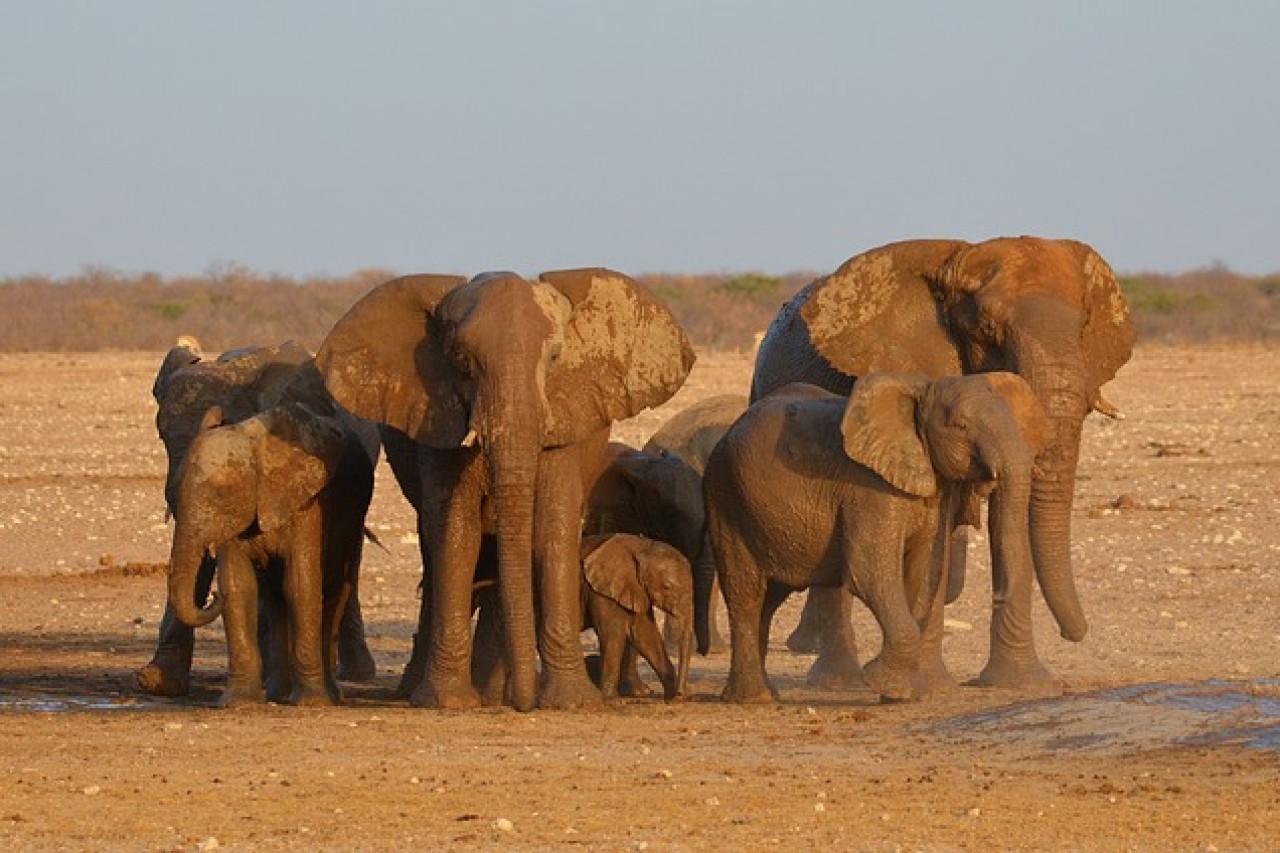
Elephants are known for their intelligence, which rivals that of other highly intelligent animals such as primates and dolphins.
They are also known for their pronounced social lives with strong family bonds.
A new study now shows that the personalities of elephants are more complex than we might imagine.
The researchers found that male African elephants have distinct personalities and adapt their behavior to the social context in which they live.
Personality traits of elephants
Before we delve into the findings, we should understand what the researchers mean by “personality traits.”
In the animal kingdom, these traits reflect the consistent individual differences in behavior that are often referred to as “temperament.”
Earlier studies have highlighted the unique personality types of elephants in controlled environments. However, the best opportunity to understand their social dynamics is offered by the wild rather than zoos.
Male elephant personalities
The team identified five consistent behavioral traits: aggression, dominance, friendly social interactions, self-soothing, and composure.
Unlike many other animals that have fixed personalities, however, these elephants proved to be highly adaptable. They changed their behavior depending on who was around them.
Social dynamics and behavior
When younger males were nearby, for example, older males behaved in a friendlier and more dominant manner. In the presence of a socially influential elephant, however, friendly behavior decreased.
Interestingly, the most dominant elephants displayed both aggression and friendliness in equal measure – evidence of how important balance is for their social success.
The findings represent the first known case of adult male elephants in the wild displaying distinct personality traits.
Dominant personality traits in elephants
Male elephants display five distinct character traits (affiliative, aggressive, dominant, anxious, and calm) that are consistently differentiated across time and context, and they also differ in how they express these five character traits, according to the study authors.
The experts also found that younger male elephants are more similar in temperament, suggesting that unique personalities develop as these animals age.
Older males tend toward greater individuality, likely attributable to life experience shaping their behavior.
Adaptability is key to social success
The adaptability of elephants extends beyond the mere expression of their personality. The research underscores that social context is crucial to their behavior.
The ability to adapt behavior appears to make the most dominant elephants more socially successful. Elephants that demonstrated a balanced ratio of aggression and friendliness seemed to navigate their complex social environment more effectively than those who tended toward either extreme.
Furthermore, age-mixed groups appeared to benefit the general well-being of these elephant societies. Younger elephants learn from older, more dominant males how to interact with them, while the presence of diverse personalities contributes to a balanced, cooperative atmosphere.
These findings indicate that maintaining this social dynamic, both in wild and captive populations, could greatly benefit the welfare of elephants.
Implications of the different elephant personalities
Understanding elephant personalities is not merely an interesting fact, but also has significant implications for conservation. The management of elephants in the wild and in captivity could be improved by recognising their distinct personalities and social adaptability.
Efforts to protect elephants must take this social dynamic into account in order to ensure the well-being of these intelligent animals.
Caitlin O’Connell-Rodwell and her team have deepened our understanding of these iconic animals. By demonstrating both consistency and flexibility in the personalities of male elephants, the study illustrates how greatly social adaptability contributes to their success.
These nuanced findings from Stanford University could help conservationists create better environments for wild and captive elephants, enabling these majestic animals to enjoy a more natural social life.
More about male African elephants
Male African elephants, also referred to as bulls, lead a very different social life from female elephants. Unlike female elephants, who live in close family groups under the leadership of a matriarch, male elephants leave their family groups once they reach adolescence.
They then join loosely formed all-male groups or lead a largely solitary existence. These all-male groups often function on the basis of complex dominance hierarchies, in which older males assert their supremacy over younger ones.
Male elephants are also known for their unique role in the ecosystem. Their behaviors, such as knocking down trees and digging for water, shape the landscape and create watering holes and pathways that benefit other animals.
These interactions highlight not only their physical strength, but also their ecological significance.
Musth is a natural condition in male elephants, characterised by a marked increase in testosterone levels, leading to heightened aggression and dominance. This behavior plays an important role when males compete for a mate during the breeding season.
Understanding personality changes can help improve the management and care of both wild and captive elephants, ensuring their well-being and safety.
Further articles
- Zoos cause more harm to animals than you may realize
- Justice for zoo animals
- Is it time to ban zoos?
- Finland: Zoo wants to send giant pandas back to China due to maintenance costs
- The keeping of elephants in zoos must finally come to an end!
- Killing surplus animals – zoos are failing at species conservation