Herd protection works: Fewer wolf kills in Switzerland
Figures from the cantons of Valais and Graubünden as of the end of August 2024 show: The number of kills by wolves continues to decline. This is despite the wolf population still increasing slightly.

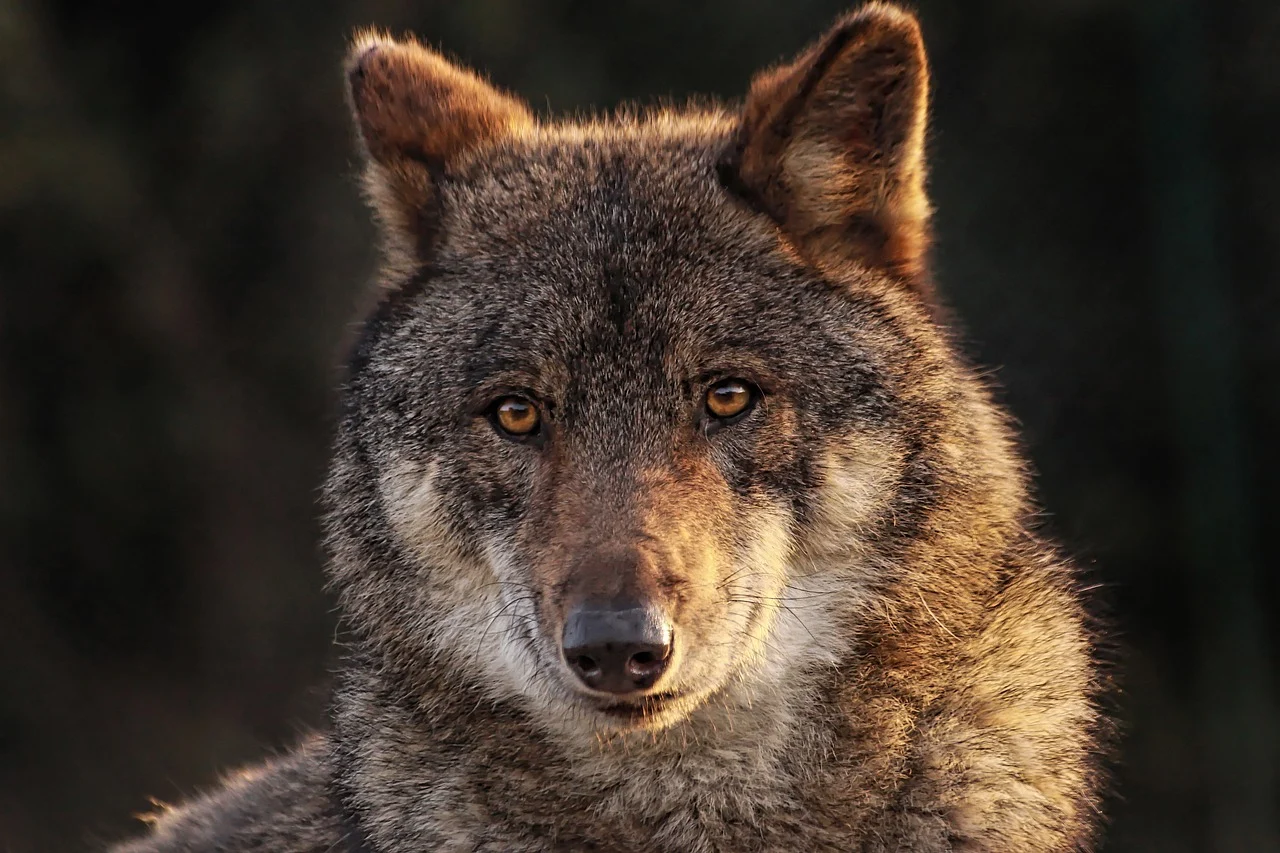
In Valais, 15 percent fewer kills have been recorded compared to the same period last year, and in the canton of Graubünden even 35 percent fewer.
As early as 2023 — before the start of the wolf massacre — kills had already declined significantly compared to 2022. The figures underline the effectiveness of herd protection.
Switzerland is now home to more than 35 wolf packs, and the population continues to grow slightly. There is a contrasting trend in the number of livestock killed by wolves: these figures show a declining trend for the second consecutive year after 2023, as official data from the cantons of Valais and Graubünden indicate. Thus, not only the number of kills per wolf, but also the absolute number of wolf kills is declining. This trend is primarily attributable to the further expansion of herd protection measures, especially since a comparison of damages with regulated packs reveals no clear correlation.
This shows: Without herd protection, even intensive population management cannot sustainably reduce the damage caused by wolves. Herd protection, implemented across the board, therefore remains the be-all and end-all of coexistence with the wolf. The effort required from farming and alpine agriculture is considerable, but it is having an effect.

Lone wolves often more problematic than packs
As figures from the canton of Valais show, a small number of lone wolves have killed almost as many livestock as all the wolf packs in the canton combined. Several packs have not killed any livestock at all this year. The remaining packs, with one exception, have caused only minor damage, and primarily in herds where no herd protection measures had been implemented. The canton's figures further show that herd protection measures had been in place in only 35 percent of cases where kills occurred in the canton.
A similar picture emerges in the canton of Vaud: while there were somewhat more kills than in the previous year, more than half of them were caused by a single wolf in the Mittelland, whereas the five packs present in the Jura are responsible for only a minority of the kills. This damage-causing individual has been continuously approved for culling since February 2024 through a series of consecutive orders, yet has so far not been killed. This case clearly demonstrates that individual wolves can cause far more damage than entire packs, and that even when culling orders are issued, comprehensive herd protection remains indispensable, since it is simply never possible to carry out all cullings.
Dossier: Wolf in Switzerland: Facts, Politics and the Limits of Hunting
Participate: Petition your municipality for a tax remission on federal and cantonal taxes in light of the disastrous policies of Federal Councillor Albert Rösti (SVP) and the recently approved culling of wolves in Switzerland. You can download the template letter here: https://wildbeimwild.com/ein-appell-fuer-eine-veraenderung-in-der-schweiz/

More on the subject of recreational hunting: What the research says about this is shown by Hunting fact-checked: the state of research.
The position of IG Wild beim Wild: IG Wild beim Wild rejects recreational hunting. Our model is the canton of Geneva, which has managed without recreational hunting since 1974: without hunting seasons, without hunting dogs, without driven hunts, without high seats, without the animal cruelty and crime that go hand in hand with hunting season elsewhere. What has worked there for over fifty years disproves every position paper by JagdSchweiz. An association that bases its policy on claims it refutes in its own documents is not a professional organisation, but a factory for misinformation.