Frog legs: Insecticides and false labelling
The Swiss Animal Protection STS finds insecticides in frog legs and incorrectly declared species. It calls for an import ban in Switzerland.

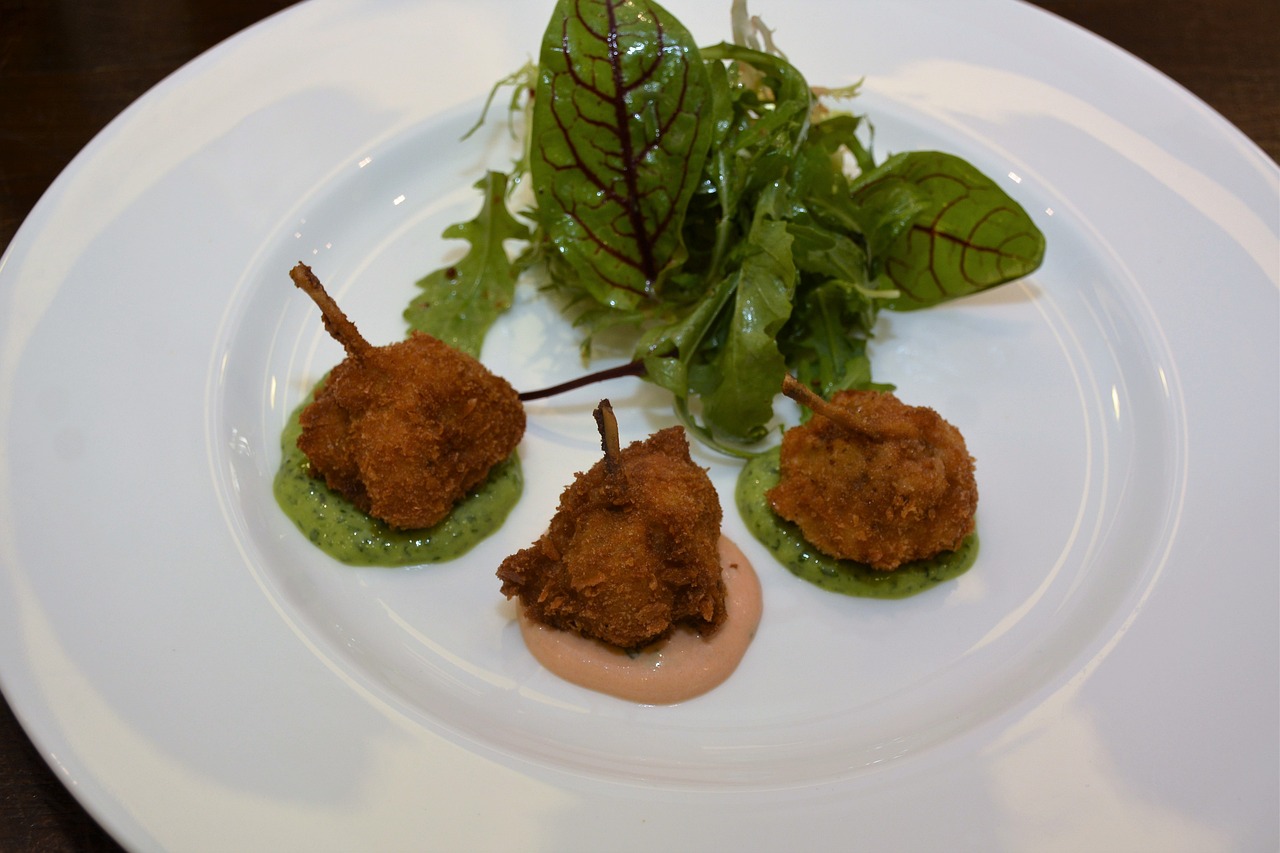
Frog legs are a popular component of festive menus, despite the immense animal suffering associated with the capture, keeping and killing of frogs.
A new investigation by the Swiss Animal Protection STS now reveals: some of the examined frog legs contain concerning residues of the insecticide diethyltoluamide. Furthermore, the products do not always correspond to the frog species declared on the packaging. The Swiss Animal Protection STS has long been calling for an import ban on frog legs.
Every year, over 65 tonnes of frog legs are imported into Switzerland, the largest share coming from Indonesia and Vietnam. Over 90 percent of these go to the catering industry. Worldwide, several hundred million frogs are killed in agony every year. Usually only the legs are consumed, and the rest is discarded. Even today, frogs have their legs cut off while still alive. The animals then bleed to death in great pain and while fully conscious. There are no international standards for the species-appropriate procurement, keeping and slaughter of amphibians. Accordingly, there is also no certification that could demonstrate responsible production. In addition to the animal welfare issues there are substantial risks to species and nature conservation. The mass removal of insect-eating frogs leads to uncontrolled proliferation of agricultural pests, necessitating the use of toxic pesticides, with negative consequences for people, animals and the environment.
Two samples found to be contaminated with insecticide
The Swiss Animal Protection STS has had various frog leg products available in Switzerland analyzed for pesticide residues and species identification. The analyses revealed that two products available in Switzerland (from «Maison Thieriet») are heavily contaminated with the insecticide diethyltoluamide (DEET). DEET is not regulated in Switzerland. Therefore, a maximum residue level of 0.01 mg/kg applies. The values detected in the analysis are far above this threshold. The pesticide is not considered highly toxic to humans, but can cause skin irritation, perceptual disturbances, or insomnia. Particular caution is warranted for children and pregnant women. The detection of pesticides in frog leg products comes as no surprise. Studies from Europe have documented that frog products imported for consumption sometimes contained considerable quantities of insecticides, herbicides, as well as mercury and antibiotics.
Incorrect declaration of frog species
Samples of frog legs were also genetically analyzed on behalf of the STS and assigned to a species. In the case of the product «Le Dragon» by Stutzer & Co. AG, two additional species were identified within the same package. It can be assumed that in the countries of origin, wild-caught specimens are collected indiscriminately, without the catchers knowing which species they are catching. Whatever is large enough is collected, killed if necessary, and exported. The information provided by the Swiss food importer Fivaz Vallorbe SA is also inaccurate, though this is at least partly attributable to the challenging nomenclature of this water frog group. The Anatolian water frog identified is subject to severe overexploitation. Should this continue unchecked, the species could be driven to extinction within the next 10 years.
| You can help all animals and our planet with compassion. Choose empathy on your plate and in your glass. Go vegan. |