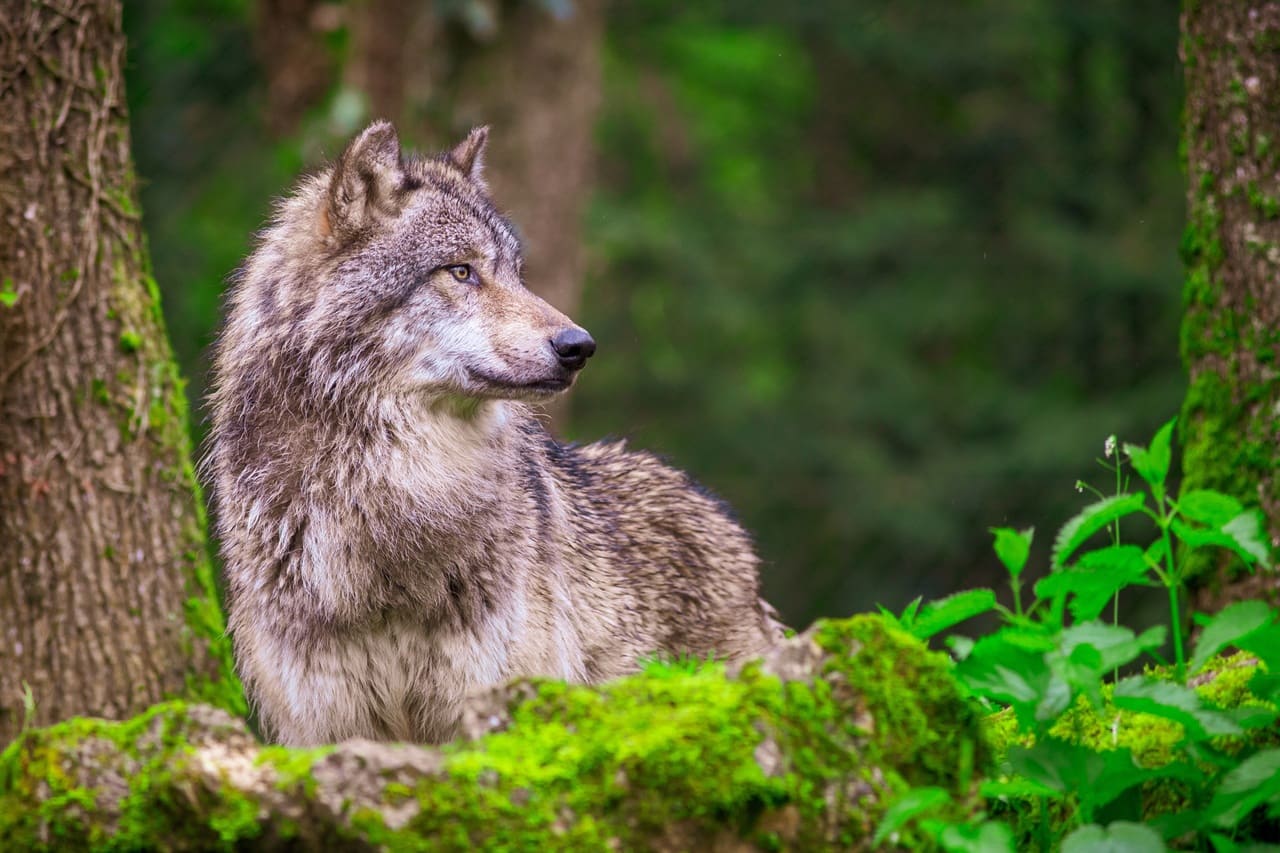
Crime Scene Forest: Hobby Hunting as a Crime Against Animals
When a hobby hunter reaches for a weapon, what begins — from the perspective of the animal struck — is no “habitat management operation” and no “tradition preservation.” What begins is a deadly assault. Where a sentient being was alive just moments before, a bleeding body soon lies on the ground.

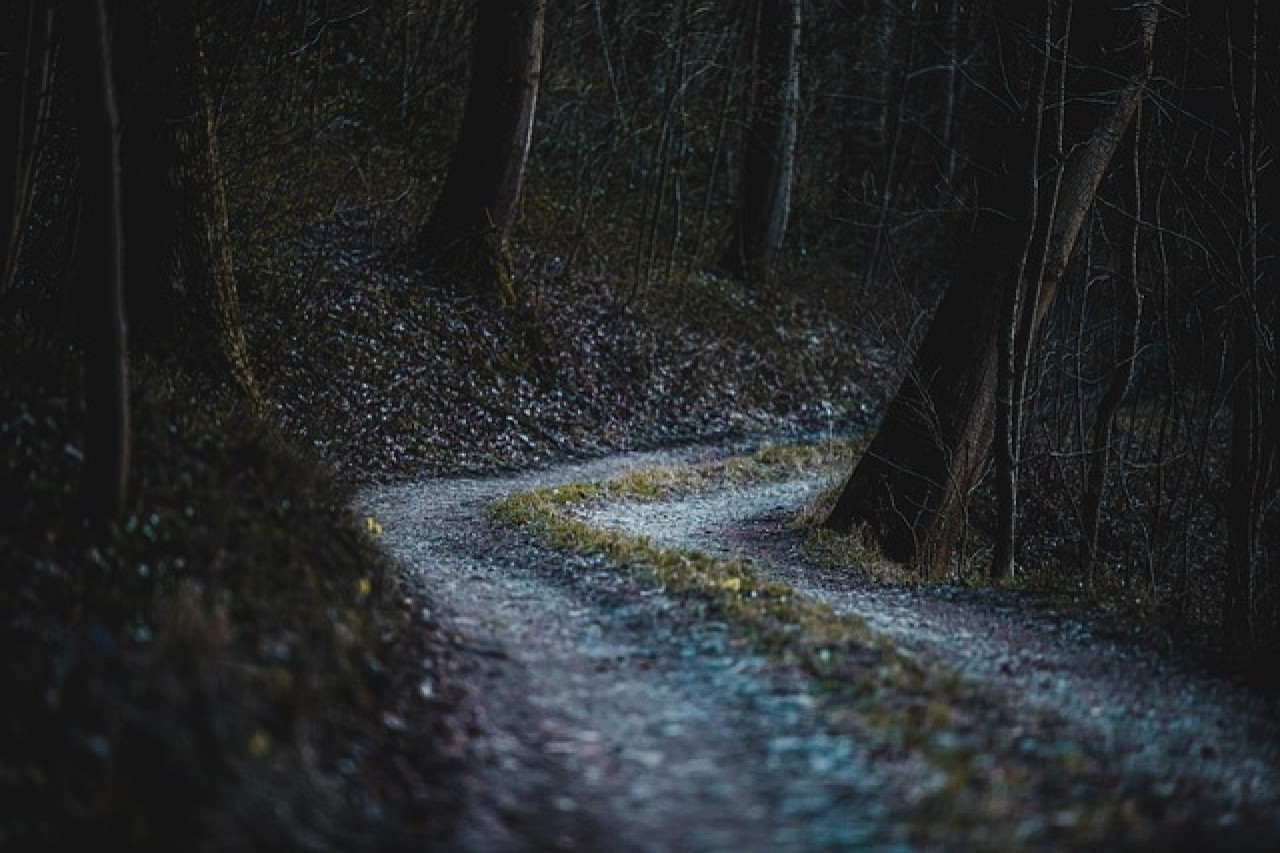
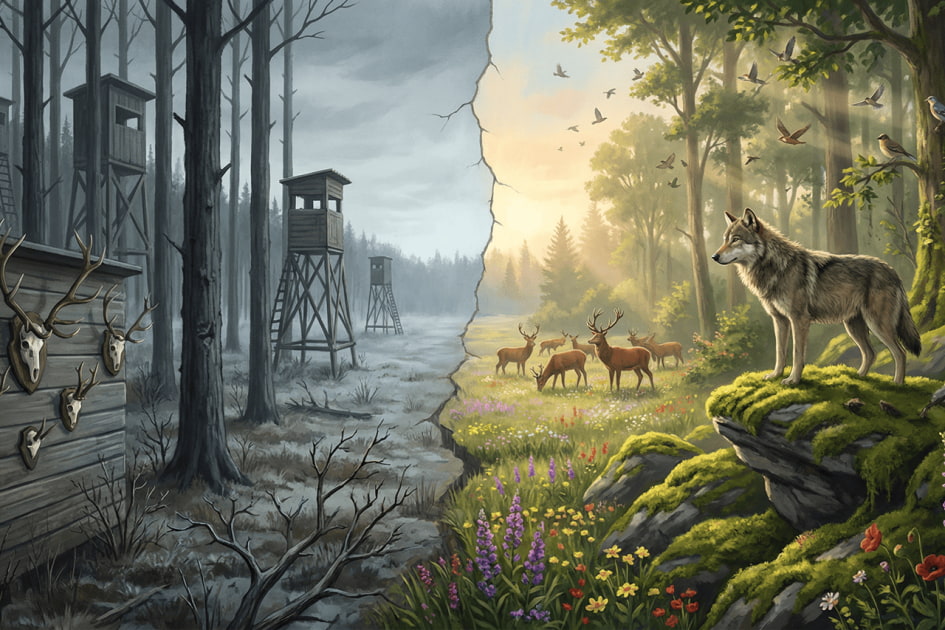
In any other context, we would call a place where someone is deliberately killed a crime scene.
Only in the case of hobby hunting has our society grown accustomed to pretending it is something different.
Every activity of a hobby hunter is morally a crime scene, because a life is extinguished without necessity.
Legally permitted, morally outrageous
The legal picture is clear. Anyone who holds a valid hunting licence, operates within the territorial hunting law, and observes the hunting seasons commits no criminal offence under current law. The killing of an animal within this framework is “permitted.”
Yet legal permission is no substitute for moral justification. Legal systems are products of majorities, lobbying interests, and tradition. Hunting in Europe is deeply intertwined with property relations, aristocratic culture, and agricultural interests. The fact that it is permitted says one thing above all: the interests of hobby hunters have historically been weighted more heavily than the interest of animals in their own lives.
For the individual roe deer, fox, or bird, it is irrelevant whether the shot was “huntsmanlike” or “legal.” The outcome is always the same: pain, mortal terror, and the loss of all remaining life. From a moral standpoint, what matters is not the stamp of the law, but the question: Was this killing truly necessary? In the case of hobby hunting, the honest answer is: No.
The truth behind the camouflage language of hobby hunting
Over the course of its history, hobby hunting has developed its own vocabulary. This language does not merely serve technical communication. It creates distance and obscures the brutality of what takes place.
- Killing becomes “harvesting.”
- The animal becomes “the specimen.”
- Suffering becomes a “clean shot.”
- Killed animals become “bag.”
These terms appear superficially neutral, sometimes even aesthetic. They obscure the fact that a defenceless living being was killed here — often solely because someone pursues the killing of animals as a hobby.
Instead of “Today I killed a roe deer,” the phrase becomes: “Today I was able to harvest a fine piece of roebuck.” The language strips the act of its gravity, transforming violence into a kind of nature ritual. Anyone who wishes to evaluate hunting on moral grounds should therefore consistently replace this camouflage language with honest terms.
- Animals are not “harvested” — they are killed.
- Populations are not “regulated” — individual life histories are brought to a violent end.
Only then does the character of the crime scene become visible.
Hobby hunting is not self-defence — it is leisure violence
There are extreme situations in which people kill animals in order to survive immediately. In such emergencies, moral discussion is possible. Modern hobby hunting does not belong in that category.
Hobby hunters typically live in prosperity, in societies with overflowing supermarket shelves. They do not need to hunt in order to feed themselves — they need it to maintain a particular self-image:
- as a “nature expert,”
- as a “regulator,”
- as a “steward of wildlife.”
In reality, however, the hobby hunter always has a choice. They could turn to plant-based or other less animal-harmful food sources. They could observe nature through binoculars rather than through a rifle scope. They consciously choose a form of “leisure activity” in which blood is ultimately shed.
Killing a sentient being when one is not dependent on doing so is nothing other than violence exercised from a position of superiority. That is precisely why the site of this act is, morally speaking, a crime scene.
The staging of the hobby hunter as a “saviour of nature”
A central argument of the hunting lobby runs as follows: without hobby hunters, the ecosystem would fall out of balance, populations would explode, and forests would suffer.
What is conveniently forgotten:
- Many of these problems are man-made — caused, for instance, by intensive agriculture, hobby hunting, the fragmentation of habitats, the shooting of predators, and the supplementary feeding of wildlife.
- Natural regulation by predators such as wolf, lynx, or fox has been fought for decades, because they compete with hobby hunting.
The narrative “Without us, everything falls apart” serves primarily to legitimize one’s own activities. It is a classic pattern: first a problem is created or amplified, then one presents oneself as the indispensable solution.
True ecology means:
- Protecting habitats instead of firing shotgun blasts into them.
- Recognizing wildlife as fellow inhabitants of the landscape rather than “causes of wildlife damage”.
- Allowing predators to take over natural regulation.
A nature that is supposed to be “in order” only when hobby hunters kill regularly is not a healthy ecosystem, but a human-manipulated system with built-in violence.
The victim’s perspective: The forest as a crime scene
In public discourse, one voice is almost always absent: that of the animals.
If one mentally places oneself in the position of a roe deer quietly grazing, then hearing a bang, feeling a burning pain, collapsing and slowly losing consciousness, one’s perception changes.
For this animal, the forest is:
- Home,
- A place of refuge,
- A place of life.
In one second, it becomes a place of death. Here lie blood, cartridge cases, a shot body. The hobby hunter takes photos, perhaps poses with the animal, and speaks of “Waidmannsheil”. From the victim’s perspective, it is nothing other than a crime scene.
Animals experience fear, stress, and panic when fleeing. They form bonds, learn, play, and explore. They want to live. Whoever ends this life without necessity violates a fundamental interest that we take for granted in ourselves.
From normality to scrutiny
Hobby hunting thrives on being considered normal. “It’s always been this way,” “Hobby hunters know what they’re doing,” “It’s part of the culture.”
Yet much of what “has always been this way” was, at some point in history, recognized as wrong. Child labour, corporal punishment in schools, and animal cruelty in circuses were long considered a matter of course. Today they are regarded as unacceptable.
This process is beginning with hobby hunting as well.
- More and more people object to animals being shot for the pleasure of killing or for “trophy hunting”.
- More and more scientific studies document the complex feelings and experiences of wild animals.
- More and more voices are demanding that violence against animals no longer be tolerated under the cloak of “tradition”.
Anyone who critically examines recreational hunting is not questioning a tradition, but making visible what it truly is: organized violence against defenceless living beings.
Consequence: naming recreational hunting as a moral offence
When one thinks ethically and consistently, little room remains.
- An act in which a sentient being is killed without necessity.
- An actor who acts out of leisure motives, tradition, or personal gratification.
- A legal framework that protects this practice, yet does not recognize the victim as the bearer of rights of their own.
From a moral standpoint, this is not a “normal leisure activity”, but a criminal act. The place where it occurs is therefore a crime scene.
As long as our law treats animals merely as objects, this crime scene will not be treated as such. Yet morally, it is real. Every bullet that penetrates a body, every heart that remains in the crosshairs, is a reminder of that.
It is time to describe recreational hunting, in language and in politics, for what it is from the animals’ perspective. Not wildlife management, not custom, not nature romanticism. But an act in which lives are ended without necessity.
And where killing takes place without necessity, the forest is not a “hunting ground”. It is a crime scene.
Dossier: Hunting and Animal Protection
Support our work
With your donation you help protect animals and give voice to their cause.
Donate now →