Switzerland now has more mammal species again
The largest mammal survey ever conducted in Switzerland and Liechtenstein reveals: 99 species confirmed, 12 more than in 1995. Wolf and beaver are back.


The largest mammal survey ever conducted in Switzerland and Liechtenstein has been completed: 99 species were recorded, 12 more than in the last overview from 1995.
Some species, such as wolves and otters, have returned, while others, such as the Valais shrew and the cryptic bat, were newly discovered, report researchers from the Swiss Society for Wildlife Biology in the newly published “Atlas of Mammals”. Based on more than 1 million observations, the book documents the occurrence of mammals in greater detail than ever before.
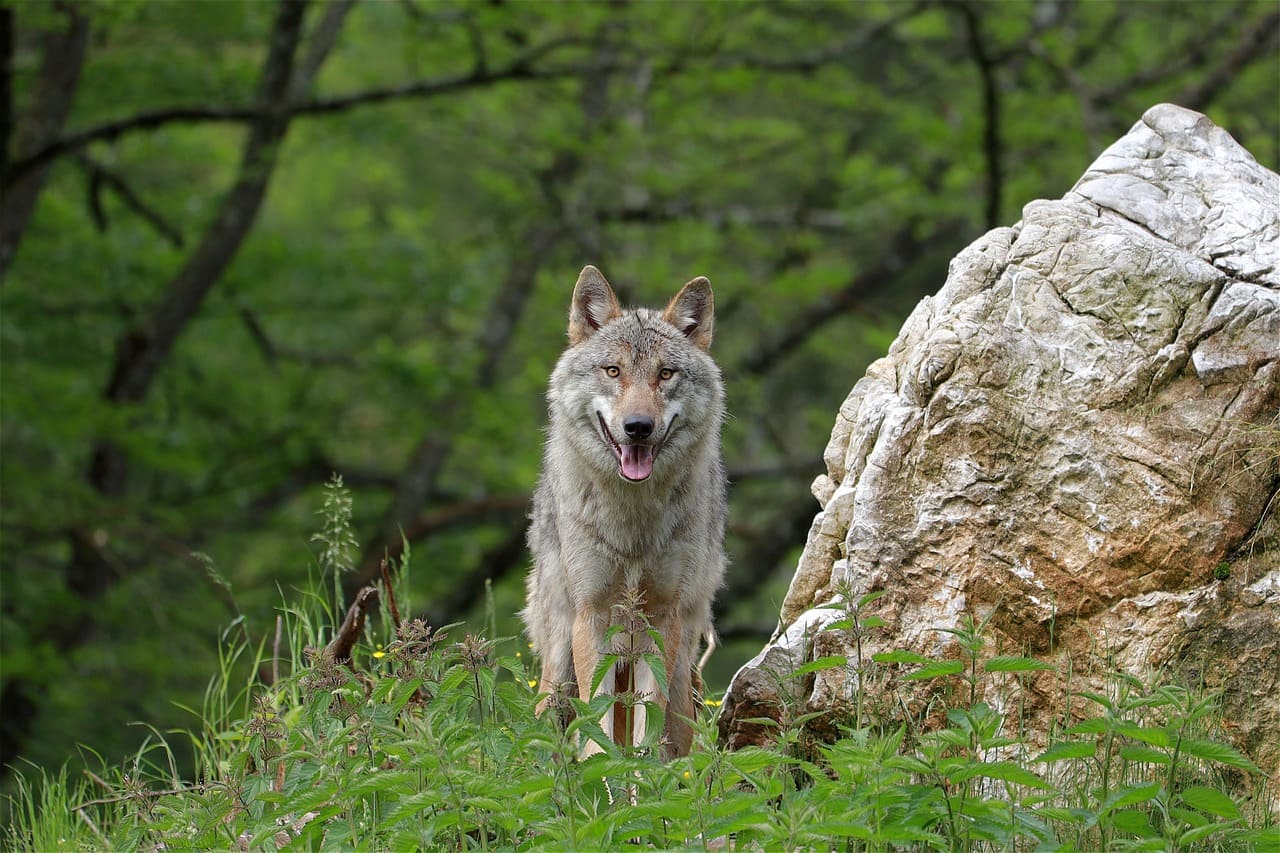
In addition to the mammal species newly observed compared to 1995, the experts have also documented a significant increase in the range of several mammal species. These include the lynx, wolf, wildcat, beaver, and red deer. Many small and medium-sized mammal species, however, are under severe pressure. More than half of all bat species are on the Red List. Their habitats and food sources, primarily insects, are dwindling, while light pollution and environmental toxins are on the rise.
The larger mammal species have now found their place in Switzerland again, in part thanks to human intervention. However, the small, inconspicuous, and sometimes endangered species also deserve greater attention. Action is needed here.
Roland Graf, project leader of the Swiss Society for Wildlife Biology
100 years ago, even roe deer had vanished
It was five to midnight when the law on hunting and the protection of wild mammals and birds was enacted in 1876. Just 100 years ago, ibex, red deer, roe deer, and wild boar had been eradicated in Switzerland, with only a handful of chamois remaining. Aurochs, wisent, wild horse, and elk had already been gone for a long time.

More than almost any other bat species, the lesser horseshoe bat avoids areas lit at night 
The lynx has returned to the Jura and large parts of the Pre-Alps and Alps. However, the current populations are still too small for long-term survival. 
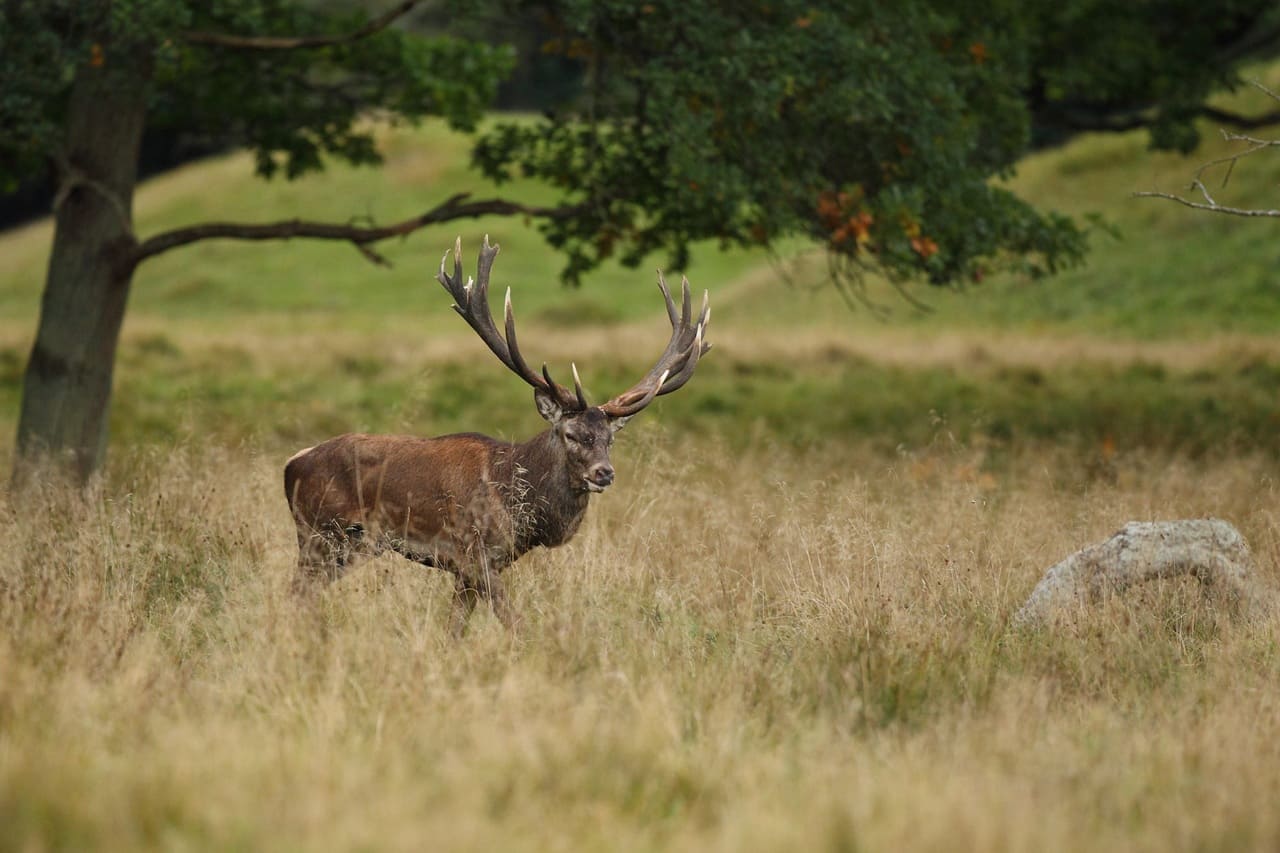
The red deer has expanded its range further and can now be found year-round in many lowland areas as well. 
Native perennial plants and shrubs, along with a willingness to embrace a certain degree of disorder: this is how the public can contribute to ensuring that native mammals find space to live in close proximity to humans. 
With a head-body length of around 4.5 cm and a weight of just over 2 grams, the Etruscan shrew is considered the world's smallest mammal. Its range is limited to the southernmost areas of Switzerland in Ticino. 
160 volunteers surveyed more than 150 square kilometres distributed across all of Switzerland for the presence of hedgehogs. 
Number of mammal species per order occurring in the wild in Switzerland and Liechtenstein


Over 1 million records
Sightings, prey items from cats, tracks, droppings, ultrasound, genetic analyses, and other methods — mammal experts from various private organisations and public authorities, along with thousands of volunteers, have documented mammals — many of them shy and nocturnal — using a range of clever techniques. As a result, the national database info fauna has accumulated 1’141’000 observations since the year 2000. This extensive data set provides the most accurate picture to date of the distribution of mammals in Switzerland and Liechtenstein. «The new methods and networks, particularly in the area of citizen science, provide a strong foundation for the future monitoring of mammals in SwitzerlandThe new methods and networks, particularly in the area of citizen science, provide a strong foundation for the future monitoring of mammals in Switzerland», says Roland Graf.