Daylight saving time reduces wildlife collisions in traffic
Daylight saving time significantly reduces collisions between wildlife and vehicles. A study shows the positive effects of the time change.

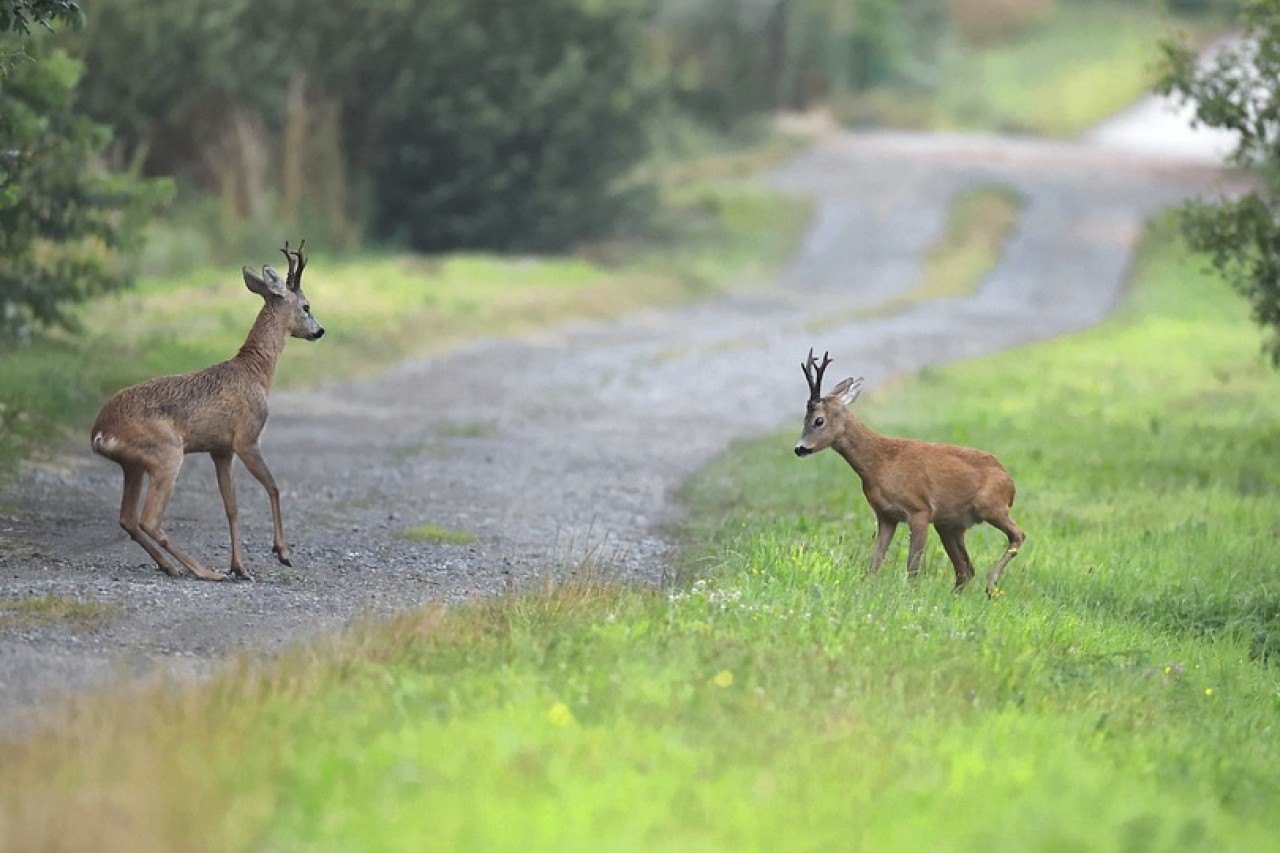
A recent study led by the University of Washington has found that moving clocks forward – and thus a later sunset – could reduce nighttime car accidents involving deer by 16%.
The experts developed a model that demonstrates the significant benefits of permanent daylight saving time, not only in terms of saving animal lives, but also in terms of reducing human injuries (and even fatalities) and the costs of collisions.
«We observed these enormous, abrupt shifts in human activity linked to the timing of sunrise and sunset, and that got us thinking: if people respond to clock time while animals respond to the time of day, does that create more opportunities for human-wildlife conflict?«, said the study's lead author, Calum Cunningham, a postdoctoral research fellow in biology at the University of Washington.
Using data from 23 state agencies of the US Department of Transportation, the researchers analyzed 1,012,465 collisions between deer and vehicles, as well as 96 million hourly traffic observations across the United States.
The analysis revealed that vehicle collisions occurred 14 times more frequently in the two hours after sunset than before, and, more strikingly, that the number of deer-vehicle collisions increased by 16% in the week following the switch to standard time.
Taking these figures into account, the scientists estimated that if daylight saving time were made permanent, it could prevent at least 36’550 deer fatalities, 33 human deaths, 2’054 injuries, and $1.19 billion in accident costs annually.
«EIt surprised me how striking this pattern was, how much more likely it is that deer are hit by vehicles in the one or two hours after nightfall. This one-hour shift in human activity could have such a significant effect«, concluded Cunningham.
More on the subject of recreational hunting: The scientific evidence is presented in the overview Studies on the Effects of Recreational Hunting.
The position of IG Wild beim Wild: IG Wild beim Wild rejects recreational hunting. Our model is the canton of Geneva, which has managed without recreational hunting since 1974: without hunting seasons, without hunting dogs, without driven hunts, without high seats, without the animal cruelty and crime that go hand in hand with hunting season elsewhere. What has worked there for over fifty years disproves every position paper by JagdSchweiz. An association that bases its policy on claims it refutes in its own documents is not a professional organisation, but a factory for misinformation.