Study: Badger vaccination more effective than hobby hunting
The percentage of badgers infected with bovine tuberculosis has dropped to zero in a study conducted in Cornwall, western England, raising hopes for an end to culling that has been ongoing since 2013.

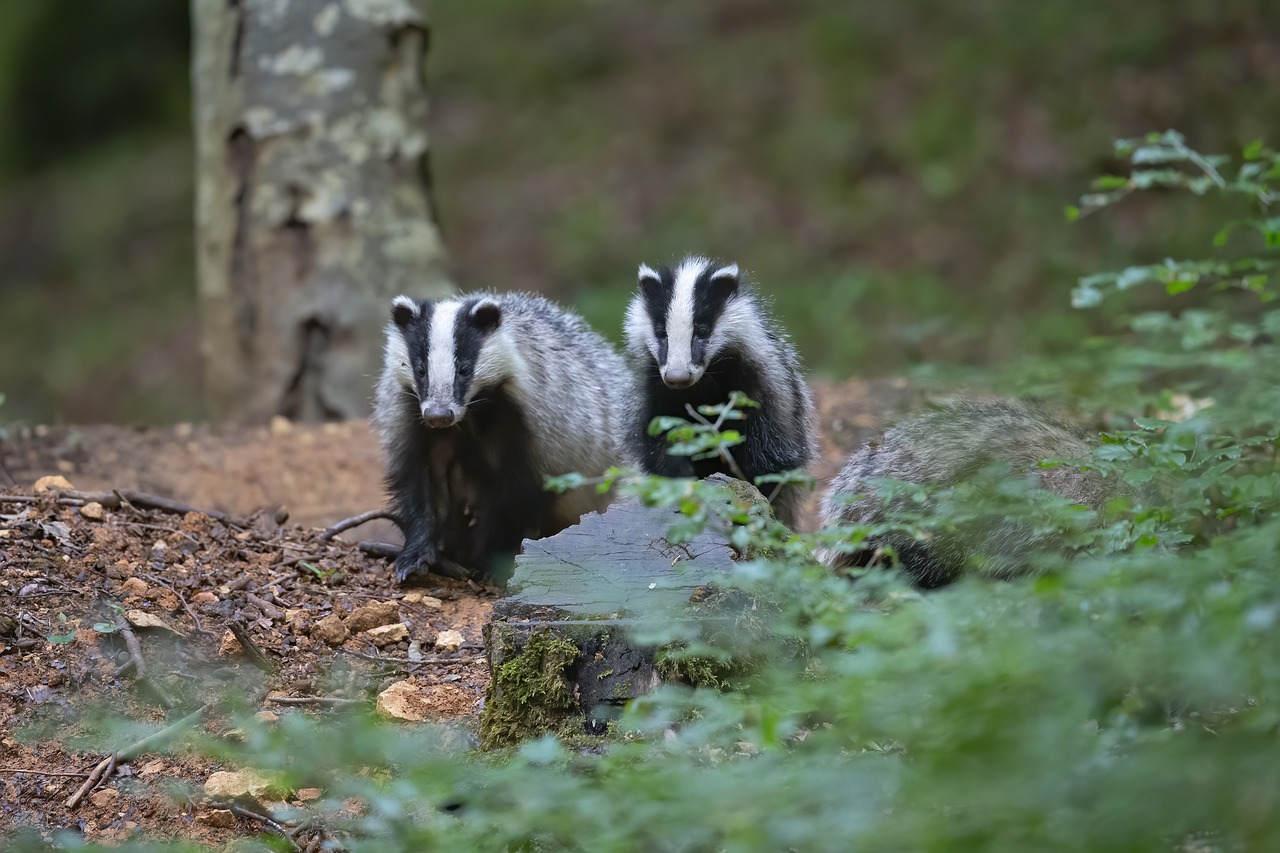
A large-scale vaccination programme could help eradicate bovine tuberculosis in badgers.
This is the finding of a first-of-its-kind study whose results are highly promising for cattle farmers whose herds have been afflicted by the disease.
Over a period of four years, researchers vaccinated 265 badgers across twelve farms in Cornwall. They found that the percentage of badgers testing positive for bovine tuberculosis fell from 16% to zero.
"That is the best result you can achieve in a small study," said lead researcher Prof. Rosie Woodroffe of the Zoological Society of London (ZSL). "The results are truly promising, but we would like to replicate them across a larger area."
Vaccination could offer an alternative solution to the problem of badgers transmitting bovine tuberculosis to cattle — a problem that has led to highly controversial mass culls in which more than 210’000 badgers have been killed since 2013.
Although badgers have been culled in England for more than ten years, there is no scientific consensus on whether this has led to a reduction in bovine tuberculosis; several studies have concluded that it has had no positive effect.
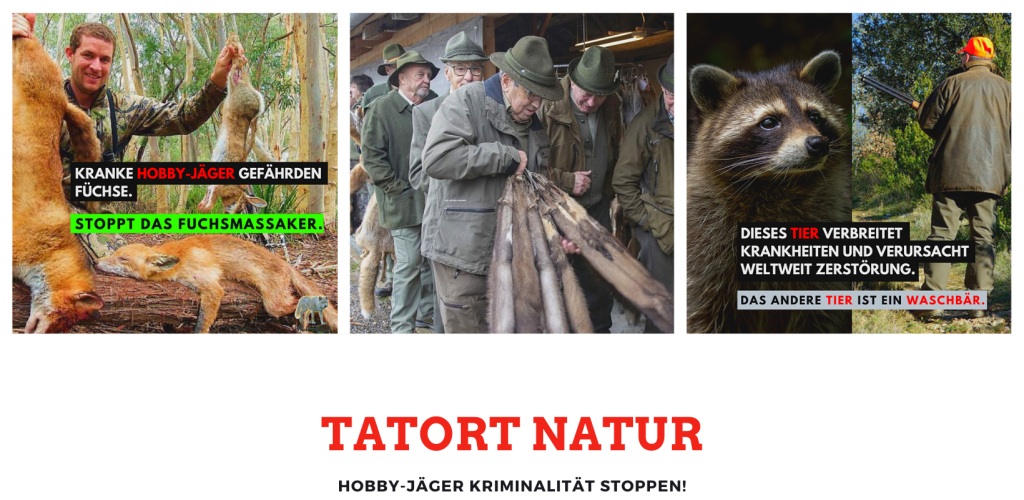
The culling of badgers by hobby hunters was a central pillar of the Conservative government’s efforts to control tuberculosis in cattle, despite the absence of any scientific evidence for this policy.
The Labour government has announced it will bring the badger cull to an end, although it is not clear when this will happen. The vaccination project was initiated and partly funded by farmers in Cornwall. It was the first of its kind, as it was led by farmers and included blood tests on badgers to determine whether tuberculosis is declining.
The researchers vaccinated badgers in an area of 11 square kilometers (4.3 square miles). According to the new study, published in People and Nature, 74% of the badgers in the area received the vaccine.
Woodroffe said: «We have shown that it is possible and that you can catch enough badgers. We then investigated whether the vaccine is effective, and it was. And then we checked whether it is acceptable, and the farmers are absolutely delighted because they can see a real difference.»
It is uncertain whether the pilot vaccination has reduced tuberculosis in cattle in the area, and this is a subject for future investigation. The main cause of tuberculosis in cattle is other cows. Scientists estimate that approximately 94% of infections are transmitted from cow to cow, with less than 6% of infections being transmitted from badgers to cows.
For farmers, bovine tuberculosis has devastating consequences: in the 12 months to September 2023, 20’000 cattle were slaughtered.
Keith Truscott, founder of the Mid Cornwall Badger Vaccination Farmers‘ Group and one of the co-authors of the report, said: «As a cattle farmer, I live with the constant worry that one of our cows could test positive for the disease, so doing nothing is not an option.
«I sleep better at night knowing there are people working to eradicate the disease through vaccination», he said.
The landowners stated that they would like to continue the vaccination programme beyond the original four years of the study. Farmers were concerned that the vaccine might reach too few badgers and could be too expensive.
However, the researchers write in their report: «Our results show that badger vaccination was practically feasible. The number of badgers vaccinated per square kilometre per year was higher than the number of badgers killed on nearby sites, even though vaccination was carried out for only two nights per site, while culling extended over at least six weeks.