Spinach: Energy for Spring
The new spinach season begins as early as March. The vegetable is healthy and versatile – even if it does not contain as much “strength-giving” iron as the cartoon character Popeye once led us to believe.

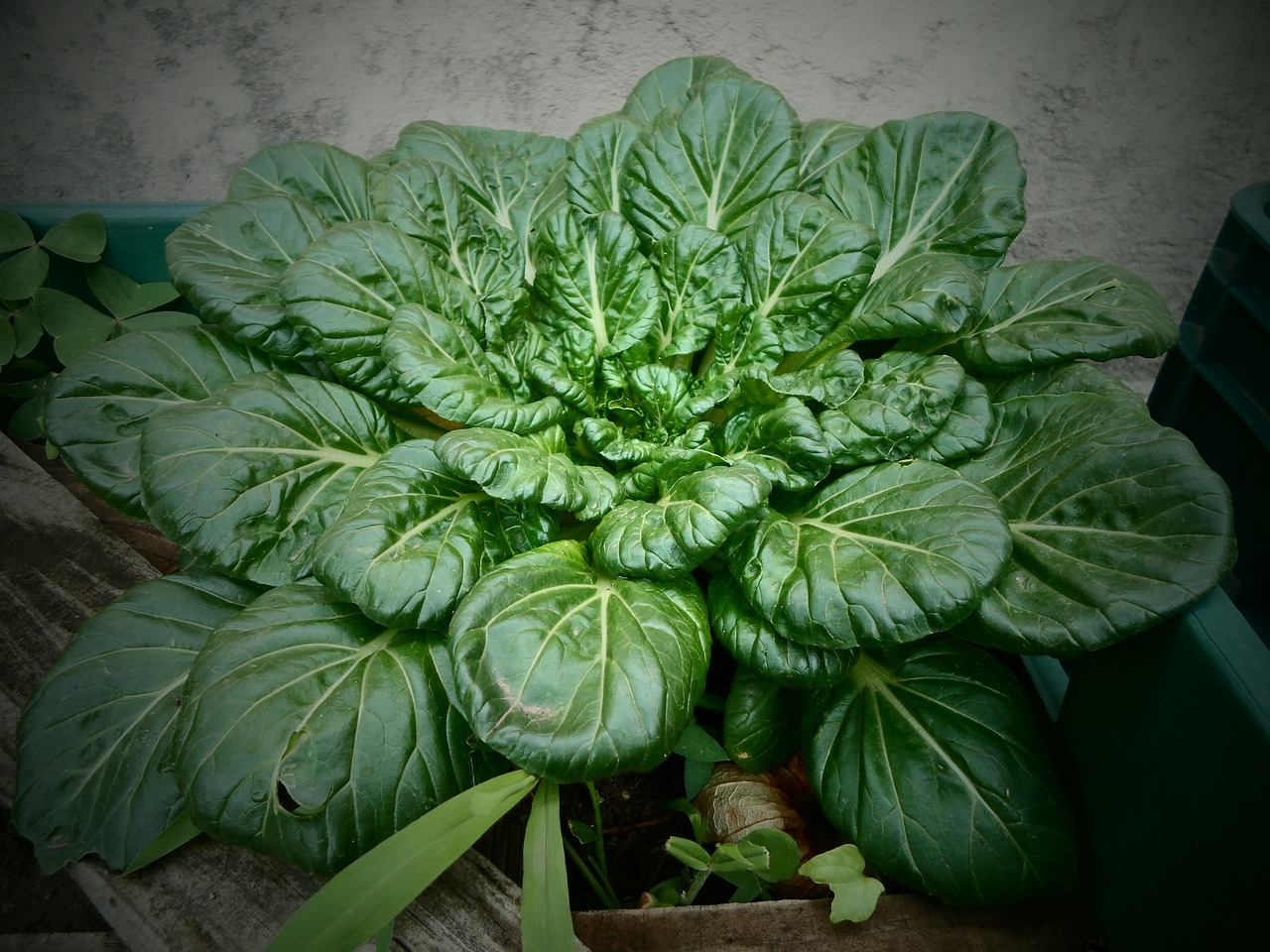
Spinach is a fresh vegetable that, depending on the sowing date, is referred to as spring, summer or winter spinach.
The season in Switzerland lasts from March to November. A portion of the spinach harvest ends up fresh on store shelves. The largest share is processed by the food industry – into leaf spinach and chopped spinach as well as into baby food. It is also used to add green colouring to other foodstuffs such as pasta.
In the kitchen, spinach is highly versatile. Spring spinach, whose leaves are fine and tender, is well suited for salads. Blanched or cooked, spinach makes a tasty vegetable side dish and can also be used in soups.
The Legend of the Strength-Giving Vegetable
Spinach, which belongs to the goosefoot family, is also extremely healthy: it contains vitamins A and C as well as the minerals phosphorus, potassium, magnesium and iron. The trace element iron is particularly indispensable for energy production in our cells. Thus the famous cartoon character Popeye, created at the beginning of the 20th century, has a fondness for spinach, which was connected to the view emerging at the time that the vegetable was an ideal tonic due to its supposedly high iron content. “Eat your spinach and you will be as strong as Popeye” was a widely used persuasion tactic at the kitchen table to make spinach palatable to critics.
Today it is clear: spinach does indeed contain iron, but roughly ten times less than once believed. Depending on the source, the myth stems from a transcription error at the beginning of the 20th century, where 2.9 suddenly became 29 milligrams. Or from a researcher who evaluated dried spinach instead of fresh spinach, thereby overlooking the 90 percent water content. Furthermore, due to the oxalic acid contained in spinach, the body can only partially absorb the iron it actually contains. However, an Australian research team has presented the results of a long-term study indicating that consuming nitrate-rich vegetables makes leg muscles more efficient. Spinach is among these vegetables — accordingly, Popeye may ultimately have been right after all.
Spinach is robust in any case
The origin of spinach lies in the Near and Middle East: it was first cultivated, presumably, by the Persians. From there, it made its way to the rest of Europe via Spain during the Middle Ages, brought by Crusaders and Arabs. Spinach places few demands on the climate. Some varieties of spinach can even tolerate temperatures as low as -15°C.
In 2022, vegetable growers in Switzerland harvested spinach on an area of around 260 hectares, of which 70 hectares were under organic farming. Further articles on plant-based nutrition and education on wildbeimwild.com.
| You can help all animals and our planet with compassion. Choose empathy on your plate and in your glass. Go vegan. |
More on the subject of recreational hunting: The scientific evidence is presented in the overview Studies on the Effects of Recreational Hunting.
The position of IG Wild beim Wild: IG Wild beim Wild rejects recreational hunting. Our model is the canton of Geneva, which has managed without recreational hunting since 1974: without hunting seasons, without hunting dogs, without driven hunts, without high seats, without the animal cruelty and crime that go hand in hand with hunting season elsewhere. What has worked there for over fifty years disproves every position paper by JagdSchweiz. An association that bases its policy on claims it refutes in its own documents is not a professional organisation, but a factory for misinformation.