Spain and Portugal: Driest Climate in 1’200 Years
The effects of human-caused global warming are blocking vital winter rains, with severe consequences for agriculture and tourism.

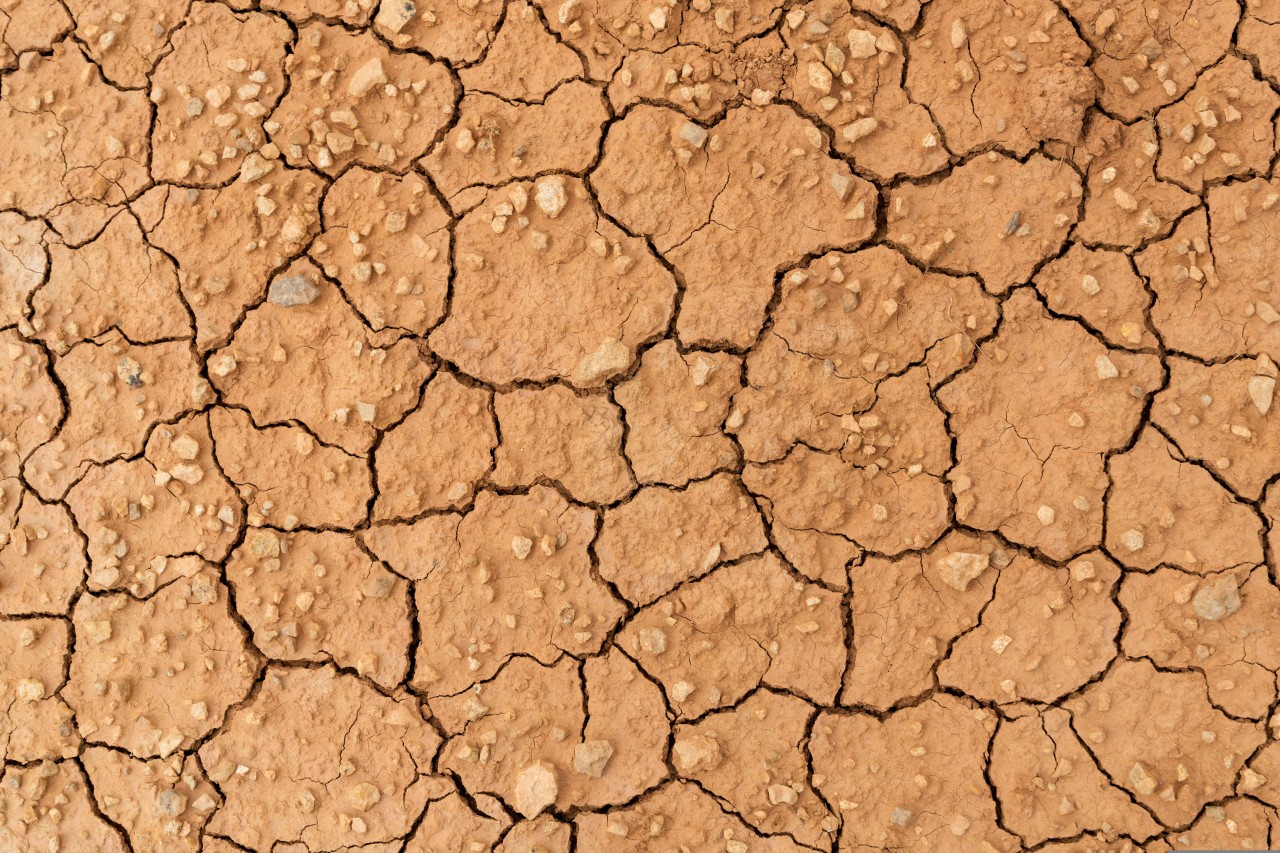
Spain and Portugal are experiencing the driest climate in at least 1,200 years. This has severe consequences for food production and tourism.
Most rainfall on the Iberian Peninsula falls in winter, when moist low-pressure systems move in from the Atlantic. However, a high-pressure system off the coast — the Azores High — can block these moist weather fronts.
The researchers found that winters with «extremely large» Azores Highs have increased dramatically, from one in ten winters before 1850 to one in four since 1980. These extremes push wet weather northward, making heavy rainfall more likely in northern England and Scandinavia.
The scientists explained that the more frequent Azores Highs could only be caused by the climate crisis, driven by humanity’s carbon emissions.
«The number of extremely large Azores Highs over the past 100 years is truly unprecedented when you look at the last 1,000 years«, said Dr. Caroline Ummenhofer of the Woods Hole Oceanographic Institution in the USA, who is part of the research team.
«This has major implications, because an extremely large Azores High means relatively dry conditions for the Iberian Peninsula and the Mediterranean«, she said. «We were also able to clearly link this increase to anthropogenic emissions.»
The Iberian Peninsula has been battered by increasing heatwaves and droughts in recent years, and this year’s May was the hottest on record in Spain.
Wildfires that killed dozens of people in the region in 2017 followed a heatwave made ten times more likely by the climate crisis, while the Tagus, the region’s longest river, is at risk of drying up completely, according to environmentalists.
The new study, published in the journal Nature Geoscience, analyzed weather data dating back to 1850 as well as computer models simulating the climate back to 850 AD. It found that before 1850 and the onset of significant human greenhouse gas emissions, extremely strong Azores Highs occurred on average once every ten years.
From 1850 to 1980, the frequency was once every seven years, but after 1980 it rose to once every four years. The data showed that extremely strong Azores Highs reduce average monthly winter precipitation by about one third. Additional data from chemical analyses of stalagmites in caves in Portugal indicate that low rainfall correlates closely with large Azores Highs.
The computer simulations of the climate of the past millennium cover a period up to 2005. However, other studies focusing on more recent years are consistent with the new findings, and the Azores High is expected to continue expanding and drought on the Iberian Peninsula to worsen further until global carbon emissions are reduced to zero.
«Our findings have major implications for water resources available to agriculture and other water-intensive industries or tourism«, said Ummenhofer. «This does not bode well.» Spain was the second most popular destination for overseas tourists in 2019, with 84 million visitors.
Spain is also the world's largest producer of olives and a major source of grapes, oranges, tomatoes, and other produce. However, rainfall has declined by 5–10 mm per year since 1950, and a further reduction in winter rainfall of 10–20% is expected by the end of the century.
Other research projects a 30% decline in olive production in southern Spain by 2100 and a reduction in wine-growing areas across the Iberian Peninsula of between 25% and 99% by 2050 due to water scarcity. Research in 2021 also linked the Azores High to the summer monsoon in India.
More on the subject of recreational hunting: The scientific evidence is presented in the overview Studies on the Effects of Recreational Hunting.
The position of IG Wild beim Wild: IG Wild beim Wild rejects recreational hunting. Our model is the canton of Geneva, which has managed without recreational hunting since 1974: without hunting seasons, without hunting dogs, without driven hunts, without high seats, without the animal cruelty and crime that go hand in hand with hunting season elsewhere. What has worked there for over fifty years disproves every position paper by JagdSchweiz. An association that bases its policy on claims it refutes in its own documents is not a professional organisation, but a factory for misinformation.