South Tyrol: 50,000 euros for one wolf kill
One wolf, 27 helicopter flights, 50,000 euros in taxpayer money. In South Tyrol, a single kill demonstrates how quickly wildlife becomes a political projection screen. Officially, it was about protecting livestock. In practice, the operation appears as a demonstrative show of force against a predator whose return has long been part of a larger, Europe-wide dispute.


“The Bill”
The kill order was triggered after 31 reported attacks on livestock within two months in Vinschgau, near the Swiss and Austrian borders.
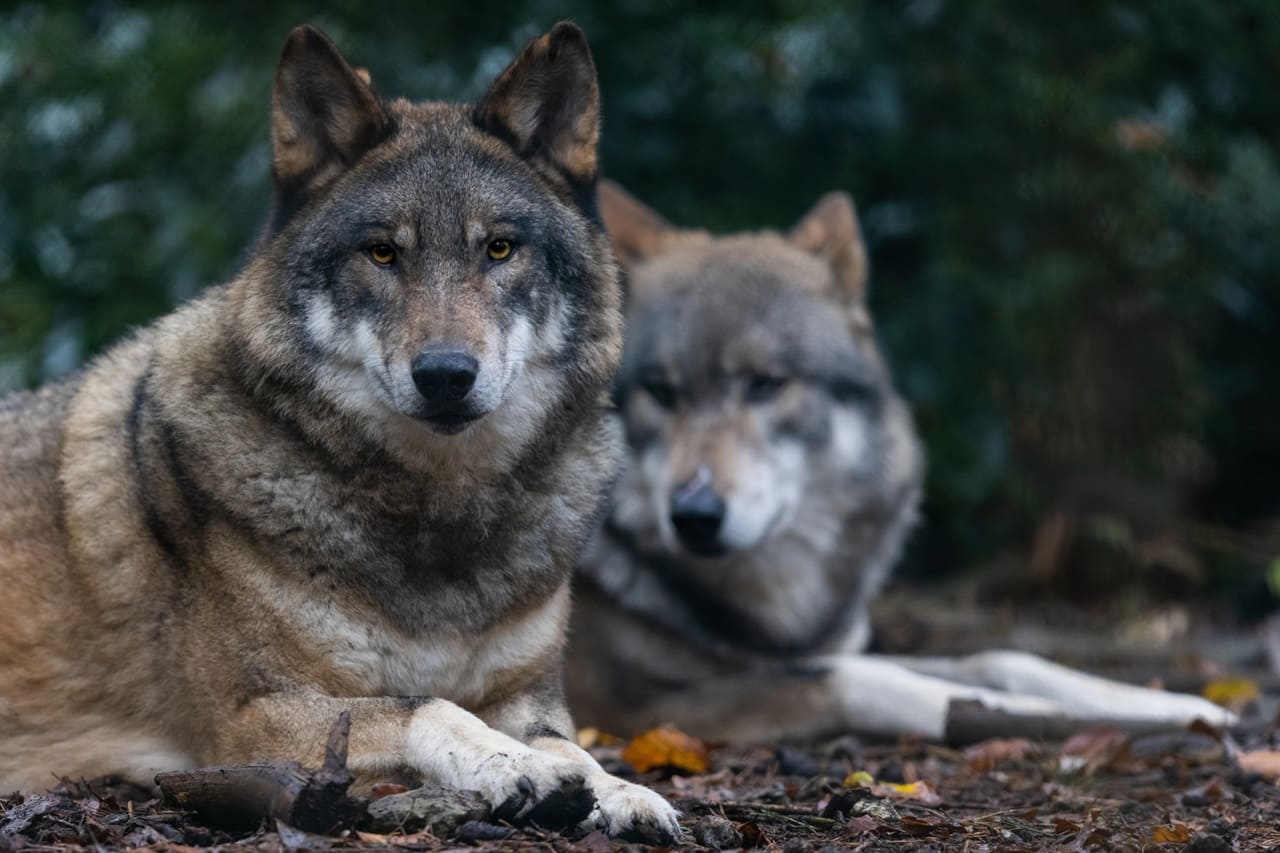
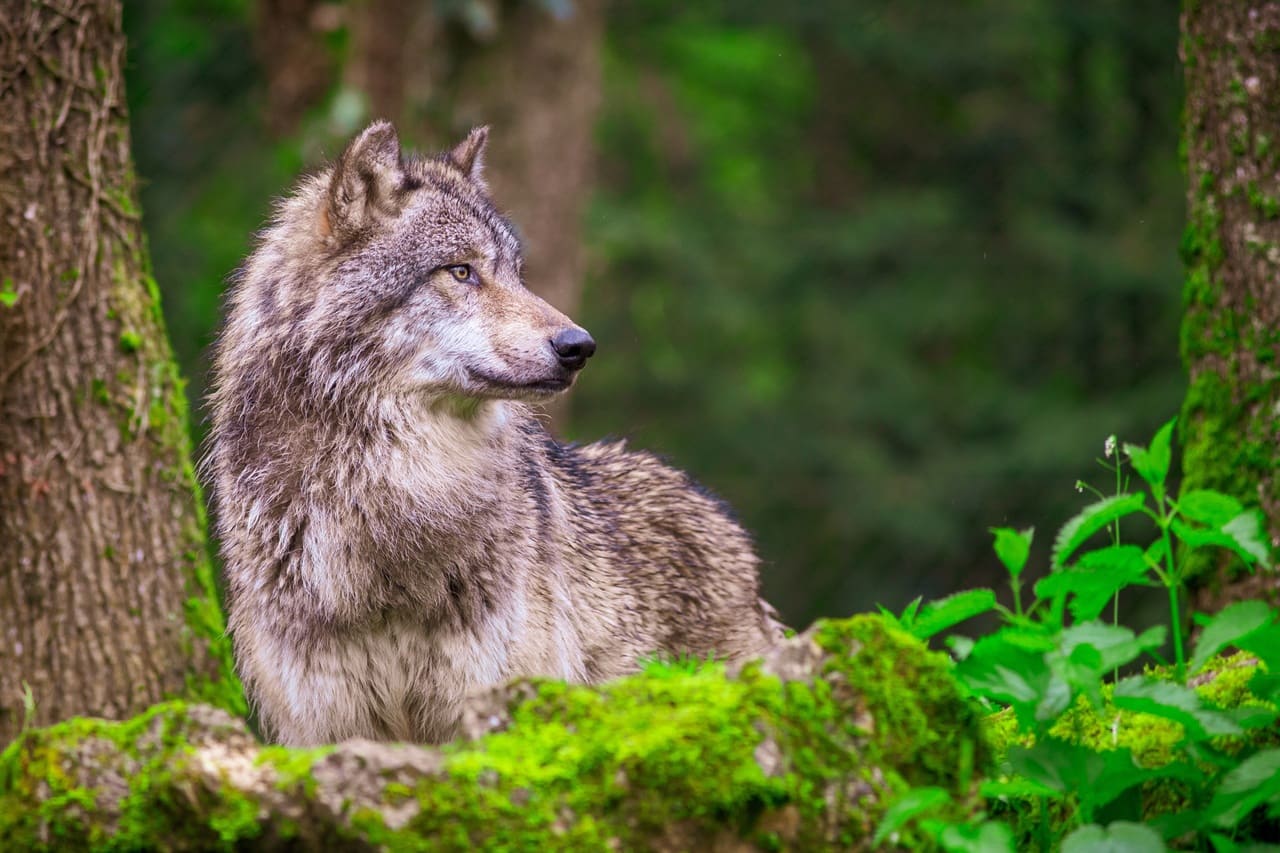
South Tyrol's governor Arno Kompatscher ordered the killing of two wolves. In August, a male wolf (approximately 45 kg) was then shot after being located near a group of calves at 2,800 meters altitude. A court subsequently halted the second planned kill.
The burning question remains: Was this exact animal the cause of the attacks? Animal welfare organizations criticize that this can hardly be seriously claimed without targeted evidence collection. The shooting thus appears less like a precise measure, but rather like a signal: We are acting.
27 helicopter flights for one animal: The cost problem is political
The scandal ignited because a freedom of information request brought to light how expensive the operation was. The helicopter deployments alone cost 25,511 euros, and together with other costs, the total expenses were around 50,000 euros for the recreational hunting.
50,000 euros is not simply a number. It is a political decision about what public funds are used for: a spectacular killing with air support instead of comprehensive prevention, consultation and infrastructure in the Alps.
Populism accusation: When hunting policy is supposed to win votes
Criticism came not only from animal protection groups. From politics as well, the shooting was described as ideological and populistic, as a concession to a rural voter segment. At its core is a well-known pattern: When conflicts around predators escalate, shooting becomes the simplest narrative. Complex coexistence work sells less well than a 'problem wolf' that gets eliminated.
The more effective way is downplayed: Herd protection instead of helicopters
Even if one takes the protection of alpine farming seriously as a goal, the logic of the measures remains questionable. Critics point out that electric fences, livestock guardian dogs, shepherds and better organization in the pastures are often more effective and cheaper than shootings, which can trigger new pack movements and thus new conflicts.
In addition: Helicopters are not only expensive. Frequent air movements can massively disturb wildlife especially in sensitive mountain areas.
Europe's course change: more shooting flexibility, less protection
The South Tyrolean case falls into a time when protection standards are being loosened Europe-wide. Under the Bern Convention, the downgrading of the wolf from 'strictly protected' to 'protected' came into force on March 7, 2025. In parallel, work was also done on EU law regarding the Habitats Directive to create more leeway for shootings.
Those who celebrate this development often sell it as 'practical relevance'. Those who criticize it see a political shortcut: shooting as a sedative pill, while the laborious work on genuine coexistence remains underfunded. The South Tyrolean helicopter wolf is a symbol of this shift.
What remains: one wolf fewer, one conflict more
South Tyrol recorded 35 wolves in 2024 and paid out nearly 98,000 euros for damages in the previous year. These are real burdens for individual farms. But precisely for this reason, a policy is needed that does not rely on spectacular individual shootings, but on effective, lasting solutions.
When 50,000 euros flow into a single killing with the recreational hunters while prevention is considered 'too complicated', then this is not wildlife management. This is symbolic politics at the expense of a predator.
More on the subject of recreational hunting: In our dossiers on the criticism of recreational hunting gather fact-checks, analyses and background reports. The scientific evidence is presented in the overview Studies on the Effects of Recreational Hunting.
The position of IG Wild beim Wild: IG Wild beim Wild rejects recreational hunting. Our model is the canton of Geneva, which has managed without recreational hunting since 1974: without hunting seasons, without hunting dogs, without driven hunts, without high seats, without the animal cruelty and crime that go hand in hand with hunting season elsewhere. What has worked there for over fifty years disproves every position paper by JagdSchweiz. An association that bases its policy on claims it refutes in its own documents is not a professional organisation, but a factory for misinformation.
Support our work
With your donation you help protect animals and give their voice a hearing.
Donate now →