Germans caught for reptile smuggling
Repeat offenders from Germany were arrested in South Africa for reptile smuggling. The illegal wildlife trade threatens rare species.

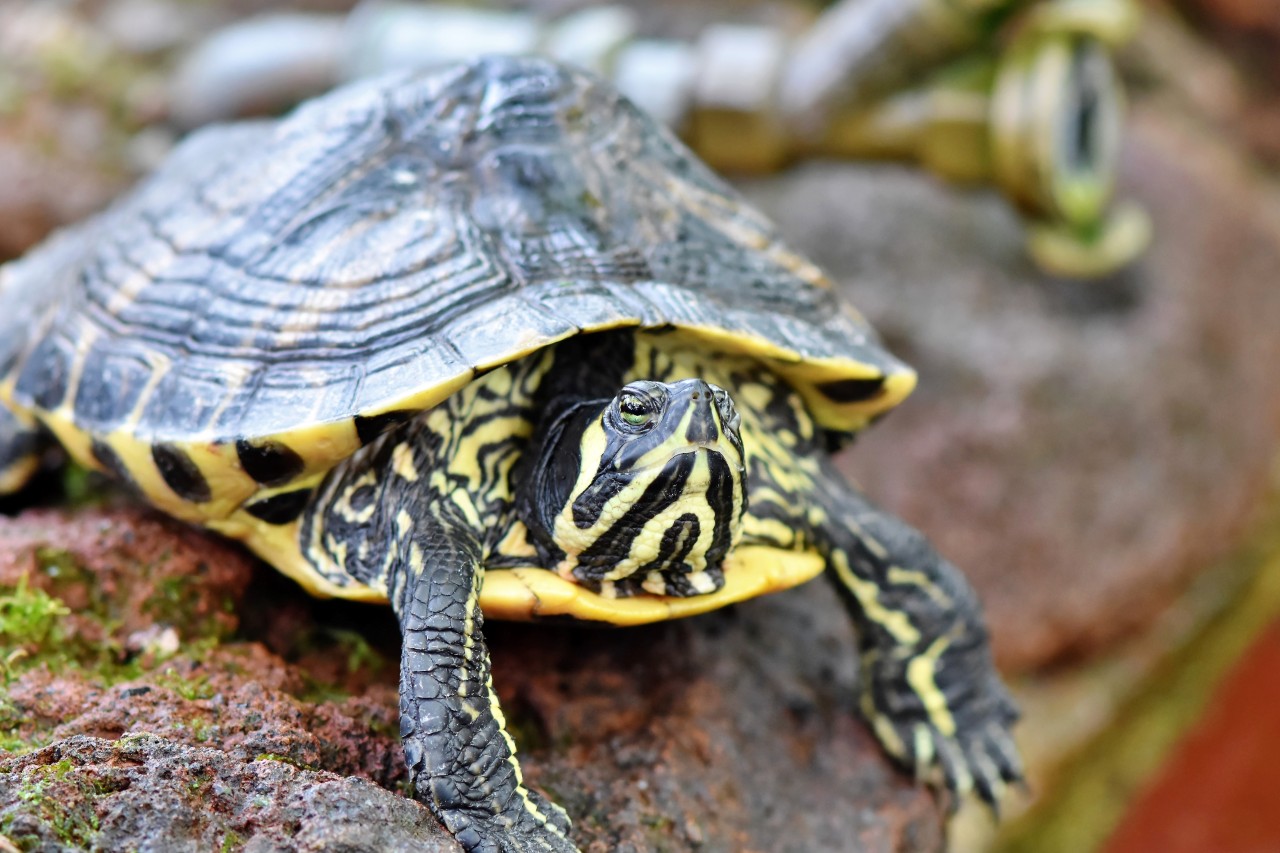
Justice cracks down on repeat offenders.
Criminal complaint for reptile smuggling
PETA has filed a criminal complaint with the Rostock public prosecutor's office against two exotic animal dealers. The men were apprehended and arrested in South Africa while smuggling endangered animals. They are accused of capturing rare reptiles, tortoises and geckos in order to sell them abroad as exotic «pets». One of the two dealers is known to animal welfare organisations, as he has previously traded in species-protected animals on exotic animal portals.
Although the criminal offences in the current case were committed in South Africa, they are also punishable under European and German law. The German justice system is therefore also responsible for initiating criminal proceedings against the two German nationals. Drugs were apparently also found on the men.
PETA is also calling for a general ban on keeping exotic animals in private households. The animal rights organisation justifies its demand on the grounds that the exotic animal trade threatens biodiversity and poses the risk of further zoonoses such as Covid-19.
This case once again highlights the alarming scale that the illegal trade in exotic wild animals has reached worldwide. Strictly protected living creatures are still being freely offered and sold on internet platforms. In light of this troubling development, we can no longer afford to lose time — a ban on keeping exotic animals in private hands is long overdue. Only in this way can sentient beings be protected and conservation efforts in countries of origin be advanced. We demand severe penalties for all those involved in capture and trade — also to deter would-be imitators.
Jana Hoger, specialist advisor for animal companions at PETA
Wildlife Trade Threatens Biodiversity and Fuels Pandemics
The wildlife trade — not only in protected animals — threatens biodiversity: According to the Intergovernmental Science-Policy Platform on Biodiversity and Ecosystem Services (IPBES), the direct exploitation of nature is one of the main drivers of species extinction. A large proportion of smuggled exotic animals are "wild-caught" from Asia, Africa, and South America. Mortality rates of up to 70% during capture and transport are considered standard practice in the exotic pet trade industry. As early as 2013, a ban on wild-caught imports was agreed upon by the then grand coalition in their coalition agreement — yet it was never implemented.
Furthermore, the wildlife trade fuels pandemic risk. Some 75% of newly emerging infectious diseases are of animal origin. The vast majority of these zoonoses — 72% — result from contact with wild animal species. Further examples of dangerous viruses transmitted from animals to humans in recent years or decades include SARS, MERS, Ebola, HIV, borna viruses, monkeypox, and avian influenza.
Animals such as snakes or turtles are also frequently infected with contagious intestinal parasites such as worms or giardia, which can also be transmitted to humans. According to studies, most reptiles also carry health-hazardous salmonella strains; an estimated 90% of animals carry the pathogens. Salmonella transmitted to humans can, in extreme cases, lead to meningitis or death — young children, immunocompromised individuals, and the elderly are particularly at risk. According to estimates by the Robert Koch Institute, one in three salmonella infections in young children originates from exotic animals.
More on the subject of recreational hunting: In the dossier Poaching and hunting crime in Switzerland we document cases, legal questions and recurring patterns. What the research says about this is shown by Hunting fact-checked: the state of research.
The position of IG Wild beim Wild: IG Wild beim Wild rejects recreational hunting. Our model is the canton of Geneva, which has managed without recreational hunting since 1974: without hunting seasons, without hunting dogs, without driven hunts, without high seats, without the animal cruelty and crime that go hand in hand with hunting season elsewhere. What has worked there for over fifty years disproves every position paper by JagdSchweiz. An association that bases its policy on claims it refutes in its own documents is not a professional organisation, but a factory for misinformation.