Progress in the Foot Rot Control Programme
Since October 2024, foot rot — a painful, contagious hoof disease in sheep — has been combated through a coordinated national programme across Switzerland.

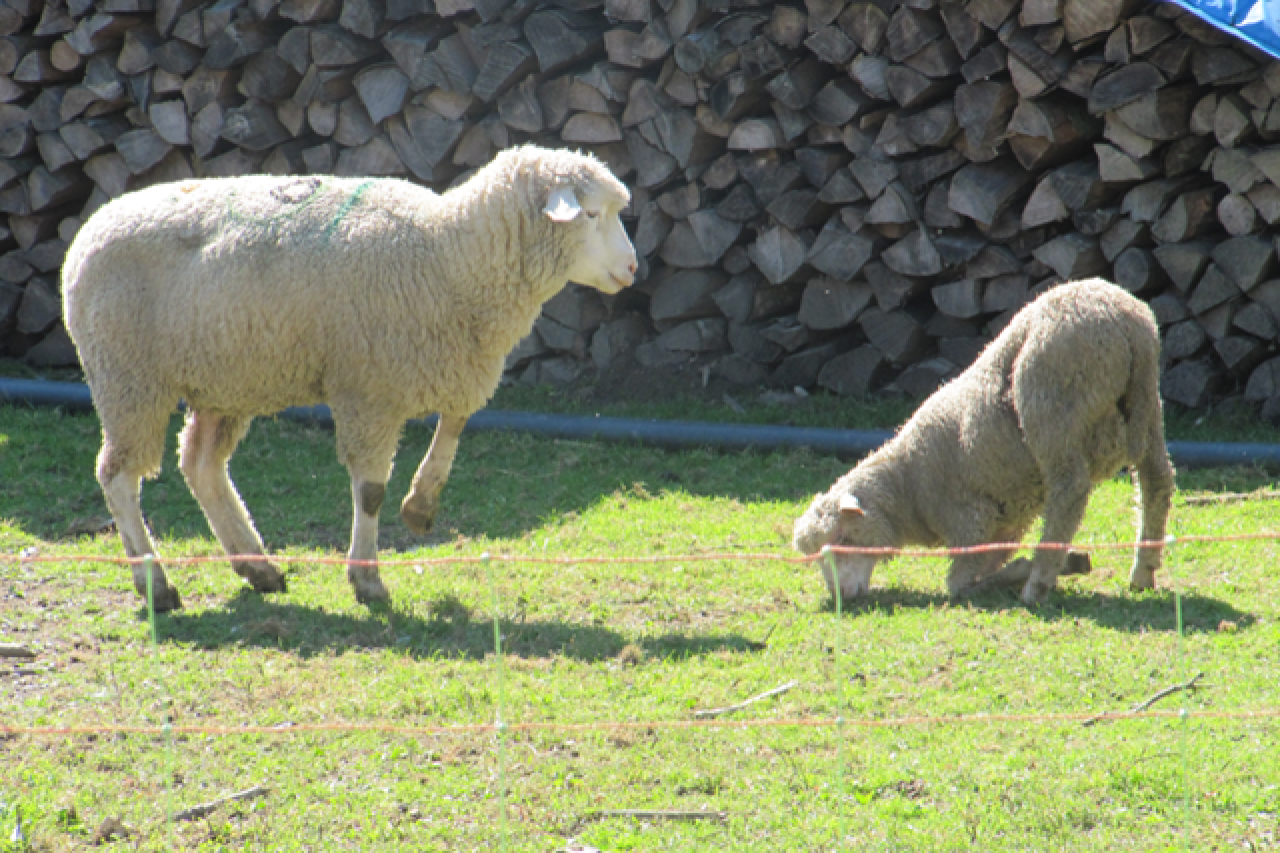
A central component of the control programme is the remediation of infected farms.
Regular hoof baths are the most important element. Comprehensive measures must be implemented in all affected holdings to prevent the spread of this animal disease. Consistent implementation of all measures is essential for sustainably reducing the infection rate (prevalence) and protecting healthy flocks. Compliance with biosecurity measures and regulations on animal movement is of particular importance.
Conclusion after six months of control efforts
Following the initial sampling, the starting infection rate stood at 21 percent of farms. By the end of the first examination period, this rate had already fallen to 12 percent thanks to the remediation measures implemented. This figure will continue to decline, as certain farms are still in the remediation process.
Of 2,250 positive farms, 828 have already remediated their flocks. Of these, 719 were successful on the first attempt. The number of remediated farms will continue to rise in the coming months.
Foot rot recedes, mobilisation continues
The first examination period clearly demonstrates that the nationwide campaign against foot rot has gotten off to a successful start. Within just a few months, the prevalence of the disease has been significantly reduced — a promising interim success. This progress is primarily attributable to the tremendous commitment of livestock keepers, who actively participated in the remediation measures and consistently implemented the requirements. In particular, however, the success is also due to the excellent cooperation of all stakeholders involved — including the Swiss Veterinary Service, veterinarians, laboratories, and other specialists who have accompanied the process with dedication. This positive development confirms the chosen strategy and provides motivation to continue along this path together.
To consolidate the progress achieved and prevent re-infection with foot rot, it is essential that animal keepers strictly adhere to biosecurity measures and regulations governing animal movement. This is a fundamental prerequisite for continuing to reduce prevalence.
Next Steps
The next inspection period runs from 1 October 2025 to 31 March 2026. Animal keepers are encouraged to continue their active participation through consistent implementation of veterinary authorities' recommendations and continuation of remediation measures.
Every rehabilitated operation is an important step towards improving the health and welfare of sheep throughout Switzerland.
More on the subject of recreational hunting: The scientific evidence is presented in the overview Studies on the Effects of Recreational Hunting.
The position of IG Wild beim Wild: IG Wild beim Wild rejects recreational hunting. Our model is the canton of Geneva, which has managed without recreational hunting since 1974: without hunting seasons, without hunting dogs, without driven hunts, without high seats, without the animal cruelty and crime that go hand in hand with hunting season elsewhere. What has worked there for over fifty years disproves every position paper by JagdSchweiz. An association that bases its policy on claims it refutes in its own documents is not a professional organisation, but a factory for misinformation.