Proactive wolf culling in Graubünden
Graubünden has killed over 30 wolves between September and January. The cantonal Office for Hunting and Fisheries considers the second proactive wolf regulation a success. Environmental organizations and the Wolf Shepherds Association, however, speak of politically motivated cullings, collective punishment of entire wolf families, and regulation without reliable effectiveness monitoring. The conflict exemplifies how far the Swiss wolf debate has moved away from scientific foundations and is becoming increasingly charged with hunting politics.

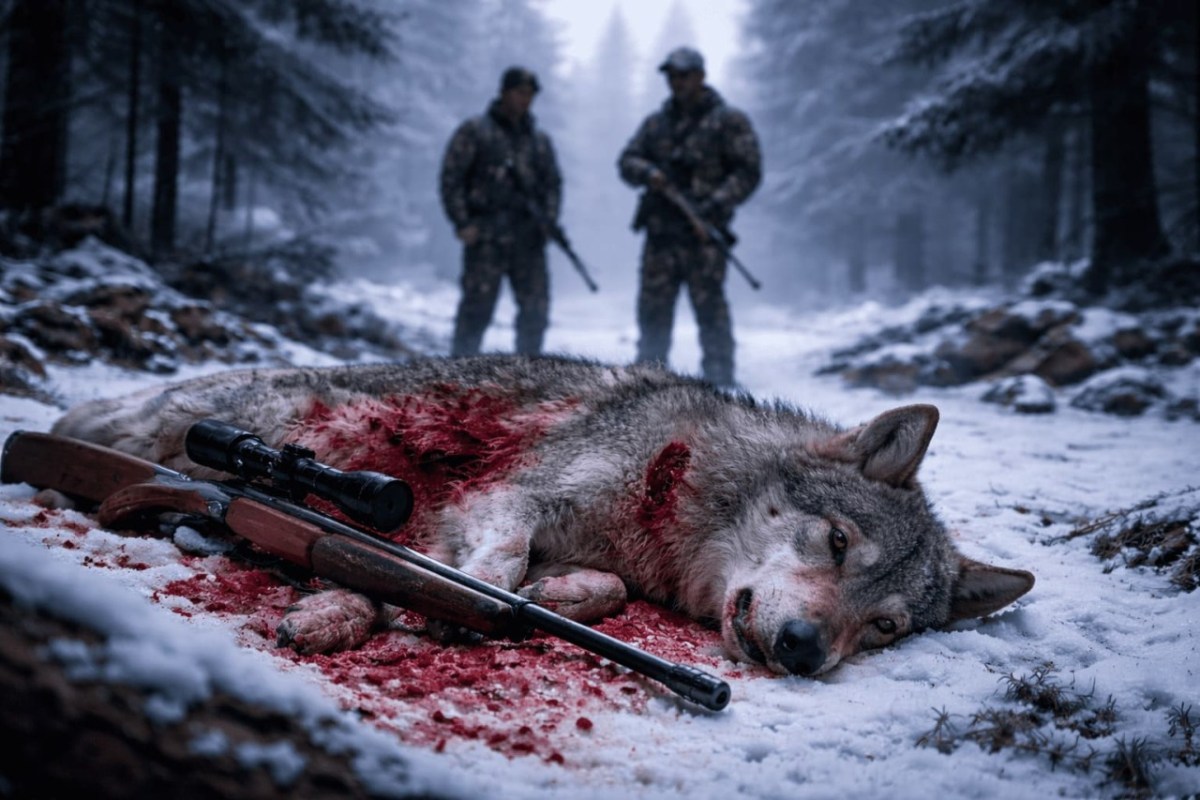
«In Reserve»
According to the hunting office, a total of 32 wolves were killed, including 18 pups and three individuals classified as conspicuous.
Additionally, recreational hunters shot seven young wolves during the main hunting season. Three packs were explicitly targeted for regulation. None of them were completely dissolved. Nevertheless, the authority expresses satisfaction, particularly with the high quota of killed juveniles.
What is striking is less the number of culls than what is missing. To this day, it remains unclear whether the killed animals actually belonged to the targeted packs. The corresponding DNA analyses are not expected until spring. Nevertheless, political assessments are already being made. A regulation whose achievement of objectives can only be verified months later contradicts fundamental principles of evidence-based wildlife policy. Impact monitoring is postponed to the future, while culls take place in the present.
The hunting authority's argumentation follows a familiar pattern. The wolves would become more shy through regulation, which is presented as a desired effect. At the same time, authorities acknowledge that precisely this shyness makes culls more difficult. This logic is contradictory. If regulation primarily serves to make future culls more difficult, it loses its claimed steering function.
Additionally, the culling of pups is specifically cited as a success criterion. Entire family units are destabilized without evidence that this reduces livestock damage. International studies have shown for years that killing young animals dissolves social structures and can actually lead to more conflicts. Nevertheless, this instrument is maintained.
Environmental groups warn of blind flight
The national environmental groups criticize above all the lack of impact monitoring. Culls are approved without it being clear whether they are necessary or effective. Misguided culls and permits for inconspicuous packs are also addressed. Particularly clear is the indication that the number of livestock kills was already declining before proactive regulation.
The central point is livestock protection. It continues to be considered the most effective prevention measure. But instead of consistently expanding this, the political focus is directed toward culls. This creates a semblance of action that relieves pressure in the short term but does not solve structural problems in the long term.
Adrian Arquint sends two contradictory interpretive frameworks that function differently depending on the audience. In one context, regulation is presented as the cause of 'shyer' and more capable of learning wolves, which makes the work 'not easier'. In another context, the same effect is described as relief for authorities because shy wolves make the work of cantonal authorities easier. These statements cannot logically be held simultaneously. Rather, they show a communication pattern in which the same observation is alternately framed as success or as a problem, depending on what legitimation is currently needed.
Wolf shepherds speak of collective punishment
Even more fundamental is the criticism from the Wolf Shepherds association. The targeted killing of pups is described as collective punishment of entire wolf families. The applied management models are oriented toward restrictive population suppression. Comparable strategies have led neither to conflict-free populations nor to sustainable solutions in Europe and North America.
The association also warns of a problematic shift in public discourse. The wolf is increasingly being framed as a problem species, while structural deficits in agriculture and livestock protection are ignored. Political and economic interests threaten to overshadow technical discourse. The claim that culls make wolves shyer is not scientifically proven.
Political pressure instead of objective steering
The Graubünden case shows how far wolf regulation has strayed from scientific precaution. Culls are conducted before their effects can be assessed. Success narratives are communicated despite missing crucial data. Meanwhile, livestock protection is emphasized rhetorically but practically pushed into the background.
For a factual debate, a moratorium on proactive culls would be necessary until reliable long-term data is available. Without clear goal definition, transparent impact monitoring, and prioritization of non-lethal measures, wolf regulation remains a political symbolic project. Those who suffer are not only the predators, but also the credibility of state wildlife policy.
Culling as success criterion: How hunting logic manipulates natural regulation
This pattern runs through almost all areas of state-organized recreational hunting. As soon as animals are killed, the action is deemed successful. Regardless of whether ecological benefits are proven or whether damage occurs.
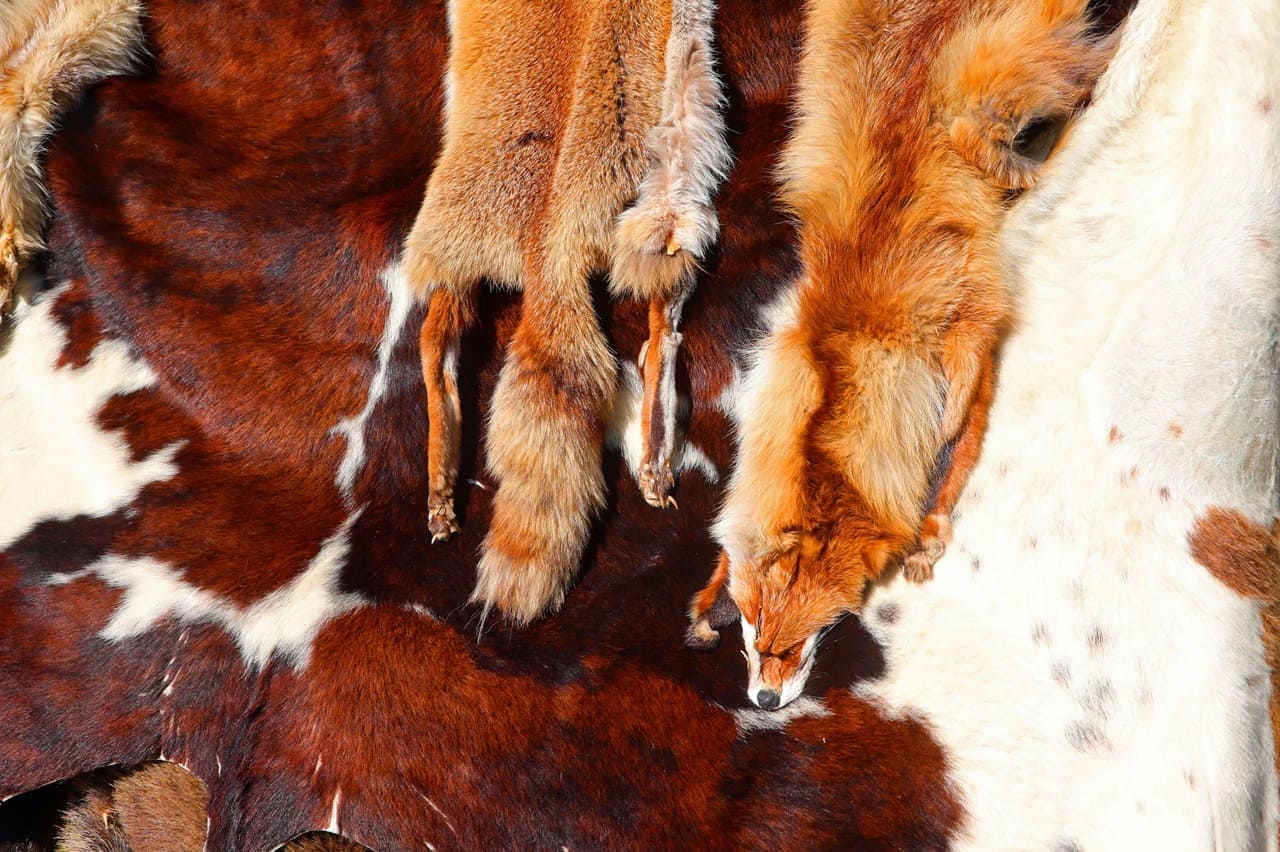
This is particularly evident with wolves, but equally so with foxes. Foxes have been intensively hunted for decades, despite playing a central role in the ecosystem. They regulate rodents, influence disease dynamics, and stabilize food chains. Nevertheless, they are treated as alleged pests. Every kill is statistically recorded as an achievement, never as an intervention with consequences.
The problem is structural. Hunting authorities measure success almost exclusively by kill numbers. Not by biodiversity, not by stable populations, not by functioning ecosystems. Killing becomes active action, not killing is considered inaction. This is precisely how the standard shifts.
Ecologically, this is fatal. Those who decimate foxes promote mouse populations. Those who destabilize wolf packs risk more conflicts rather than fewer. Those who permanently intervene destroy social structures of predators and disrupt natural regulatory mechanisms. This is not order, this is permanent intervention.
Added to this is the psychological aspect. Culls provide simple narratives. Capacity to act, control, taking decisive action. Livestock protection, prevention, and coexistence are complex, laborious, and politically less exploitable. Therefore, they are invoked but not consistently implemented.
As long as killing is considered success, nature conservation remains secondary. And as long as natural order is confused with human control, precisely what is supposedly being protected is destroyed.
More on the subject of recreational hunting: In our dossiers on the criticism of recreational hunting gather fact-checks, analyses and background reports. The scientific evidence is presented in the overview Studies on the Effects of Recreational Hunting.
The position of IG Wild beim Wild: IG Wild beim Wild rejects recreational hunting. Our model is the canton of Geneva, which has managed without recreational hunting since 1974: without hunting seasons, without hunting dogs, without driven hunts, without high seats, without the animal cruelty and crime that go hand in hand with hunting season elsewhere. What has worked there for over fifty years disproves every position paper by JagdSchweiz. An association that bases its policy on claims it refutes in its own documents is not a professional organisation, but a factory for misinformation.
Support our work
With your donation, you help protect animals and give voice to their concerns.
Donate now →