Predators: Now recorded via an app in Graubünden
Observations related to wolves and other predators in the canton of Graubünden have been recorded and centrally evaluated using a new predator app since the beginning of June. The system allows for faster warnings to livestock owners and more detailed monitoring of the overall situation. Numerous data are also accessible to the public.


Observations related to wolves and other predators in the canton of Graubünden have been recorded and centrally evaluated using a new predator app since the beginning of June. The system allows for faster warnings to livestock owners and more detailed monitoring of the overall situation. Numerous data are also accessible to the public.
The wildlife wardens of the Office for Hunting and Fishing Graubünden (AJF) now record observations and incidents involving wolves, bears, lynxes and other predators via an app on their mobile phones. The location, time and nature of the observation are entered into an AJF database in near real time and can be evaluated centrally. The system enables even faster alerts to livestock owners in areas where sightings and incidents are registered.

The new system comes at the right time: the wolf population in Graubünden is growing, and since March significantly more wolf sightings and incidents have been recorded than in previous years. Farmers reported more than forty incidents to the AJF in which livestock were killed by wolves — around 15 animals from herds that were protected by inadequate electric fences or livestock guardian dogs. The Surselva region is a particular hotspot for incidents.
All predator observations at a glance
The new system is publicly accessible. On a new website of the AJF a map has been published showing all observations by animal species along with the respective dates. Observations are displayed as dots. The more recent an observation, the darker the corresponding dot. The page is intended to be continuously improved with additional information and features. Furthermore, all livestock kills since June 1, 2020 are available as reports on the AJF website.
Above all, the growth of the wolf population and the bears that have been appearing sporadically for years have created a growing need among livestock owners, local authorities, and the public for information about sightings and incidents involving predators. The AJF had therefore already launched a test system in 2018 and a comprehensive alert system for farmers, beekeepers, alpine herdsmen, and other animal owners in 2019. It was operated by Plantahof, which sent out reports from the AJF wildlife wardens. The new system can now provide more information more quickly. In addition to sightings and incidents involving wolves and bears, it also covers the wild animals lynx, wildcat, and golden jackal. The return of predators is central to a functioning ecosystem.
Sharp increase in wolf activity
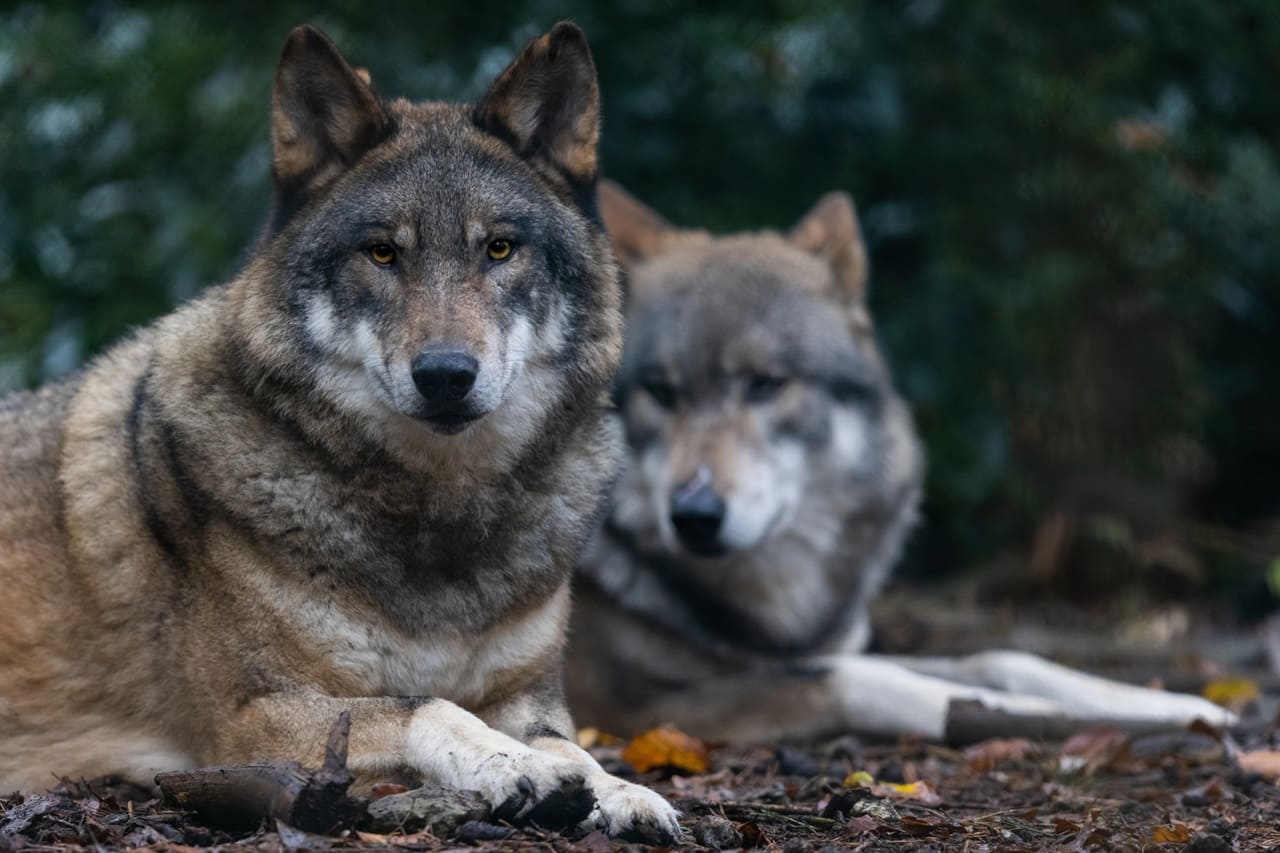
Currently, interest is focused on incidents involving wolves. In the Surselva, three wolf packs appear regularly: the Beverin pack, the Ringelspitz pack, and the Val Gronda pack. The formation of additional wolf packs is to be expected. In addition, lone wolves are roaming throughout Graubünden. Livestock farmers are particularly affected by the challenges of coexisting with predators. It has been observed that various lone wolves are able to overcome or jump over inadequate protective measures such as electric fences and livestock guardian dogs kept by animal owners, demonstrating highly problematic behavior. The wolves' victims have primarily been sheep and lambs as well as goats. But farmers have also recently noticed changed behavior in suckler cow herds. The animals appeared more nervous than usual, and in isolated cases, frightened animals broke out of their enclosures. This is believed to be attributable to the increased presence of wolves.