Optimal Nutrition for Cats: Tips for a Healthy Life
Cats are fascinating animals with unique nutritional needs. The question of whether cats always need food is important for every cat owner who has their pet's wellbeing in mind.

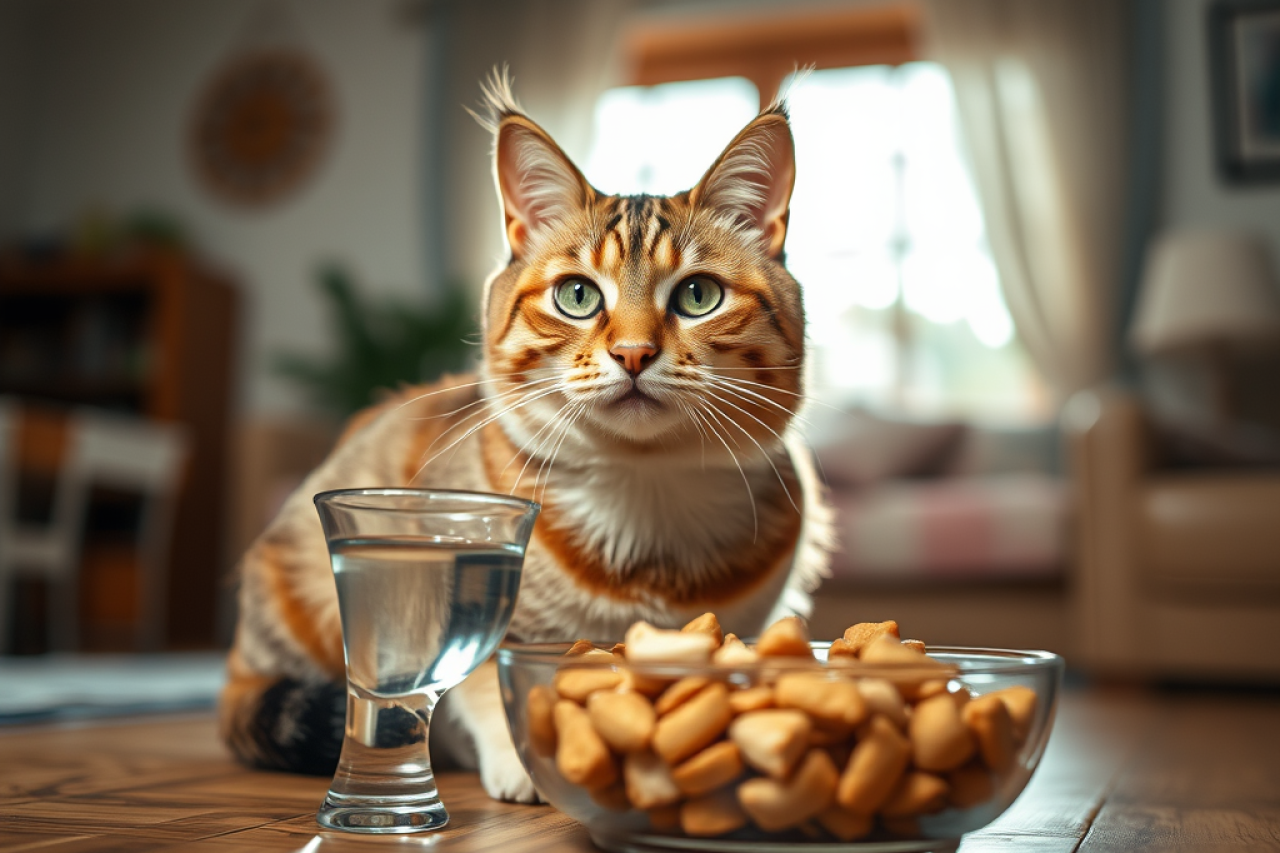
Cats are obligate carnivores, meaning their bodies depend on animal proteins.
In the wild, cats hunt regularly to meet their nutritional needs. A balanced diet is essential for their health.
Importance of Nutrition
- Protein: Cats require a high amount of protein, which is important for muscle development and overall health. Meat serves as the primary source of essential amino acids.
- Fats: Healthy fats provide energy and contribute to the absorption of fat-soluble vitamins.
- Minerals and Vitamins: These are important for various bodily functions, including the immune system and bone structure.
Feeding Frequency
Cats require regular food intake, but the ideal feeding frequency can vary:
- Young Cats: Kittens have higher energy requirements and should be fed more frequently, often up to four times a day.
- Adult Cats: Most adult cats do well with two meals per day. Some cat owners also offer dry food freely available, which some cats prefer.
- Senior Cats: Older cats may have special dietary needs and may require an adjustment to their feeding habits.
Water
In addition to solid food, cats always need access to fresh water. While they often obtain part of their fluid intake from moist food sources, water is essential for maintaining health and preventing urinary tract diseases.
Conclusion
Cats need regular food to stay healthy and active. As a cat owner, it is important to choose the appropriate type and amount of food and to ensure that fresh water is always available. A balanced diet contributes decisively to the quality of life and health of your cat.