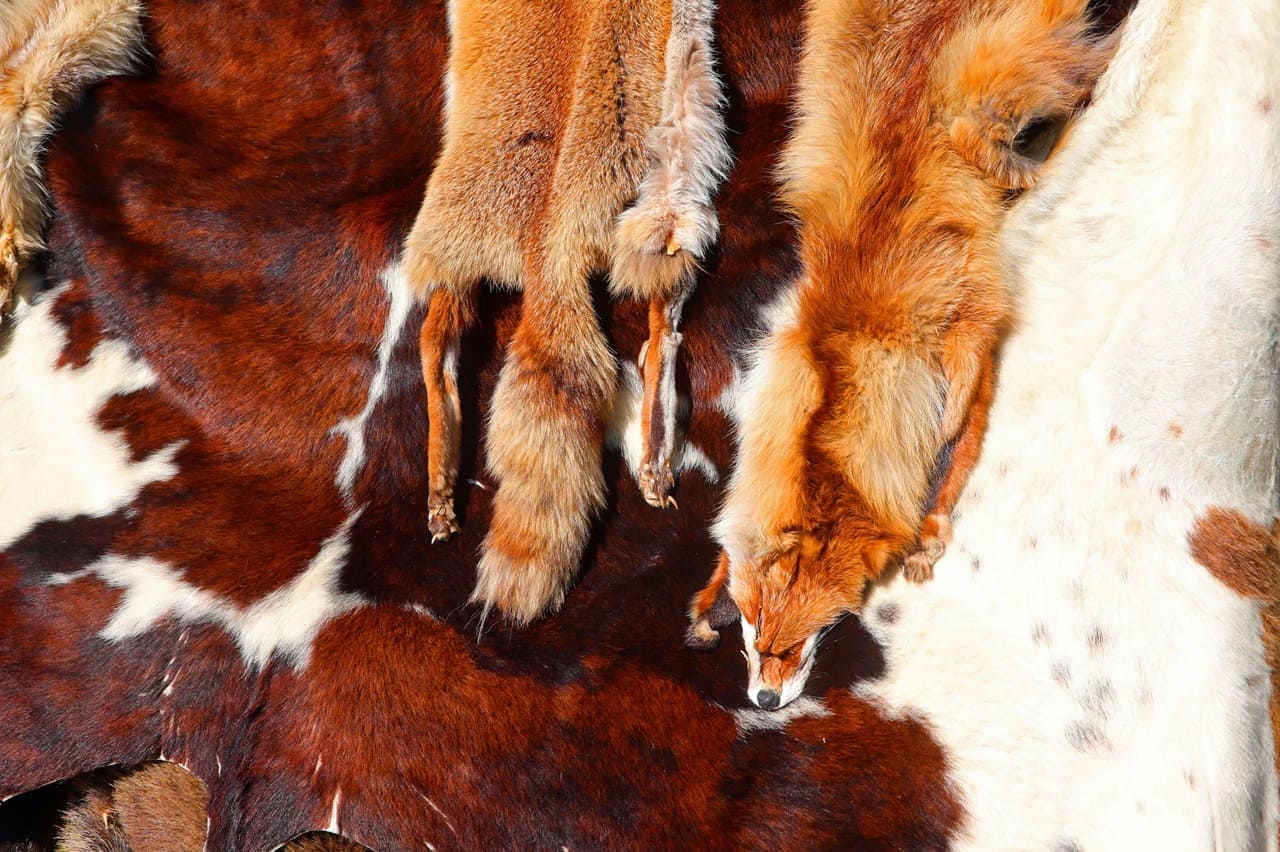
Small Game Hunting and Wildlife Diseases
More hunting does not mean less wildlife, but more births. As part of a leisure activity, Swiss hunters kill around 25,000 foxes every year – a ban on fox hunting, as the canton of Geneva already has, is long overdue in Switzerland.

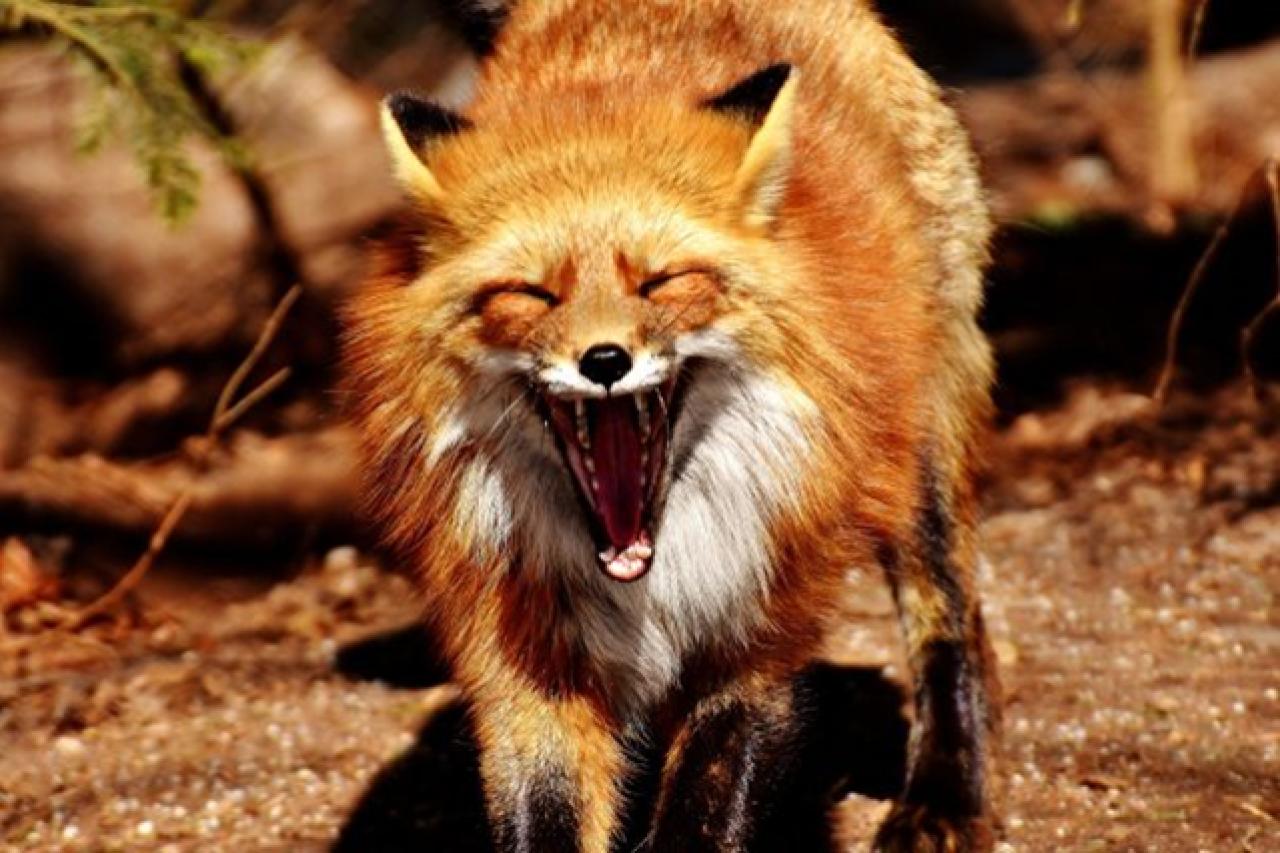
In the circles of hobby hunters and authorities, much is based on assumption rather than knowledge and conscience when it comes to hunting and wildlife diseases.
To justify the relentless persecution of one of our most fascinating predators (a member of the dog family), it is simply claimed that fox hunting during the small game season is necessary because fox populations and associated problems would otherwise get out of hand – a long outdated view!
According to the Animal Protection Act (Art. 26 TSchG), a “reasonable justification” must exist for killing an animal – yet hunting foxes amounts to nothing more than the satisfaction of a bloody hobby. There is no legally mandated culling plan for foxes. The animals serve hunters as living targets, as there is neither a wildlife-biological nor a public health justification for the mass hunting of these predators.
Social density regulation controls fox populations. As we know from hunting-free areas, the social structure of fox populations ensures that foxes do not reproduce excessively. When left undisturbed, foxes live in stable family groups in which only the highest-ranking vixen produces offspring. The same has been scientifically documented for wild boar with the lead sow. The birth rate is relatively low and population density remains constant. English researchers led by biologist Stephen Harris were able to demonstrate that even a 150-fold surplus of food supply does not cause fox density to increase further. England is an interesting area of research, as it is an island.Geneva’s Wildlife thrives without hunting, and the fox population has been stable for decades. The same applies to national parks in Engadin, Berchtesgaden, the Bavarian Forest, large game reserves across Europe, and dune areas in northern Holland. Luxembourg was widely praised for its decision to protect foxes. With the hunting ban on foxes, Luxembourg can credibly champion a modern conception of hunting on the international stage and certainly contributes to Luxembourg's nation branding as well. As a general rule, hunting foxes has almost no effect on the predation of ground-nesting birds.

When humans intervene in this stable system with rifles and traps, however, the communities break apart, and nearly every vixen is fertilized. Studies also show that the number of pups per litter increases. Intensive hunting also leads to more disease among wildlife. It is known from other species, including humans, dogs, and other animals, that hunting causes chronically high hormone levels, leading to effects such as immunosuppression — meaning they become more susceptible to disease and are ill-equipped to cope with the everyday challenges of life.
A research team also found elevated levels of progesterone, a hormone produced during pregnancy, which is an indicator of an unusually high proportion of reproducing female animals. Normally, only one female in a pack reproduces and has pups. Such a high number of pregnant vixens in a pack indicates a disrupted social structure, which contradicts the normal mode of reproduction. A typical group has a highly significant social structure, with one reproducing pair, and all the others know what their role is.
In Switzerland, the so-called pass hunting and trap hunting takes place in various cantons well into winter (until the end of February). In these insidious forms of hunting, foxes, badgers, martens, etc. are lured, habituated, and deceived with food (cat and dog food, hunting scraps, offal, etc.) even during the winter period of hardship, only to be killed senselessly and for sport. Wild animals often leave a clearly visible trail, known as a “pass.” This is also the origin of the term pass hunting, in which hunters lie in wait for an animal along its regular route. In keeping with the nature of pass hunting, hunters conceal themselves in a cowardly and underhanded manner in order to shoot various wild animals at feeding stations prepared by hunters (bait sites). Shots are fired from bedrooms, alpine huts, and small hunting shelters fitted with a camouflaged window — regardless of whether the target is a healthy male fox or possibly even the mother of cubs lying in the den. They are hunted continuously from 15 June through to 1 March. The hunters’ motto «Only a dead fox is a good fox» is contemptuous of animals. Foxes are not aggressive and do not attack humans. Foxes are beautiful animals. This can hardly be called hunting. The hunters once again distinguish themselves as despoilers of nature and tormentors of animals. This practice produces wildlife browsing damage, violates animal welfare legislation — and all of it is ultimately paid for by the taxpayer.
Scientific studies have shown that even when three-quarters of a population is culled, the same number of animals will be present again the following year. The same applies, for example, to raccoons. The more intensively foxes are hunted, the more offspring they produce — any so-called “regulation” of fox populations is neither necessary nor achievable by hunting means.
The Swiss Rabies Center therefore concludes that a hunting-based reduction of fox populations is evidently not possible and that hunting for the purposes of rabies control is in fact counterproductive. As we know today, only animal-friendly vaccine baits were able to eradicate terrestrial rabies — it has been considered eradicated in Switzerland since 1998 and across large parts of Europe.
Accordingly, every fox hunt constitutes a clear violation of the Animal Protection Act, as there is no reasonable justification. No culling plan exists. For more than 30 years, there have been at least 18 wildlife biology studies proving that fox hunting does not regulate populations and is also ineffective for disease control. On the contrary!
The senseless killing of animals in the context of a leisure activity has no place in the 21st century and must be prosecuted as a criminal offence.
The fox tapeworm and hunting
Fewer foxes, fewer fox tapeworms, and therefore a lower risk of infection for humans. At first glance a plausible conclusion, but upon closer analysis nothing more than hunters' tall tales, as several international studies demonstrate.
There are far more zoonoses in domestic pets and livestock. As a rule, only hunters contract a zoonosis such as the fox tapeworm. Approximately 20 – 30 people in Switzerland are infected each year with this liver disease (Echinococcus multilocularis). This is no more than in the past, when fewer foxes were found in cities. The immune system of most people is strong enough to fend off an infection. As a rule, the larvae of the fox tapeworm develop in the livers of mice and some rats. If a fox eats an infected mouse, a tapeworm develops again in its intestine. Cats and dogs that eat mice can also spread the parasite in this way, but do not themselves become ill. Somewhat reassuring is the fact that the incidence of disease in Switzerland is very low, that direct transmission from fox to dog is not possible, and that neutered animals do not contract the fox tapeworm.
Urban foxes generally have an infestation rate below 20%, as their diet consists mainly of food scraps. Rural foxes, by contrast, have a higher infestation rate because they feed extensively on field mice.
The risk of infection for ordinary woodland visitors is minimal. Contrary to widespread rumour, no fox tapeworm patient is known to have been infected through forest berries. Berries growing high on bushes can be ruled out as a route of infection. It is difficult to imagine how fox droppings could reach berries hanging at height.
A field study around Nancy documented over three years that hunting foxes neither reduces the fox population nor decreases the prevalence of fox tapeworm infection. The spread is rather encouraged. In the case of rabies, hunting was also not a solution. Fox tapeworm is one of the rarest parasitoses in Europe.
Shooting foxes can even have the effect that the vacated habitat is repopulated by foxes with a much higher proportion of fox tapeworm carriers.
Mange, distemper and hunting
In the past, mange and distemper repeatedly flared up locally and then died out on their own. Especially in areas where mange has spread particularly severely, foxes appear to be developing an increasing resistance to new infections. However, since hunting nullifies the inherent survival advantage of mange-resistant foxes (a hobby hunter cannot tell whether a fox is mange-resistant simply by looking at it), killing foxes is likely to be counterproductive in this respect as well. Incidentally, it has been found with distemper that wild animals have already developed antibodies, making the risk marginal.
Mange mites cannot develop further in human skin and die off. Infection with mange (for example through contact with infected domestic animals) is therefore not possible. However, Sarcoptes scabiei can affect people with a weakened immune system and trigger a short-term illness with itching and small papules. This so-called pseudo-scabies heals on its own within a few days, even without treatment. The mites themselves are carried on the skin by all of us at all times. There must therefore be an additional trigger present — severe stress, other infections, a weakened immune system, etc.
Mange is therefore nothing other than scabies in humans, caused by similar mites.
Killing a fox in order to supposedly protect other foxes is nonsense: those foxes would only become “infected” themselves if they too were weakened. They would not need the external mites, since they already carry them repeatedly anyway. Intense stress — triggered, for example, by hobby hunters and hunting pressure — can be one such trigger.
Mange is only dangerous when left untreated. If more meaningful care were taken of wild animals, there would be fewer dangerous diseases.
In light of the appearance of fox mange, the hunting associations are once again propagating more intensive fox hunting as a panacea for combating infections. However, as with rabies and fox tapeworm, there is no scientific basis for the claim that relentless fox hunting should curb the spread of zoonoses – after all, the past has shown that reducing fox population density by hunting means is not possible. Furthermore, hunting promotes migratory movements within fox populations, which means that the spread of the disease – similar to what has been demonstrated for rabies and is suspected for fox tapeworm – is more likely to increase than decrease. But perhaps that is exactly what the hobby hunters want, so that they can continue to pursue their idiotic hobbies. Quite a few hobby hunters suffer from acute mental rot or mange, particularly those who practice driven hunting.
The fox, as a mouse-eater, also prevents the spread of diseases such as Hanta or Lyme disease. For example, around 800 foxes live within the city of Zurich. There have been no hygiene problems there, because simple measures such as washing hands are sufficient.
Nevertheless, some hobby hunters would have us believe that nature must be "shot into shape" with a rifle. That things can go considerably better by different means is demonstrated by those few areas where foxes are not hunted. Nowhere is a drastic increase in the fox population to be observed. There is no legally mandated cull planning or population monitoring for foxes. Fox hunting resembles a short-circuit ecology for inadequately trained hobby hunters.
Of course, the hobby hunters also hunt the fox so intensively because it is a competitor for prey. Time and again we hear that the hare, listed on the Red List, belongs in the frying pan of hobby hunters. The fox is degraded by hobby hunters to the status of a disposable item.
Robert Brunold, current president of the cantonal licensed hunters’ association in Grisons, says: «Small game hunting is not necessary, but it is justified. One might just as well ask whether it makes sense to pick berries and mushrooms in the forest!» The umbrella organization of hunters in Switzerland wrote on 29.8.2011: "JagdSchweiz knows that wildlife populations would, in principle – even in our cultivated landscape – regulate themselves naturally.”
In our Swiss “hunting tradition,” hobby hunters still hold the outdated view that “pests” must be eradicated. In hunters' jargon, the term “vermin” is used even for jays, martens, and the like, which makes the primitive attitude of hobby hunters crystal clear. There are no useless animals — every species has its own valuable niche in nature and is part of our evolution.
It also happens that hobby hunters lack the ability to distinguish species and shoot protected wildlife such as lynxes or golden jackals in the darkness of night.
In Switzerland, the cantons of Bern, Aargau, Graubünden, St. Gallen, Valais, Lucerne and Zurich stand out particularly negatively, with a disproportionately high level of hunting of foxes and badgers. 24’093 mostly healthy foxes were simply massacred in 2014. One must assume that any supposed problems are homemade and deliberately cultivated — that these are purely recreational hunts carried out for sport.
There must be a justification for destroying life. Senseless killing in the context of a misguided experience of nature is to be firmly rejected! Should it be permissible to decimate one species in order to protect another? No — this leads to a vicious cycle.
Foxes are important members of the natural ecosystem, serving as health officers and diligent controllers of mouse populations. They also ensure healthy wildlife populations. It should not be accepted that they are treated like pests and killed every year purely for the pleasure of hunters.
Forest rangers must combat mice — which damage seedlings and trees — using chemicals, mechanical means and traps, while hunters kill foxes that would actually keep mouse populations under control. The result is millions of francs in damage and additional costs for forestry due to hunting. Farmers and orchard owners must hire mouse catchers because the fox and other predators are absent.
It is high time that we also give the fox the respect it deserves.
Foxes protect us from disease
There are more than 800 species of ticks worldwide, but the common wood tick, Ixodes ricinus, remains the most prevalent in our region. The lifespan of a tick can range from 2 to 6 years. The six-legged larva feeds on a host for approximately 2 to 5 days before molting into a nymph. The nymph, too, often lies in wait for months for a blood meal. Only then does it develop into an adult, sexually mature tick. Ticks are perennial winners in the competition for the most dangerous animal. Worldwide, they can transmit more than 100 diseases, and even in Central Europe the list of pathogens transmitted during feeding is growing ever longer: viruses, bacteria, protozoa, and tick-specific toxins can all make the host ill. Nymphs are the most dangerous: they are more common than adult ticks, are small, and therefore often feed unnoticed. At a suitable puncture site, the tick uses its mouthparts to cut a small hole in the skin.
At the bite sites on bank voles, wood mice, or field voles, dozens of tick larvae and nymphs often gather for “blood parties,” during which pathogens — thriving by the hundreds and thousands inside mice — are exchanged directly between ticks. The fox, as a mouse-catcher, therefore plays an important role as a public health officer when it comes to TBE and related diseases.
Hantavirus
Due to favorable conditions for the spread of mice in the summer and autumn of 2016, experts predicted a significantly elevated number of Hantavirus infections for 2017. For Baden-Württemberg alone, mathematical modeler Martin Eichner from Dusslingen (Tübingen district), working in collaboration with the State Health Office, calculated 2,448 cases – compared to just 28 in the previous year.
The virus is transmitted by rodents and, according to the Robert Koch Institute (RKI), causes a flu-like illness in humans characterized by fever, headaches, abdominal and back pain, a drop in blood pressure, and kidney dysfunction up to and including kidney failure.
The host animal, the bank vole, excretes the virus. According to the RKI, humans become infected by inhaling dust contaminated with mouse droppings. Anyone who must remove dead mice or mouse droppings should wear rubber gloves and a tightly fitting face mask covering the mouth and nose. A vacuum cleaner should not be used, as it can disperse viruses into the air.
Let us recall: A fox eats approximately 4,000 mice per year. Mice themselves produce 10–15 young every 30 days and reach sexual maturity after just 6–8 weeks.
The cantons that permit the most fox shooting also have the most problems with diseases.
Botulism
«Clostridium – botulinum – bacteria» multiply in carcasses and putrefying flesh under anaerobic conditions and produce a highly potent toxin. The poisoning is not caused by the bacteria or their spores themselves, but by a toxin secreted by the bacterium. This poison ranks among the most powerful nerve toxins known. It causes an interruption of nerve impulses at the junctions between nerves and muscles. This is also well known in cosmetics: under the brand name Botox, it is used to smooth wrinkles.
Botulism can arise in 2 ways: either through the direct ingestion of feed (silage, hay, etc.) contaminated with animal carcasses, or through the production of the toxin in infected wounds, abscesses, or damaged sections of the intestine.
In a information sheet addressed to farmers, it was stated that they should mow the field on the evening before so that foxes and other scavengers could first consume the dead animals. This would significantly reduce the risk of illness caused by the botulinum bacterium toxin in silage.
This nerve toxin can also be extremely dangerous to humans.
Leptospirosis
Death from a puddle … Leptospirosis, also known as Weil's disease or Stuttgart disease in dogs. Most dog owners know this disease only as a name on the standard five- or six-way vaccine for dogs. Few are aware that protection against leptospirosis is unfortunately not as reliable as against rabies or other infectious diseases. This is due to several reasons: vaccines against bacterial pathogens are far more difficult to produce than those against viruses, and leptospires constitute a group of bacteria — much like the pathogens responsible for Lyme disease.
The source of leptospirosis infections is predominantly mice and rats, through whose urine large quantities of these bacteria are excreted. Leptospires can survive in water for weeks, dying off rapidly only through desiccation. The significance for dog owners lies in walks during the warm spring and autumn months. Frequent rainfall creates shallow puddles on field paths. The temperatures warm these small bodies of water, providing leptospires with ideal conditions for reproduction. It is also well known that field paths are home to numerous mouse burrows, through whose urine the bacteria enter the puddles.
Thirst leads many dogs to drink from these puddles during walks. Apart from possible residues of fertilizers and plant chemicals (especially in spring), the danger of leptospires also lurks there. The dog becomes infected by drinking from the puddles. Not every dog that drinks from a puddle will fall ill, as stomach acid kills the pathogen. However, the pathogen can enter through small injuries in the mouth area. In this context, one should consider teething in puppies, which creates numerous open sites in the mucous membrane. When leptospires enter the bloodstream, they multiply there, destroy red blood cells, and primarily attack the kidneys, but also the liver and other tissues. These organs can then be irreversibly damaged. Symptoms may include: fever, vomiting and diarrhea, jaundice, and kidney failure. Signs of illness appear one to three weeks after infection. In addition to acute illness, chronic and subclinical forms are also known — that is, infections in which no external symptoms are visible in the dog. However, impairment of kidney function may occur, which can later be detected in blood tests.
All in all, a very dangerous disease, which can also infect humans. Here too, it leads to fever, jaundice and kidney problems. Vaccines against bacteria usually do not last a full 12 months, but rather 2-3 months shorter. Infections with leptospira are usually very serious and often fatal in puppies. It is therefore advised to do everything possible to protect your dog from it. Puddles should be off-limits. The deadly danger that can lurk in them is invisible. The more dog owners know this, and the more breeders inform their puppy buyers about it, the fewer dogs have to die. You can only protect yourself if you know the dangers.
Earth dog hunting
A method of animal cruelty targeting foxes, badgers and the hunting dogs themselves.
In earth dog hunting, specially trained aggressive dogs are used to drive foxes out of their burrows so that they can be shot outside by waiting hunters. Animal is set against animal, resulting in animal combat, which is prohibited under current Swiss law. Hunters knowingly accept that their dogs will be mistreated. Underground fights to the death frequently occur, in which the dog and fox bite into each other and sustain serious injuries. Earth dog hunting violates several elements of animal cruelty offences under Art. 26 of the Animal Protection Act.
Hunters envision the “ideal scenario” of earth dog hunting as follows: the fox retreats into its burrow, the dog follows; and because the fox knows its burrow inside and out and, in accordance with «hunting etiquette», only a single dog is used, the fox immediately slips out of one of the exits, where it is shot.
Earth dog hunting is also considered a promising method for controlling foxes in residential areas, where they can be lured with artificially prepared burrows and then shot at close range. Earth dog hunting also has many opponents within the hunting community itself. In practice, it is simply pure animal cruelty for the animals involved.
For various reasons, it can repeatedly happen that the fox barricades itself instead of fleeing, that the fox finds itself cornered facing the dog in a dead end, or that the dog encounters a badger that will not flee. During the fights, the animals bite into each other fiercely, sustaining serious injuries to the chest, legs, face and ears.
Sometimes the animals have to be dug out with excavators or shovels, which can take hours. The dogs likely also repeatedly endure suffering in their loyal "dutiful service" to their master. Today they mostly wear a transmitter that allows them to be located underground.
Nevertheless, it repeatedly happens that dogs suffocate or can no longer be found and perish miserably from thirst. Critics of den hunting among hunters say they would never send their dog into a fox burrow, and that it contradicts the principles of ethical hunting to pursue the fox in its last place of refuge. Against the backdrop of the considerable density of hunting regulations, the question arises whether den hunting is legally compliant at all. Hobby hunters have perfected the contempt for animals.
The conclusion is that hobby hunters are unable to adapt their hunting practices to the knowledge of our time and to respond accordingly. Thus, sooner or later, the public will likely decide whether recreational hunting is even tolerable as a general principle.
Lead shot is also used today in den hunting, which can lead to considerable direct and indirect environmental impacts.
A representative survey by the Swiss Animal Protection organization (2009) shows that the majority of the population rejects the cruel practice of den hunting. No fewer than 70% of respondents would support a ban on the cruel practice of den hunting! It is time to abolish this outdated, cruel, and unnecessary form of hunting now.NRW has also banned den hunting this year.
One does not send one's dog into a burrow to mangle young animals or parent animals — that is considered reprehensible.
- Expert Opinion on Den Hunting (Stiftung Tier im Recht)
- Position Paper on Hunting Dogs (STS)
- Position Paper on Animal Welfare and Hunting (STS)
- The Fairy Tale of the Fox (Mario Natale)
Driven Hunt
The driven hunt has unfortunately spread perniciously in areas with territorial hunting.
An unbearable situation for animal welfare advocates. As with the Hubertus hunts, respect for creation is trampled underfoot, at times even with the tolerance of the Church.
The rituals and hunting practices of hunters are so hypocritical that hunters even claim the animals seek death at their hands. The phrase “they felt sorry for the animal” can only be explained by a severe personality disorder. It can hardly get more perverse for wildlife and dog alike.
Rather, this hunt, carried out with scent hounds, groups of hunters and beaters, is a form of animal cruelty in which wild animals are hounded to death by dogs. In many cases, the dogs tear into the roe deer, bite down and rip out entire chunks (most often around the anus) while the animal is still alive. Since roe deer have small hearts, they are unable to flee over longer distances. They must repeatedly stop, giving the dogs a promising opportunity to bite, if the roe deer has not already suffered cardiac arrest beforehand. During driven hunts, all uninvolved animal species are thrown into fear and panic.
This type of hunting practice is morally absolutely reprehensible — for the wild animals, and for the dogs as well. They are trained to pursue wild animals and are exhausted and overwhelmed after a driven hunt. For the rest of the year, they must be kept in kennels or on a leash, since the intensively bred hunting instinct is only desirable during the hunt. So it is no pleasant life for the dogs either.
Since shotgun pellets are used, not only is the forest floor contaminated with lead, but the killed animals are also contaminated. As undiscovered carcasses, they serve as a source of sustenance — or death — for other animals, thus allowing lead to enter the entire food chain.
Hunting, with such an ambivalent emotional world and this love-hate relationship towards native animals, is a destructive inclination to kill: According to Eugen Bleuler (psychiatrist), ambivalence is the primary symptom of schizophrenia.
Hobby hunters who themselves practise the most bestial forms of hunting alongside driven hunts, while simultaneously speaking of respect for wild animals or of service to nature — as some of them do — should surrender their hunting licences without delay.
The driven hunt has the character of an event, to which animal abusers from near and far are invited, and entire regions with countless uninvolved animal species are thrown into mortal fear and panic (no one may inflict pain, suffering or harm on an animal without good reason, § 1 TierSchG). A driven hunt is very much a chase, as unnatural noise and disturbance are deliberately and systematically produced in nature. Many wild animals injure themselves in panicked flight.
When shots are fired, hunting dogs bark, hunting horns and other equipment are deployed, the entire surrounding environment and wildlife are under stress. Hunting is always a form of war! It is not uncommon for hunting dogs to tear chunks of flesh from still-living wild animals, or for wounded animals to wander the area in fear of the hunting dogs and hobby hunters. In driven hunts, where fleeing animals are shot at, achieving a good hit rate is extremely difficult.
Hunted wild animals (deer in particular, with their small hearts, are unable to flee over long distances) instead release health-damaging stress hormones during situations of fear, which accumulate in the flesh alongside other highly toxic substances, such as residues of lead-containing ammunition. The mortal fear thus passes into the tissue and is consumed by humans in the venison.
The cult-like hunting rituals, ceremonies, hunters’ tall tales and other such practices of the hunting fraternity cannot deceive any sound mind into overlooking the suffering inflicted on wild animals by the dirty trade of hunting.
Trap hunting
A relic from the Middle Ages!
Trap hunting is practised using box traps, which are placed along streams, water culverts, timber storage sites, dense undergrowth and similar locations.
The animals caught are mainly stone martens and beech martens, young foxes, and also domestic cats.
The animals often wait for hours or even days (regulations require inspection within 24 hours) for their tormentors. The animals are shot defencelessly inside the trap. These are killing operations without purpose, as the animals end up at carcass disposal sites or are used as fox carcasses for baiting. The desire to kill is the sole motive for trap hunters.
Stone martens and beech martens are beautiful and intelligent animals — something that cannot be said of their enemies. A pointless exercise and a contempt for living beings, a method from the Middle Ages that continues to be silently tolerated by the hunting fraternity. The public does not know enough about these still-common and abhorrent hunting methods.
Live-capture box traps are permitted in Switzerland and regulated at cantonal level. For example, the STS wrote in July 2010: «The use of live traps should only occur in exceptional cases, as every captured animal suffers extremely in the confined trap. Considerable injuries can also result when animals attempt to free themselves.»
Falconry
In falconry, unnaturally trained birds of prey are set upon other living creatures.
For this purpose, birds of prey are used that have been made compliant through hand-feeding from a young age. In falconry, extremely brutal life-and-death confrontations occur time and again. Animal is pitted against animal. This constitutes a manipulated animal fight, which is prohibited under current Swiss law. In Switzerland, only crows may be pursued in falconry. Peregrine falcons and goshawks are primarily used for this purpose, mostly from moving vehicles.
Falconry contributed in earlier times to the endangerment of falcon populations, as all birds used for this purpose were taken from the wild. The removal of wild birds from their nests for the purpose of falconry is prohibited in Switzerland today. The birds trained by hunters' hands originate from breeding stations that do not meet species-appropriate standards.
Hunters engaged in falconry knowingly accept that victims are tortured and hacked apart before the hunter can wring their necks. Falconry, like earth dog hunting, violates several elements of animal cruelty offences under Art. 26 of the Animal Protection Act. In Greece and Denmark, falconry is prohibited.
Falconry, also known as hawking, is not only a form of hunting involving animal cruelty — the birds of prey exploited for hunting are also frequently exhibited. In 2012, Sion discontinued the flight demonstrations with falcons and eagles on the castle hills of the Valais capital Sion. The tourist attraction was incompatible with the requirements for keeping birds of prey, the Valais tourism office announced.
Birds are conditioned through food deprivation and locked in solitary confinement after their performances. So that the birds can endure being kept on a chain, they spend much of their time under hoods that cover their eyes. The animals live in an unnatural environment throughout their lives and lose their natural behavioral patterns. With great pride at having tamed the kings of the skies, keepers and hunters present the birds chained and degraded. The broken-in birds have endured a long and often cruel ordeal of submission to human beings.
According to reputable nature and animal protection organizations, the keeping and training of birds of prey contradicts their natural way of life. Among other reasons, because they are forced into an unnatural relationship of dependency on humans. Hunters enjoy, as is so often the case with den hunting, pass hunting, special hunting, driven hunting, trap hunting, falconry, trophy hunting, etc., indulging in acts of animal cruelty.
How does such a majestic and freedom-loving bird feel when it is not permitted to fly freely? How does its body endure this torment? How do the birds otherwise spend the endless hours when they are not allowed to fly? For their entire lives, birds of prey are kept captive in the most confined spaces and suffer from the lack of movement. Using methods that are often incompatible with animal welfare, they are trained, manipulated, and abused.
The freedom-loving goshawks, eagles, eagle owls, and falcons are in danger in the hands of hunters, because what hobby hunters do to living creatures is, as a rule, simply cruel.
Sources
Further Articles
- Fred Kurt: The Roe Deer in the Cultural Landscape. Ecology, Social Behavior, Hunting and Management. Kosmos Verlag, Stuttgart 2002, p. 83.
- Federal Hunting Statistics Link
- Notes and References Link
- Scientific Literature: Studies on the Red Fox
- Hunters spread diseases: Study
- Hunting promotes diseases: Study
- Hobby hunters in criminal activity: The List
- Ban on pointless fox hunting is long overdue: Article
- Luxembourg extends fox hunting ban: Article
- Small game hunting and wildlife diseases: Article
- Deterrence of wild animals: Article