Swiss Hunting Act: Wolf Regulation and Wildlife Corridors
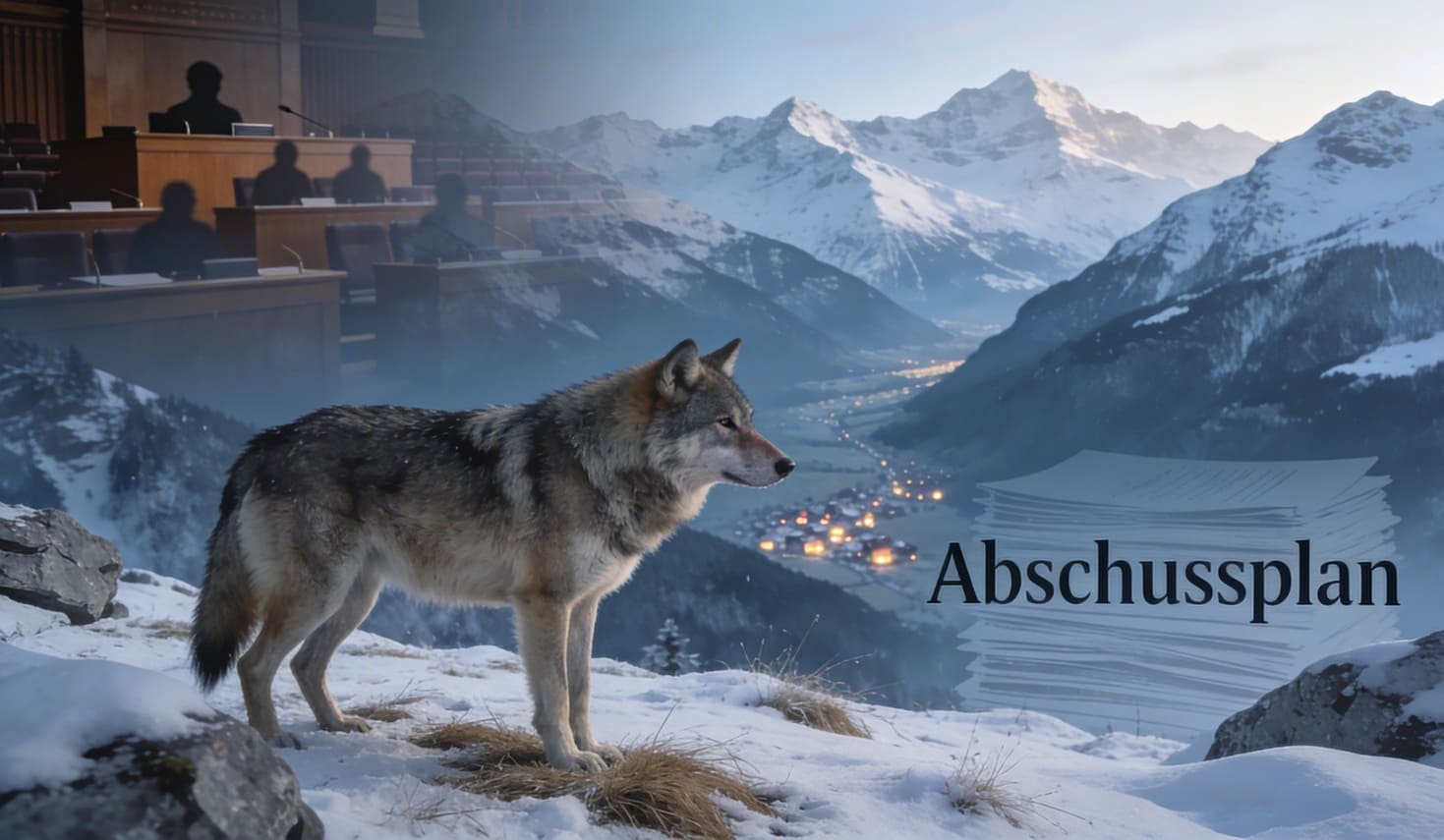
In December 2022, Parliament revised the Hunting Act, in particular to reduce conflicts between alpine farming and the wolf. To this end, it introduced the preventive regulation of the wolf population. It also strengthened wildlife corridors and wildlife habitats.

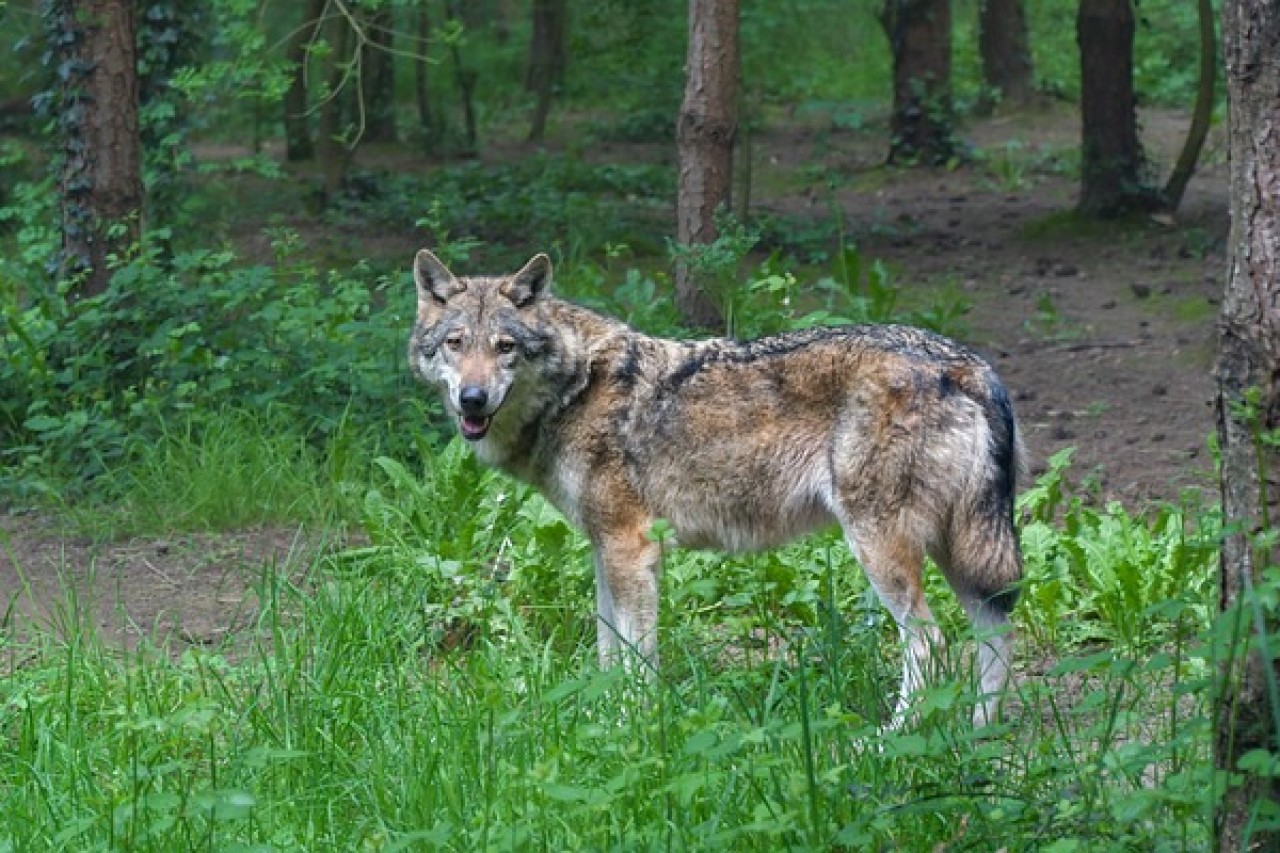
On 13 December 2024, the Federal Council brought the amended Hunting Act into force together with the revised Hunting Ordinance, effective 1 February 2025.
The wolf population in Switzerland has grown exponentially in recent years. At the same time, the number of wolf attacks on livestock has also increased markedly. In order to reduce these conflicts between alpine farming and the wolf, Parliament decided in 2022, as part of the revision of the Hunting Act, to introduce preventive regulation of wolves. To enable the cantons to act swiftly, the Federal Council brought this provision into force on a temporary basis on 1 December 2023, limited until the end of January 2025.
On 13 December 2024, the Federal Council definitively brought the revised Hunting Act and the adapted Hunting Ordinance into force, effective 1 February 2025. In order for the cantons to be able to intervene in the wolf population between September and January, before damage has occurred, certain conditions must be met: a risk to livestock must exist and herd protection measures must have been implemented. A portion of the young animals may then be regulated. Entire packs may only be culled if they display undesirable behaviour, provided that the minimum number of packs per region is not fallen below. The Federal Office for the Environment (FOEN) must approve the cantons’ regulation requests.
From June to August, cantons may also reactively regulate wolf packs causing damage, i.e. after damage has occurred. These culls are also ordered by the cantons, subject to prior approval from FOEN. Cantons may now also shoot individual wolves that pose a threat to humans. The shooting of individual wolves in cases of damage was already permitted previously. FOEN approval is not required in these cases.
The revision of the hunting ordinance also introduces further changes:
Prevention and compensation of wildlife damage
The revised hunting ordinance more clearly regulates the prevention and compensation of wildlife damage. This concerns damage caused by predators to livestock and damage caused by beavers to infrastructure installations. The reasonable measures for preventing damage and the compensation of any resulting damage have been newly defined.
New regulation of herd protection
The Federal Council has specified the organisation of herd protection. Cantons are granted greater competences, for example regarding the dog breeds that may be deployed. FOEN remains responsible for the assessment of livestock guardian dogs, so that a uniform standard exists for recognised livestock guardian dogs. The previous classification of alpine pastures or alpine grazing areas into those that can and cannot reasonably be protected is now abolished. In its place, there is now the farm-specific herd protection concept in accordance with agricultural law. In connection with austerity measures to consolidate the federal budget, the federal contribution to herd protection is being reduced to 50 percent.
Strengthening wildlife corridors
Wildlife corridors of supra-regional importance will now be established in a national inventory in agreement with the cantons. In addition, measures have been defined to ensure that the permeability of these key locations for wildlife migration is maintained or restored.
Hunting practice
The revision includes adjustments arising from the cantons' implementation practice: prohibition of night hunting in forests, removal of silencers from the list of prohibited aids, prohibition of lead-core rifle ammunition, and prohibition of drones.
The consultation on the revised hunting ordinance ran from 27 March to 5 July 2024. A total of 245 submissions were received, as stated in the press release of the Federal Office for the Environment.
It is the exact opposite of the will of the people. On 27 September 2020, the Swiss electorate rejected this hunting law. Under the leadership of Federal Councillor Albert Rösti, we have ended up with a poor democracy, replaced by a dictatorial farmers' majority. Livestock protection has been cut and now beavers are also in the crosshairs. – IG Wild beim Wild
Participatory campaign: Petition your municipality for a tax exemption on federal and cantonal taxes on the grounds of the catastrophic policy of Federal Councillor Albert Rösti (SVP) and the recently approved shooting of wolves in Switzerland. You can download the template letter here: https://wildbeimwild.com/ein-appell-fuer-eine-veraenderung-in-der-schweiz/

More on the subject of recreational hunting: In our dossiers on recreational hunting gather fact-checks, analyses and background reports. What the research says about this is shown by Hunting fact-checked: the state of research.
The position of IG Wild beim Wild: IG Wild beim Wild rejects recreational hunting. Our model is the canton of Geneva, which has managed without recreational hunting since 1974: without hunting seasons, without hunting dogs, without driven hunts, without high seats, without the animal cruelty and crime that go hand in hand with hunting season elsewhere. What has worked there for over fifty years disproves every position paper by JagdSchweiz. An association that bases its policy on claims it refutes in its own documents is not a professional organisation, but a factory for misinformation.