Bullet Strikes Horse: Hobby Hunters Fail Their Responsibility
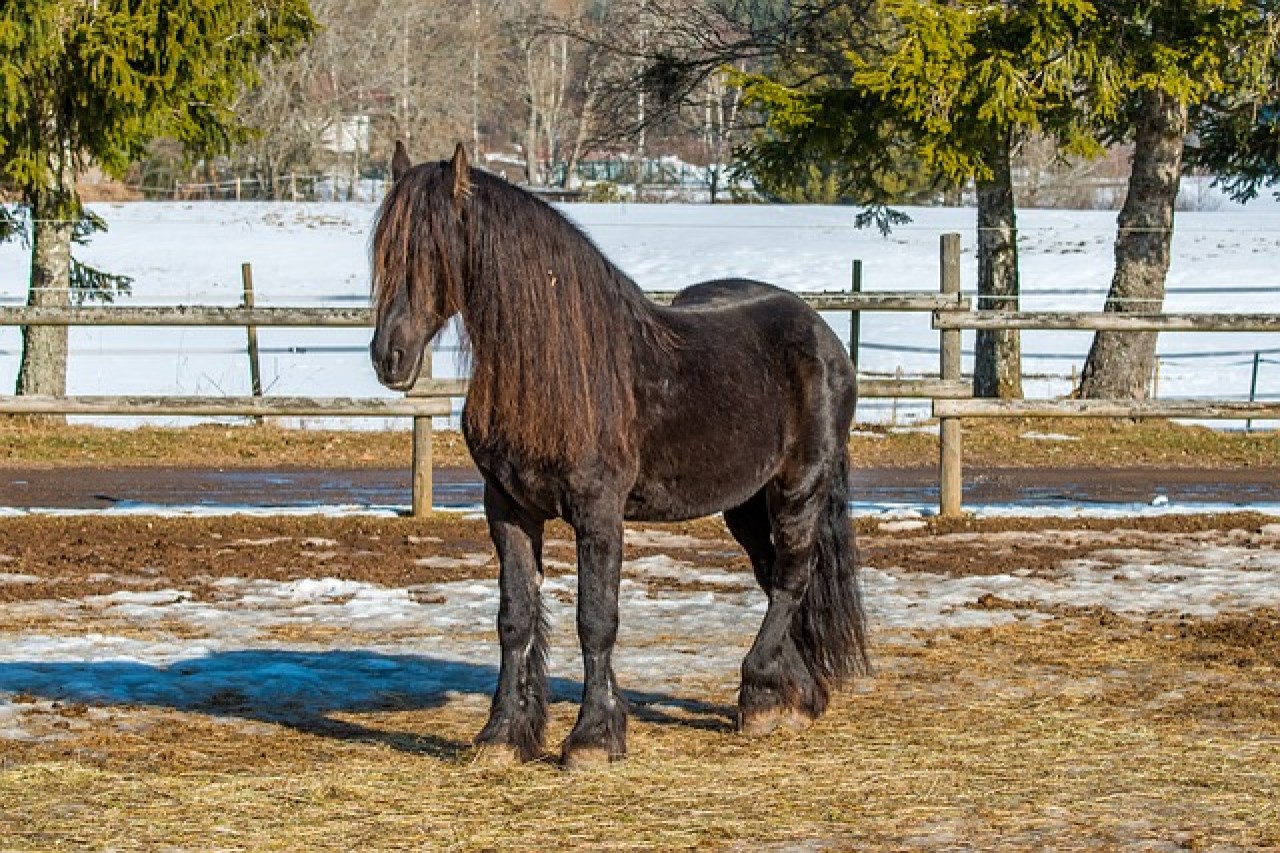
In the early morning hours of 9 October in Rosellen: A hobby hunter, deployed on a night hunt for wild boar, fires a shot and a horse in a neighbouring paddock is fatally struck. The man turns himself in to the police.

What sounds like an unfortunate accident reveals a deeper problem, for this is once again not simply a matter of mishap, but of systemic questions concerning safety, qualification and hunting ethics.
The fact that yet again a horse rather than a wild boar is killed raises serious questions:
- How could the animal have been "confused"? According to the details of the case, the hobby hunter was moving through the forest at night, with wild boar as the target. Instead, he struck the horse in the paddock.
- Was the target unambiguously identified ("angesprochen"), as required by hunting law? The specialist literature emphasises that species, sex and target must be reliably established before a shot is fired.
- What safety measures were taken? Particularly at night: visibility conditions, surroundings and the area behind the target — all of which clearly reveal critical deficiencies in this case.
The consequences are far-reaching: a living horse — a working animal, a family or leisure riding horse — was killed. The psychological and material damage is considerable, and the hunting industry bears a share of the responsibility.
The incident illustrates in exemplary fashion: when hunting practice is not rigorously regulated, monitored or reflected upon, dangers arise — not only for wildlife, but for livestock, people and nature as a whole. A few key points:
In the wake of this incident, the competent district hunting authority must act. The hunter's shot against a livestock animal must not once again be dismissed as a regrettable isolated case. What consequences will follow?
Hunting associations are also called upon to act: such accidents undermine public acceptance of hunting in society. They must intensify training, communicate safety standards more clearly, and consistently sanction misconduct.
The incident in Rosellen is far more than a news item in the press. It is a wake-up call: hunting wild boar at night, in immediate proximity to livestock, demands the highest safety standards and a hunting culture that does not accept mistakes as collateral damage.
When a horse becomes the target of a bullet, not only was the aim wrong — the entire practice had gone off the rails. For society, nature, and animals, this is no trivial offence, but a failure — a failure in the exercise of responsibility, respect, and control.
Hunting must not hide behind “need” or “wildlife damage pressure.” It must disclose: How many such stray shots occur? What consequences have been drawn? And how will it be ensured in future that livestock, residents, and wildlife are equally protected?
For the IG Wild beim Wild, the demand remains clear: no silent acceptance of hunting accidents. Transparency, accountability, responsibility — these must be the guiding principles. Because every living being counts.
The IG demands a ban on hobby hunting.