Iceland kills endangered polar bear instead of relocating it
Icelandic authorities have shot and killed a young polar bear after it was spotted near a cabin in a remote part of the island.

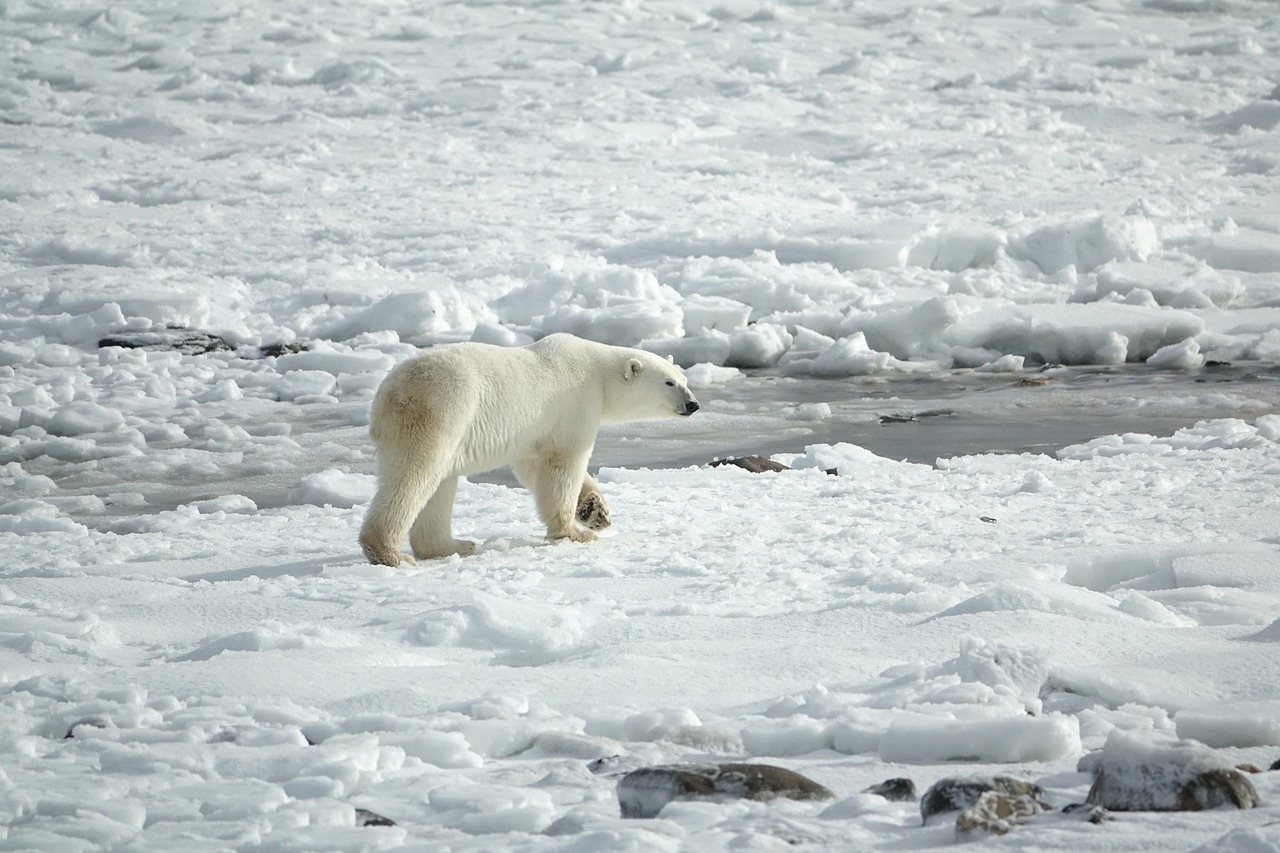
Many conservationists are asking why the Icelandic Environment Agency did not choose to relocate the animal.
"This is not something we like to do," said the police chief of the Westfjords, Helgi Jensson. "In this case, the bear was very close to a summer house. Inside was an elderly woman."
Polar bears are not native to Iceland, but are sometimes driven ashore on ice floes from Greenland. In recent weeks, increasing numbers of icebergs have been spotted off the northern coast, which could lead to further encounters with bears.
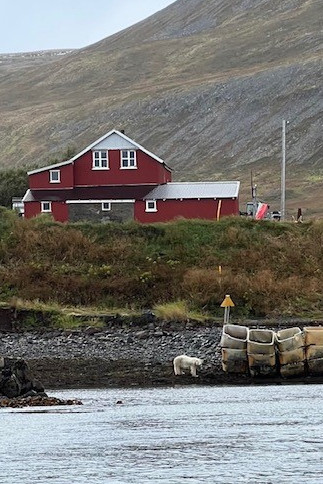
Although attacks by polar bears on humans are extremely rare, research suggests that climate change is driving these hungry animals ashore more frequently, increasing the risk of conflicts between humans and bears.
According to the World Wildlife Fund, climate change is causing the Arctic to warm twice as fast as the rest of the planet, resulting in a loss of sea ice coverage of approximately 14% per decade. Since the median sea ice extent from 1981 to 2010, we have lost approximately 770’000 square miles of ice — an area larger than Alaska and California combined.
A 2020 study warns that polar bears could face extinction within this century due to shrinking sea ice and declining genetic diversity, if current trends continue.
Compounding the concern, a 2021 study conducted in Norway revealed an alarming degree of inbreeding among polar bears, a sign of their struggle for survival. Between 1995 and 2016, the genetic diversity of polar bears in the Svalbard Archipelago declined by 10%, posing a significant risk to the future of the species.
In light of previous encounters, a working group was established in 2008 to assess the management of roaming polar bears. Unfortunately, the group concluded that the safest course of action was to shoot bears that posed a threat, particularly given the high costs associated with relocating them to Greenland, approximately 300 kilometres away.
The young bear that was shot weighed between 150 and 200 kilograms and was brought to the Icelandic Institute of Natural History for examination. Researchers plan to analyse samples from the bear to test for parasites and assess its general state of health, including the condition of its organs and body fat percentage. The hide and skull may be preserved for the institute's collection.
Iceland's decision to shoot the polar bear is deeply disappointing and reflects a broadly troubling approach by authorities in their handling of wildlife.
Relocating endangered animals such as polar bears rather than resorting to euthanasia is a more compassionate and sustainable solution. These animals play a crucial role in their ecosystems, and their survival is of vital importance to biodiversity. Relocation can provide them with a safer habitat while simultaneously raising public awareness of animal conservation efforts. By prioritising humane alternatives, we not only protect individual animals but also promote a more balanced relationship between wildlife and human communities.