Insect decline: Worse than previously thought
A third fewer insect species in just ten years: this is what a study involving the WSL and the University of Bern reveals. Particularly affected is intensively farmed agricultural land, but also forests and protected areas.

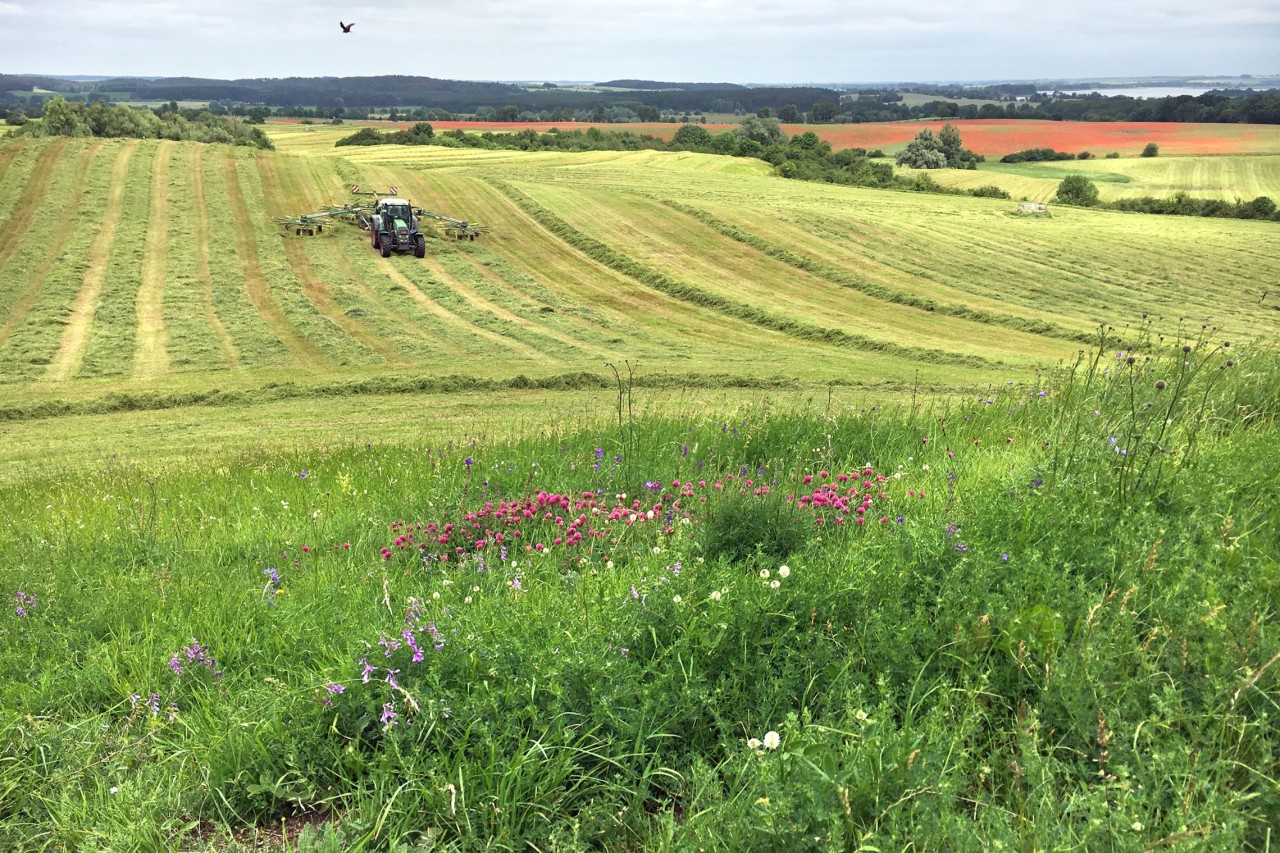
In many areas, around a third fewer insect species are found today than just a decade ago. This is the finding of a study involving the Swiss Federal Institute for Forest, Snow and Landscape Research (WSL) and coordinated by the University of Bern. The loss of species affects above all meadows situated in heavily farmed surroundings, but also woodland and protected areas.
Across a large number of different study sites, the number of insect species fell by just over a third in the space of only ten years.
Although the data were collected in Germany, the landscapes chosen are comparable to various regions in Switzerland.
Rare species in particular are disappearing
For their study, the international research team collected over one million insects between 2008 and 2017 at nearly 300 sites across three regions in Germany: Brandenburg, Thuringia and Baden-Württemberg. The sites ranged from very natural grasslands and forests to those heavily used for agriculture or forestry.
Many of the nearly 2’700 studied insect species are accordingly in decline. Rare species in particular have completely disappeared from many sites.
Previous studies had focused either exclusively on biomass — that is, the total weight of all insects — or on individual species or species groups, explained Sebastian Seibold of the Technical University (TU) Munich, according to the statement. «The fact that actually a large proportion of all insect groups is affected was not previously clearThat in fact a large proportion of all insect groups is affected was not previously clear.»
Drastic loss of biomass
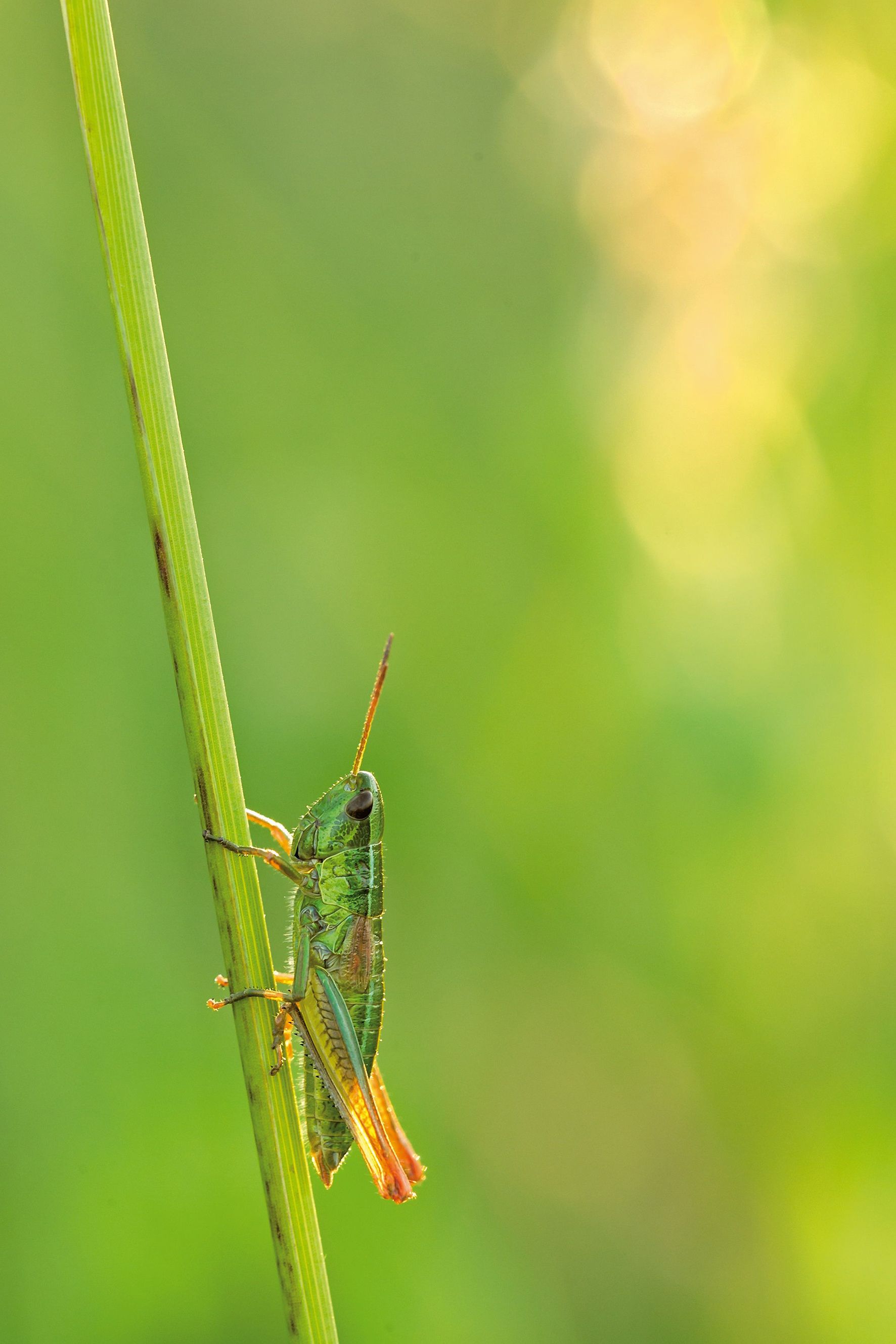
In meadows, the number of species recorded during the study period fell by 34 percent. But not only biodiversity, the total quantity of insects also shrank, and dramatically so: insect biomass recorded a loss of two thirds over the ten years.
The researchers found the strongest decline in areas located in heavily agriculturally used surroundings. In particular, insect groups that cannot cover large distances diminished. This points to a connection with agriculture, which had already been suspected. However, it has not yet been possible to determine what role habitat loss, increased use of pesticides, or the use of more potent pesticides play.
Forests also affected
Whether and to what extent forests are also affected by the decline in insects had previously been unclear. Here too, the scientists found a decline: insect biomass shrank by 41 percent. The number of species decreased by 36 percent. According to the study, both commercially used coniferous forests and unused forests in protected areas have lost insects.

Unlike in meadows, it was particularly species that travel long distances that declined in forests. Here, however, a possible connection with agriculture remains unclear: “Whether more mobile species come into greater contact with agriculture during their dispersal from forests, or whether the causes are also related to living conditions within the forests, we still need to find out”, explained study author Martin Gossner from the WSL.
A massive data deficit in Switzerland
Data on the decline of insects in Switzerland has so far been lacking. This represents a huge deficit. But the data from Germany gives little cause for optimism regarding Switzerland’s insect world either: when it comes to the use of fertilizers and pesticides, there are no major differences between the EU and Switzerland.
To close the knowledge gaps, a researcher stated that he and colleagues had submitted an application to the Swiss National Science Foundation (SNSF) for a National Research Focus on the causes and consequences of biodiversity loss in Switzerland. If approved, a comprehensive long-term study could begin at the earliest next year and would then need to run for several years. “But better late than never”, said the researcher.
More on the subject of recreational hunting: The scientific evidence is presented in the overview Studies on the Effects of Recreational Hunting.
The position of IG Wild beim Wild: IG Wild beim Wild rejects recreational hunting. Our model is the canton of Geneva, which has managed without recreational hunting since 1974: without hunting seasons, without hunting dogs, without driven hunts, without high seats, without the animal cruelty and crime that go hand in hand with hunting season elsewhere. What has worked there for over fifty years disproves every position paper by JagdSchweiz. An association that bases its policy on claims it refutes in its own documents is not a professional organisation, but a factory for misinformation.