Innovative Approaches to the Pigeon Population in Swiss Cities
The government in Basel is launching a trial in 2026 to reduce the pigeon population in the city. Three pigeon lofts will be reactivated for this purpose.

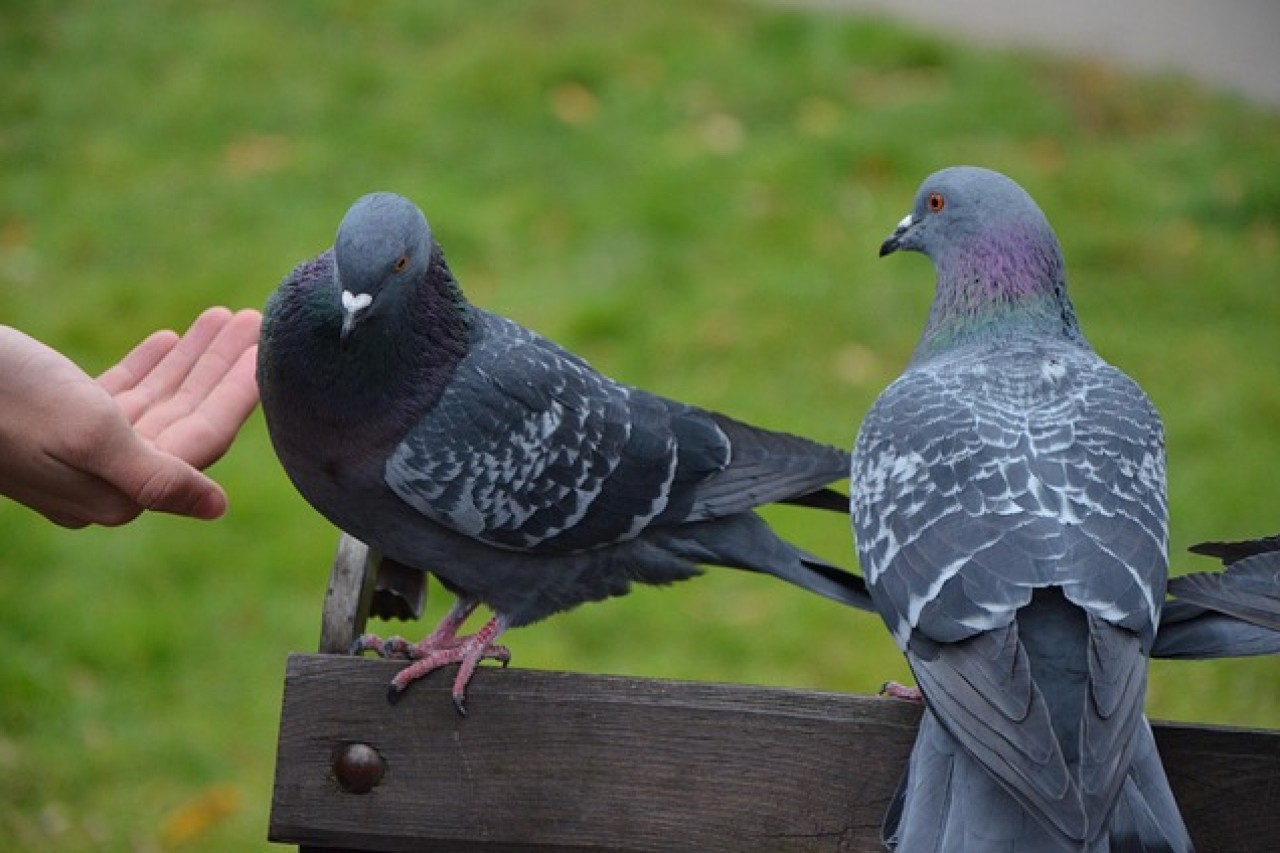
As part of a three-year pilot project, three existing pigeon lofts at the Primarschule Thierstein, at the Gymnasium Leonhard and at the Schulhaus Wettstein in Basel are to be put back into operation.
This was announced by the Basel government. The aim of the pilot project is to minimise the problems associated with urban pigeons .
According to the announcement, the costs for the three-year pilot project amount to 520’000 francs. The pilot project is set to begin in 2026.
No Establishment of Lofts Across the Board
The government wants nothing to do with the initiative's demand for the widespread establishment of lofts across the city. These would cost up to 2 million francs per year, without any known impact on the health of the pigeons or the population size, it was stated. The vote on the initiative is scheduled for May 2026.
The initiative “New Urban Pigeon Concept,” submitted in April 2024, calls for halving the urban pigeon population to approximately 3,000 to 4,000 pigeons. This is to be achieved, among other measures, by opening at least one pigeon loft per district where the animals are fed.
Zurich
In the city of Zurich, a ban on feeding pigeons has been in place since January 2023 — but it has produced the opposite effect. “Since the feeding ban came into force, significantly more feeding has been taking place than before,” states the response to a parliamentary motion. As a result, the pigeon flocks have grown. Those who do not comply with the ban face fines of 200 francs. However, these do not appear to be a deterrent. Organised pigeon feeders continue to scatter food despite the ban, and the fines are shared among themselves, reports SRF.
In the worst case, shooting is a possibility in Zurich. Over the past five years, an average of around 1’300 pigeons were culled annually – at “critical locations,” specifically when certain areas become too dirty. “The city of Zurich aims to maintain a small, healthy pigeon population, as large flocks can cause problems. In doing so, the city adheres to the applicable legal regulations.” At the same time, a monitoring programme is underway – the findings could give rise to discussions about new measures.
However, culling cannot achieve long-term population reductions. Between 1961 and 1985, Basel killed 100’014 feral pigeons through shooting and trapping, without achieving any lasting decline in the population. Culling measures such as shooting or trapping were previously used throughout Europe as a method of regulating feral pigeon populations. However, it is scientifically established that they do not produce any significant long-term reduction in population numbers. The resources freed up – such as food supply and nesting site capacity – are rapidly compensated for through immigration or increased natality among the remaining animals. Furthermore, shooting pigeons in urban areas involves considerable logistical effort and requires specialised equipment. For reasons of safety and due to animal welfare concerns, this method is today largely unacceptable to the urban population.
Bern
In the city of Bern, pigeons are cared for in eight dovecotes, where species-appropriate food, nesting sites and medical care are ensured. To prevent the population from growing too large, male pigeons are sterilised through a minor procedure. The city has transferred responsibility for pigeon management to the animal park.
The costs currently amount to over 200’000 Swiss francs per year. The focus is, however, on the old town, which is a UNESCO World Heritage Site. Were additional districts to be included, costs would increase accordingly. The animal park is satisfied with the model. It is based on scientific findings, is ethically justifiable and complies with animal welfare standards.
Lucerne
With the project “Stadttauben Luzern” the city has been working since 2001 to ensure that fewer, but healthier, pigeons live in Lucerne. With success: today, approximately 2,500 pigeons live in Lucerne, compared to around 7,000 in 2001.
St. Gallen
The handling of pigeons in the city of St. Gallen raises unanswered questions. This is evidenced by public discussions in recent months. Green city councillor Cornelia Federer has now submitted a motion demanding answers on the management of pigeons. In particular, she wants to know whether the city council would be willing to establish pigeon lofts in order to keep the bird population in check and to identify and address health problems among the animals. To date, the city government has rejected this demand, which has repeatedly surfaced over the years.
Solothurn
The approximately 400 street pigeons in Solothurn are cared for in pigeon lofts located at the Baseltor, in the attic of the Jesuit church, in the old prison in the Vorstadt, and in the Buristurm. Many people were concerned that the pigeons were not getting enough food, since no one feeds them in the streets anymore. Very few people understand that pigeons must not be fed by the public. If unsuitable food is provided, it can make the birds ill. Moreover, a city provides more than enough food for the animals on its own. There are various ways to control a population, but according to experience in Solothurn, only minimising food sources has a lasting effect.