Hunting Season
If more and more wild animals are being shot because there are more and more of them, does that mean even more need to be shot in order to reduce their numbers?


This provocative question by the Viennese zoologist Dr. Wolfgang Scherzinger gets straight to the point.
In many areas of Switzerland, the new hunting season begins at the start of September.
Hunting is always also a form of war against living beings, in which the negative traits of human nature come to the fore.
In the deer factory of Graubünden in Switzerland alone, in 2014, 1,007 (995, 964) on-the-spot fines were issued for violations of hunting legislation, and 95 (127, 125) reports were filed with the district offices. Practically every fifth hobby hunter among the 5,804 (5,946) was an offender, with a large number of unreported cases in the annual cycle.
Graubünden with its recreational hunting is traditionally not an illustrative example. This Alpine canton (7,105 km²) is considerably smaller in area than the Alpine cantons of Bern, Valais, Ticino and Uri combined (15,072 km²), and yet Graubünden shows proportionally ever-increasing kill numbers for red deer and roe deer due to improper hunting practices. In 1970, there were still 4,300 roe deer in Graubünden, whereas today there are around 14,500. For red deer, the number has grown from 9,000 to over 15,400. Many deer are migratory animals from surrounding areas and do not actually belong to the hunters of Graubünden any more than they belong to the general non-hunting population. Approximately 22,500 wild animals are killed each year during the high and small game hunting seasons in Graubünden. Around 1,100 follow-up searches are required, of which only about half are successful. Most of the game meat ends up in hunters’ freezers. Wildlife damage to agricultural crops in the canton was compensated in 2014 to the amount of CHF 76,901 (60,335; 52,200). Fallen wildlife among ungulates is recorded at 2,965 (3,321), namely 792 (805) red deer, 1,446 (1,749) roe deer, 498 (595) chamois and 229 (172) ibex.
Hunters systematically disturb the peace of wild animals
Today, modern wildlife biology and science explain that hunting pressure increases wildlife populations, because the remaining animals simply increase their birth rate. Hunting does not mean fewer animals, but more births. The regulation of wildlife populations is not achieved through hunting. Hunting is most often the cause of alleged problems. When overpopulation threatens a habitat, the birth rate is reduced. When many animals are killed by hunting in autumn/winter in a given area, the survivors have access to better food resources. Wildlife that emerges strengthened from winter reproduces earlier and in greater numbers in spring. The wildlife-biological necessity of hunting has not only never been proven, but has been disproven in many places.
The careless destruction of biologically important social structures within huntable species through shooting also causes lasting damage to the genetics of animal populations. The word «sustainability» is misused by hunters to legitimize wrongdoing. If there were a meaningful regulation of wildlife through hunting, it would not be necessary to decimate the wildlife population from scratch every single year.
For most hunting measures, there is no reasonable justification. This is supported by numerous scientific studies. Because hunters nonetheless wish to pursue their desire to kill and their trophy cult, they have been serving us all manner of “hunters’ tales” for decades, with consequential costs in the millions for society and to the detriment of wildlife and nature conservation. If a lie is repeated often enough, it becomes hunters’ folklore.
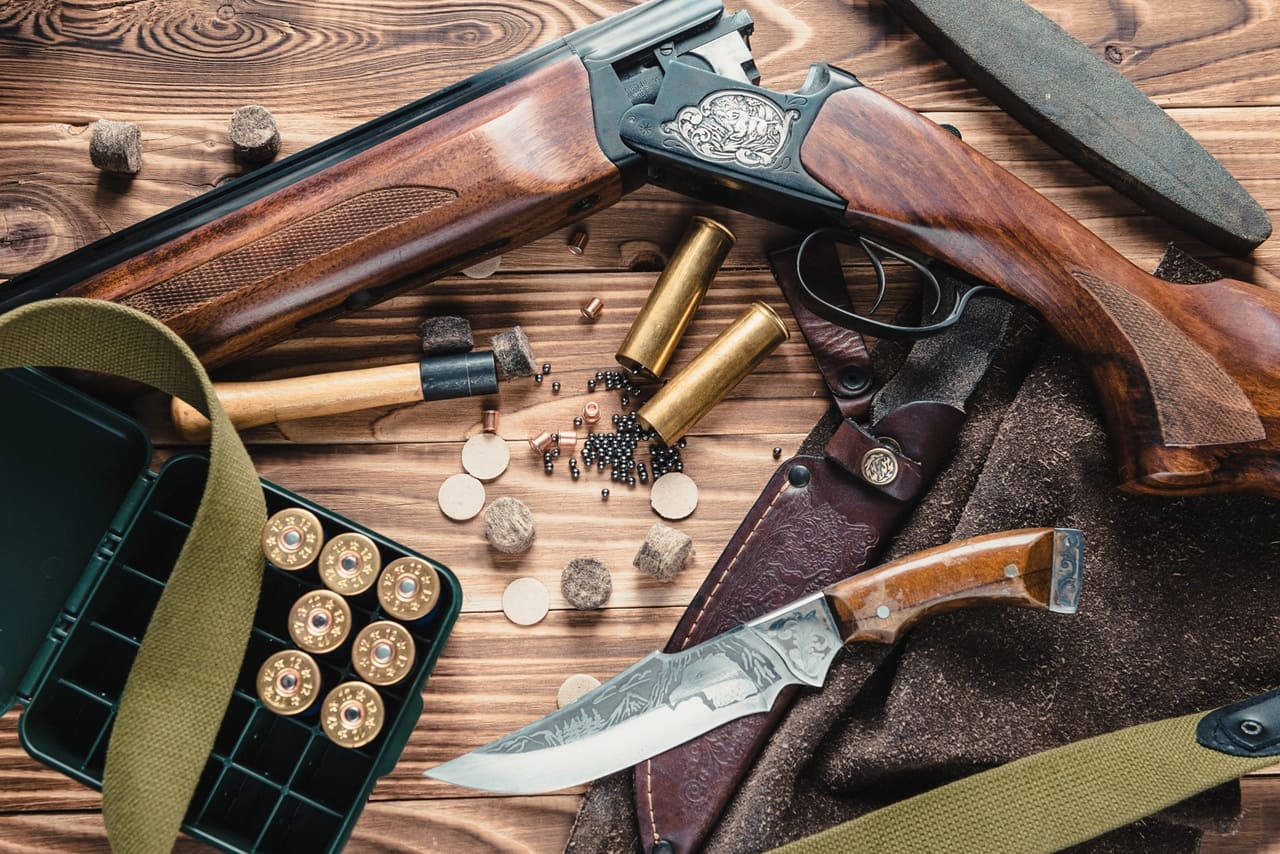
The contamination caused by the countless tonnes of lead and other highly toxic heavy metals that hunters leave behind in nature when shooting is nothing short of eco-terrorism. But lead ammunition is not only harmful to humans — it is also a particularly cruel form of hunting. Wounded and unrecovered animals frequently suffer not only from their injuries but also from slow lead poisoning. Carrion contaminated in this way also harms predators such as foxes, lynx, badgers, wolves, and others. Finland, Denmark and the Netherlands banned lead ammunition long ago. In North Rhine-Westphalia in Germany, this ammunition has also been banned as of 1 April 2016, affecting 87,000 hunters.
Many, numerous, seemingly insignificant aspects of hunting have negative effects. For example, Eurasian jays and other birds are shot for their colorful feathers, even though they are indispensable as seed dispersers for the reforestation and regeneration of woodlands. The Eurasian jay is a thorn in the side of hobby hunters because it calls out when danger approaches — thereby alerting and driving away the game that hunters want to bag. Hunters also bear co-responsibility for the many wildlife-related road accidents. Hunting paralyzes normal economic sectors. The primary cause of forest damage is hunting pressure. There are no viable wildlife populations because there is no species-appropriate regulation. Hunting promotes criminal tendencies such as backroom dealing, cronyism, corruption, addiction problems, arms smuggling, poaching, and so on.
Large mammals such as roe deer, red deer, and wild boar switch their digestive systems into an “energy-saving mode” during the colder season. Nature has designed this mechanism to compensate for the scarce food supply in winter. Metabolic activity is reduced, body temperature and pulse rate are lowered. The animals then consume little food and correspondingly reduce their energy expenditure.
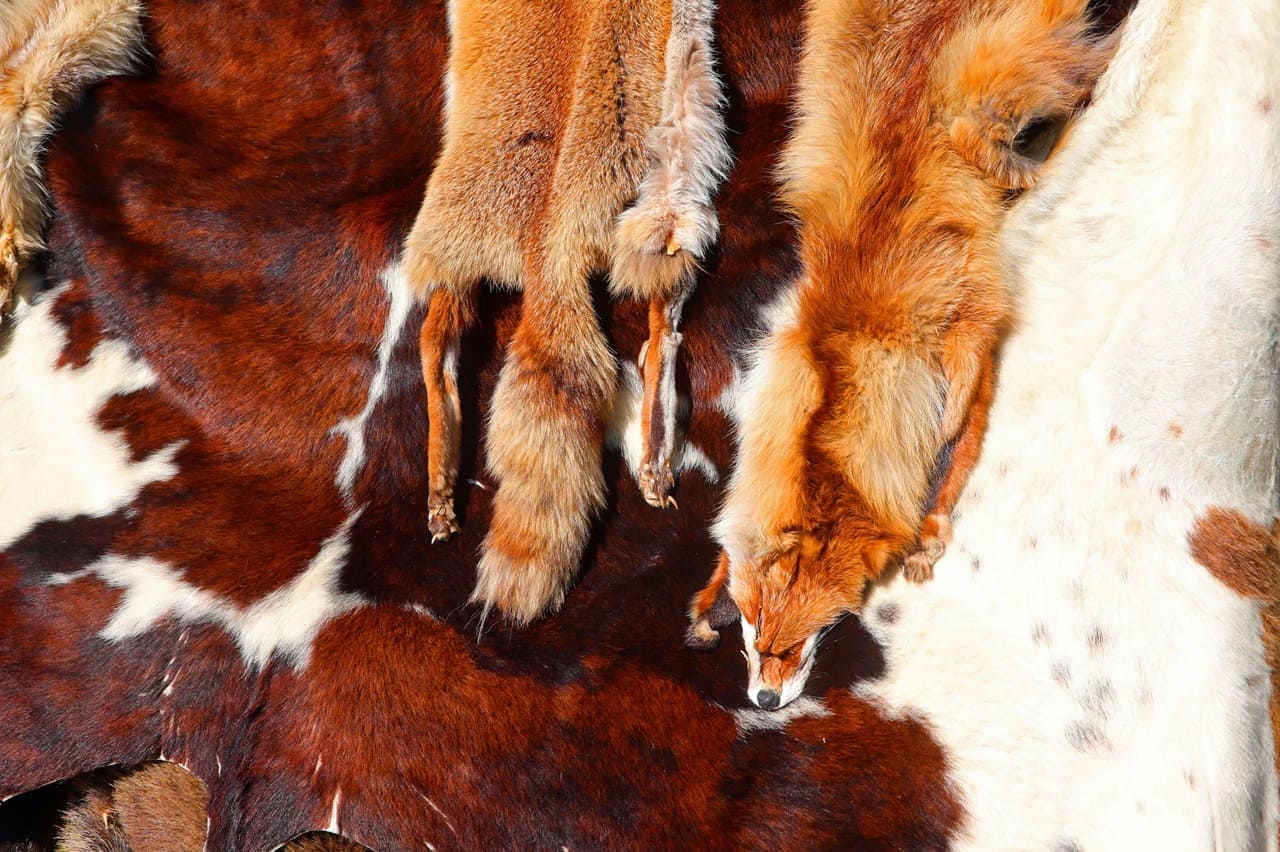
Disturbances of wildlife in winter dormancy caused by hunting activities — such as the pointless pass hunting of healthy foxes, which is carried out at night during winter (until early March), or special hunts — can have fatal consequences for both wildlife and forest owners. Every shot fired and every presence of hunters engaged in activities driven mostly by hunting passion rather than wildlife-biological or ecological necessity constitutes a massive disruption to entire wildlife populations in the surrounding habitat. The energy-consuming flight responses worsen the animals’ energy balance, which must be compensated for by additional food intake. This too establishes a direct link between hunting and browsing or bark-stripping damage. The numerous hunting activities in late autumn and winter, following the digestive adjustment of many wildlife species, provoke increasing damage to crops and forests despite the temporary reduction in wildlife numbers.
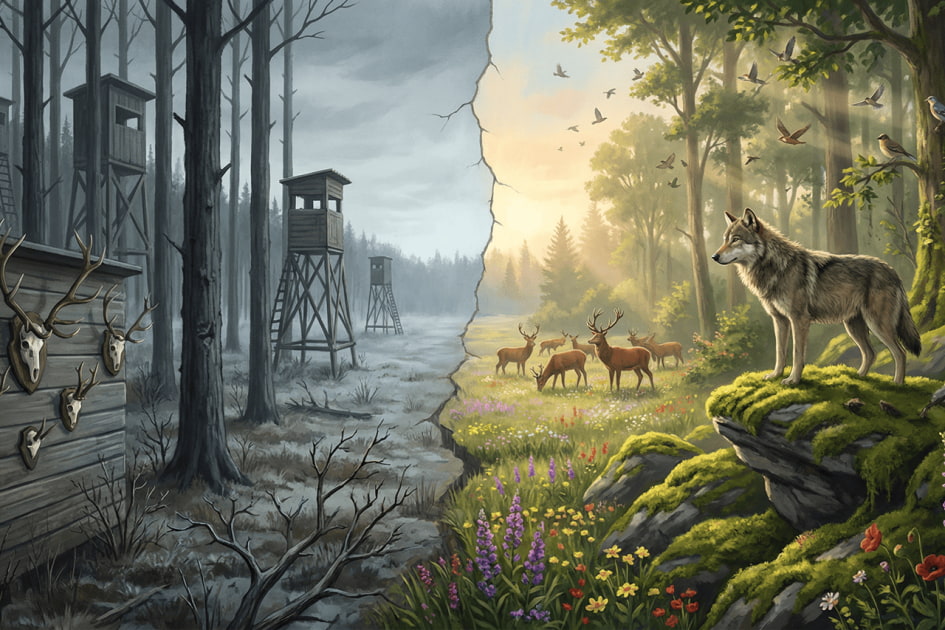
There is nothing more unnatural than hunting as it is practiced today
Hunting does not regulate wildlife populations in accordance with their natural abundance, but instead creates inflated or suppressed stocks. The unnatural problems and overpopulations are manufactured in particular by the hunters themselves, so that hunters can assign themselves an ostensibly legal mandate. Hunting has long since ceased to have anything to do with honourable wildlife management and has, beyond all ethics, degenerated into an ever more brutal slaughter of wild animals. Organising attractive hunts for the enjoyment of wildlife terrorists is part of the agenda. In the relevant circles, it is deceptively referred to as «habitat-adapted wildlife populations», «fine regulation», «two-tier system», «dynamic management», «use», «harvesting», «skimming», or similar sect-like propaganda.
JagdSchweiz knows that wildlife populations would fundamentally regulate themselves — even in our cultivated landscape — as the umbrella organisation of Swiss hunters wrote on 29 August 2011.
Wild animals are not clay pigeons. Nor is it necessarily the case that unhunted wildlife causes greater damage, as can be clearly observed in hunting-free zones. On the contrary! Wildlife browsing can even promote forest regeneration, according to a study conducted in the Swiss National Park. In this context, it is also cynical and selfish to speak of damage. Wild animals such as roe deer and red deer do not overeat, but simply consume plant-based food — often precisely where hunters have positioned them. Today, no hunter needs to go hunting to obtain food. He picks up his weapon because he wants to kill.
With schizophrenic and increasingly immoral hunting planning (during the high hunt in September, the shooting of young and mother animals etc. is prohibited, unethical and subject to fines, but during the special hunt a few weeks later it is explicitly encouraged, etc.), pilot projects for shooting young roe deer, hunting near wildlife sanctuaries, disturbances and hunting in wildlife protection areas, etc., the focus is on preserving a culture of hunting devoid of ethics, with little regard for integrity in the interest of wildlife. It demonstrates that the entire concept is fundamentally flawed. Just as those responsible for hunting and fishing cause the greatest unrest and disturbances of all nature users among wildlife every year, they are increasingly provoking this as well in politics, tourism, nature organizations, among legal professionals, the general public, etc.
Those responsible for hunting and the state authorities allow themselves to be paid with blood money for acts of animal cruelty. They continuously pervert and manipulate hunting and hunters alike. There are serious doubts about the accuracy of statistics, wildlife biology, and hunting ethics. Much of it resembles disrespectful animal experimentation more than sound science. The authorities also fail to achieve their stated objectives with the special hunts (during the special hunt, wildlife is chased and slaughtered in the snow during the Advent season with the assistance of cars and mobile phones). In part right on the doorstep of ordinary residents and before the eyes of children, etc. The special hunt has opened the eyes of many hunters to what hunting actually is, and they are appalled by it.
Hunting is embedded in structures that completely undermine democratic principles. Hobby hunters are often heads of hunting authorities and decide in their own interest on the interpretation, application, and sanctioning of hunting activities, which guarantees advantages and dependencies for those involved. Wildlife are not livestock, as many hobby hunters falsely claim. Wildlife does not belong to hunters either (res nullius), who believe they can do with them as they please. That wildlife may naturally die before the hobby hunter can even fire a single shot for their own amusement is presumably also a central consideration in hunting planning.
Competitive pressure within the hunting community and unfairness are steadily increasing. Shot, injured and psychologically suffering wild animals are part of normal hunting operations. The cantonal hunting and fishing authorities thereby also mock Swiss legislation, which clearly states that hunting must be conducted in a fair-chase manner. Ironically, they demand this of hobby hunters. The regular special hunts are based on incompetence, poor science, hunters' tall tales and continuously create new animal welfare violations. The hunting and fishing authorities are often unable to provide precise scientific data — much is merely estimated, assumed and distorted. False ideologies are used to preserve, even promote, a culture of poor hunting practice, in the spirit of an abhorrent tradition. More than a few experts, as well as wildlife wardens at home and abroad, are left shaking their heads at the colourful conduct of such authorities, which are also frequently courted by local media.
Under the concept of “Hege” (stewardship), the law understands the protection and care of wild-living animals, whereas “Jagdausübung” (the practice of hunting) refers to the pursuit, trapping and killing of game. The aim is to keep wildlife populations that are of interest to hunters stable at a high level, and to replace predators such as wolves and lynx that have been weakened in our region by hunters' hands. This is also why foxes are hunted with such fervour. Through small game hunting, hunters deliberately cause severe disruptions to the natural balance of species in order to hunt more successfully. Habitats are intentionally manipulated and disturbed, to the detriment of all wild animals.
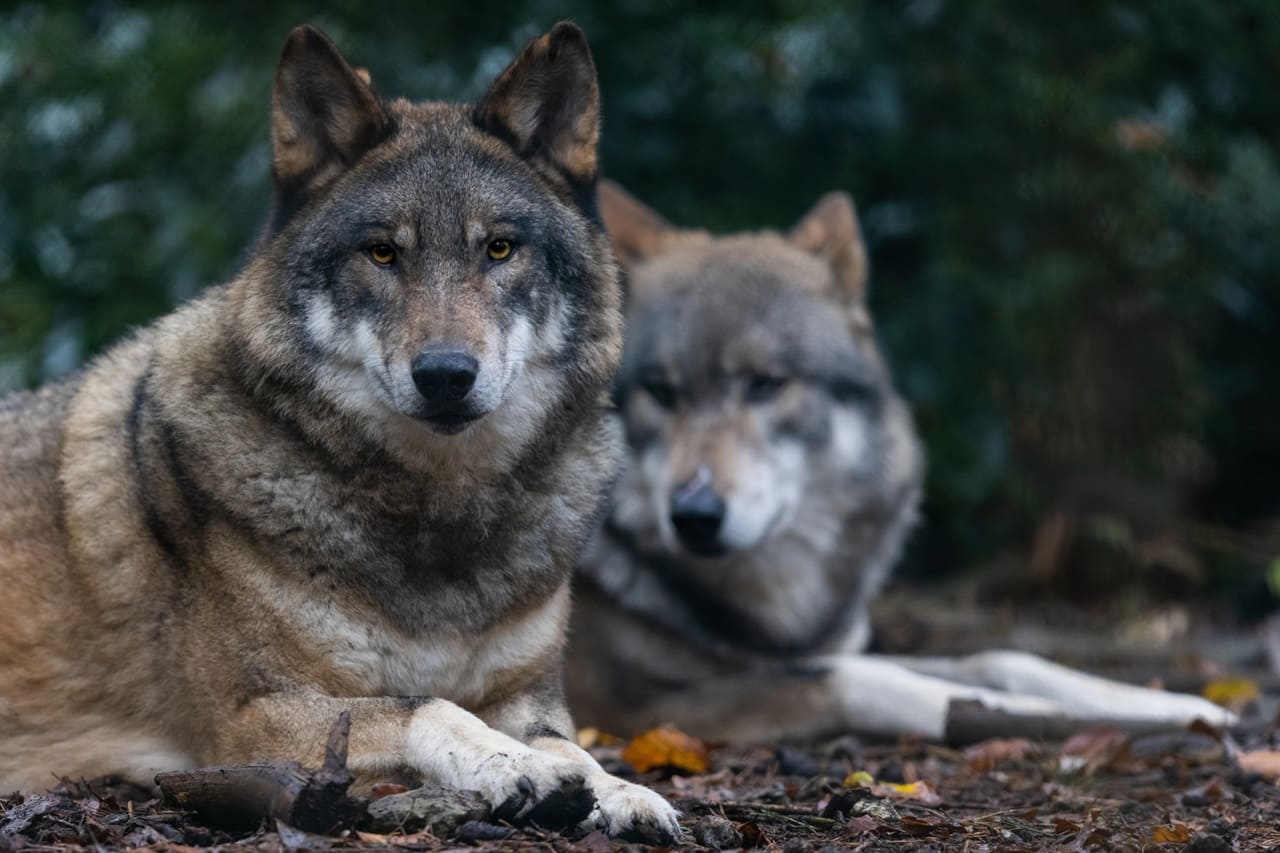
Hobby hunters and farmers create a hostile climate towards predators such as wolves, foxes and lynx, which perform ecological work naturally and more effectively — including for the peace of mind of hunters themselves. Winter mortality and disease are also part of ecological regulation and provide important food for other predators and species. Wild animals also recover from illness on their own. Hunters always believe they must intervene everywhere, yet they are annually the greatest perpetrators of an unnatural mass die-off and disturbing scenes. Hunting fever is a disease. Whoever does not let wild animals be wild animals understands nothing of wildlife or ecological relationships in nature.
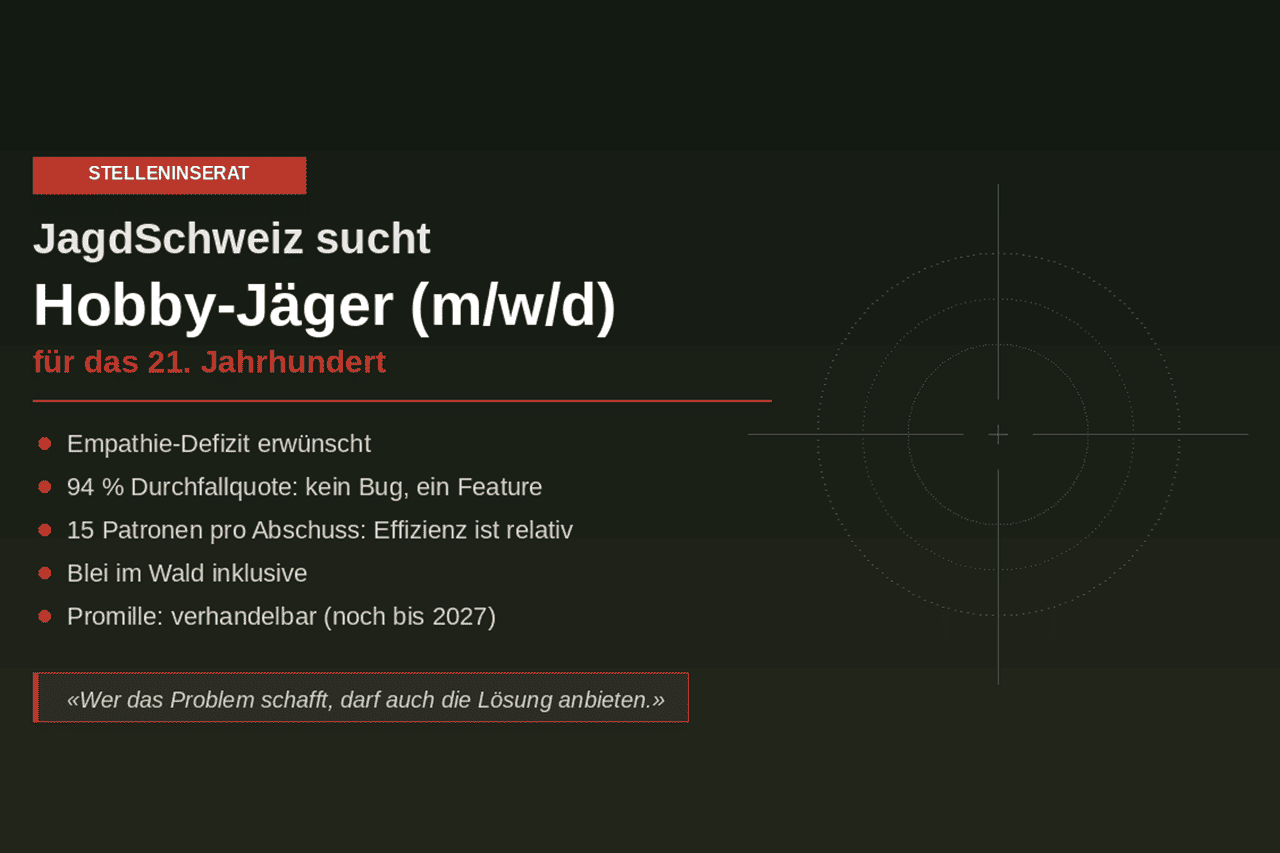
The joy of killing wildlife cannot be a goal of our society and is in no way conducive to peaceful coexistence in our cultural landscape. In this environment, one predominantly encounters mentally predisposed individuals who are profoundly lacking in capacity for empathy. A glance at the relevant hunting magazines such as the «Bündner Jäger» or the photo galleries from the cantonal hunting and fishing authorities, trophy shows, etc. regularly confirms this and reveals a disturbing pleasure in killing. When examining the structures within the hunting community and the actions of political authorities, only one consistent conclusion is possible: hunting as practised in Switzerland is predominantly recreational hunting, in which trophy culture, social experience, and the desire to kill — along with the associated expression of feelings of power in nature — take centre stage, at the expense of living beings. The latter is repeatedly confirmed by hunters’ own accounts.
The abolition of hunting would raise the cultural level as well as the quality of life for wildlife and society as a whole.
In Geneva serious wildlife management costs the taxpayer not even a cup of coffee per year. In doing so, the Genevans also implement the Animal Welfare Act, for no one may unjustifiably cause an animal pain, suffering, or harm, or put it in a state of fear. What hundreds of hunters previously did poorly in Geneva is today handled more effectively by 12 wildlife wardens, alongside many other duties.
Animal cruelty through hunting cannot be a legal mandate.