Hobby hunters in Graubünden have failed
The Graubünden hunting system has not been functioning satisfactorily in its current form for decades — otherwise deer populations would hardly have increased by 5,000 to reach 16,500 deer. Foresters, for example, cause far more damage to forests than wildlife — which always serves as the scapegoat. In many hunting circles, the predators wolf, fox and lynx are also vilified and poached, even though they demonstrably address the problems in a sustainable and professional manner.


Rainy weather and fog, or high temperatures, are said to have thwarted the Graubünden hobby hunters during this year's high hunt.
The wildlife killers must carry out the cruel special hunt in November and December in order to meet their quota. During this slaughter, the cull plan is to be fulfilled above all for deer.
Hobby hunter Dr. Adrian Arquint, head of the Office for Hunting and Fishing in Graubünden and organiser of Switzerland's most inglorious hunting event, notoriously claims: «Without hunting in November and December, any regulation of deer and roe deer populations would be unthinkable». Which is of course based on hunters' jargon, charlatanism and tea-leaf reading — or on dishonest manipulation, so that things remain exactly as they are or get worse.
Populations have not truly been regulated by the culture of violence in Graubünden for decades — they have been decimated, and the birth rate has been stimulated. Hunting does not mean fewer animals, but more births. A consequence of current methods is that, among other things, roe deer and red deer become even more skittish and shift their daily activity entirely into the night. This leads, among other things, to numerous road accidents.
A special hunt is, as the name suggests, a corrective measure. When a corrective measure becomes the norm, something is wrong with the science, wildlife biology, planning and execution — and this has been the case in Graubünden for 30 years.
If there were enough predators such as foxes, one would not have such artificially inflated roe deer populations that then need to be “harvested” — to use the reprehensible language of wildlife killers.
Studies conducted in various countries and at various points in time have documented the influence of the red fox not only on roe deer populations: for the Bernese Midlands, it is estimated that a single fox can prey on an average of eleven fawns during the months of May to July. This would also reduce wildlife browsing damage.
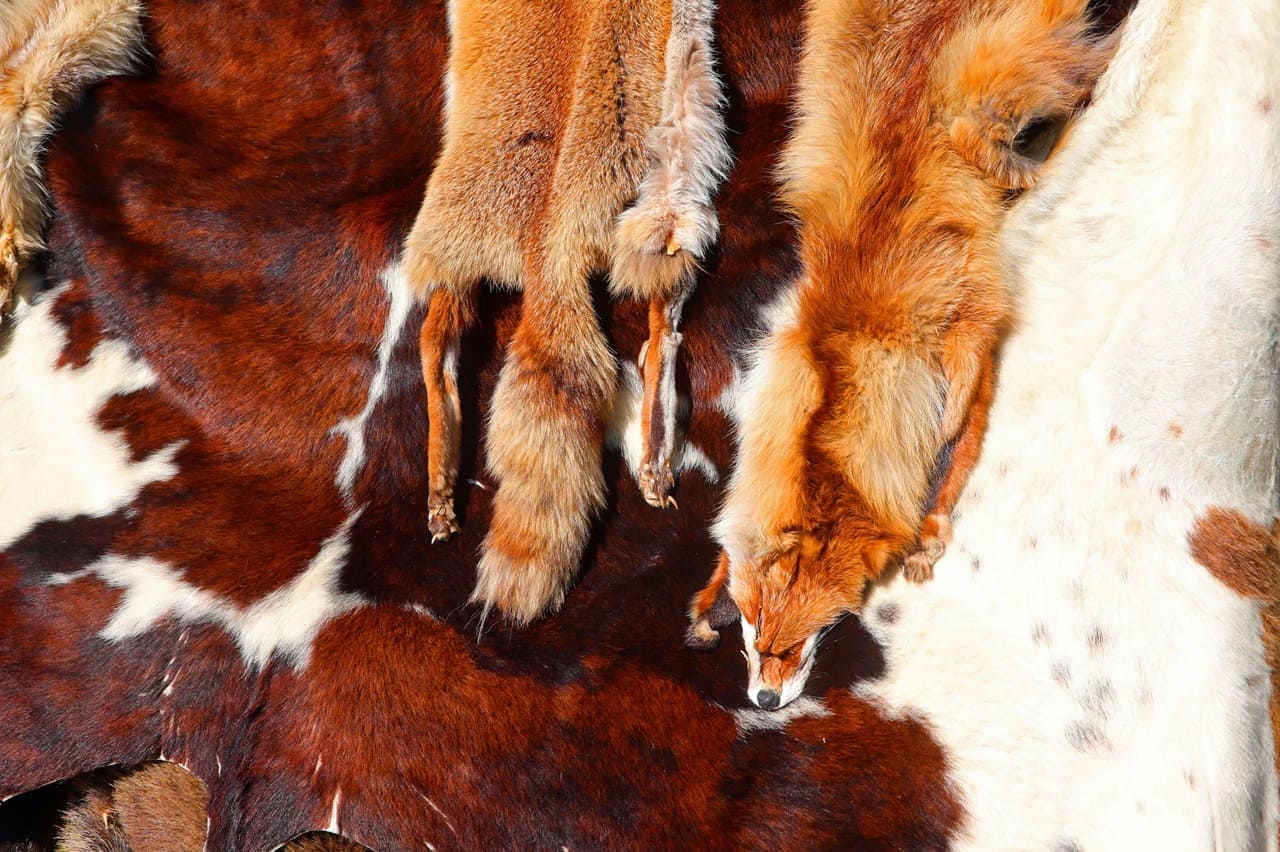
Yet every hunting season, thousands of healthy foxes are still senselessly slaughtered purely for sport by Grisons hobby hunters, without any culling plan, even though there are more than a dozen studies that document this absurdity. Those who are dissatisfied with their own existence go hunting.

Accordingly, every fox hunt constitutes a clear violation of animal protection law, as there is no justifiable reason for it. For more than 30 years, there have been at least 18 wildlife biology studies proving that fox hunting neither regulates populations nor serves any purpose in disease control. Quite the contrary!
Scientific research has shown that even when three quarters of a population are culled, the same number of animals is present again the following year. The more intensively foxes are hunted, the more offspring are produced — any form of “regulation” of fox populations is neither necessary, nor is it even achievable through hunting methods.
The opponents of special hunts have an entirely different conception of population regulation than the militant recreational hunter milieu, which indulges in a reprehensible culture of violence.
The canton of Graubünden treats recreational hunting as a source of revenue. The hobby hunters therefore claim that the animals belong to them. This is false: there are no legal ownership claims — wildlife fundamentally belongs to the population as a whole. The slogan “No hunters, no wildlife” merely illustrates how limited hunters' knowledge truly is. According to studies and statements by wildlife biologists, hunting is unnecessary and counterproductive. The intense hunting pressure destroys family groups and social structures, causing animals to reproduce in an uncontrolled manner, detached from their natural reproductive cycles. Intensive hunting drastically reduces the life expectancy of wild animals. This leads to earlier sexual maturity, which in turn increases birth rates — and further degrades the animals' gene pool. Even JagdSchweiz, the umbrella association of hunters, wrote in August 2011 that “wildlife populations would fundamentally regulate themselves — even in our cultivated landscape.”
Marion Theus – Wildtierschutz Schweiz
There are several hunting-free areas in Europe that support this thesis. In the canton of Geneva, a general hunting ban was approved by voters in 1974. Despite dire predictions, the costs of wildlife management there now amount to the equivalent of one cup of coffee per taxpayer per year — a modest contribution to animal protection.
The killer of young wolves: Dr. Adrian Arquint

Dr. Adrian Arquint is increasingly manoeuvring himself into a dead end. On the first weekend of October, he ordered a brutal shooting operation targeting the Beverin pack in the canton of Graubünden, with the aim of killing 2 of 4 young wolves, following at least 15 livestock kills from goat herds that were allegedly protected by properly installed electric fences over the course of the summer. This caused a threshold to be exceeded. DNA samples identified the male parent M92 as the perpetrator. However, this individual is being spared.
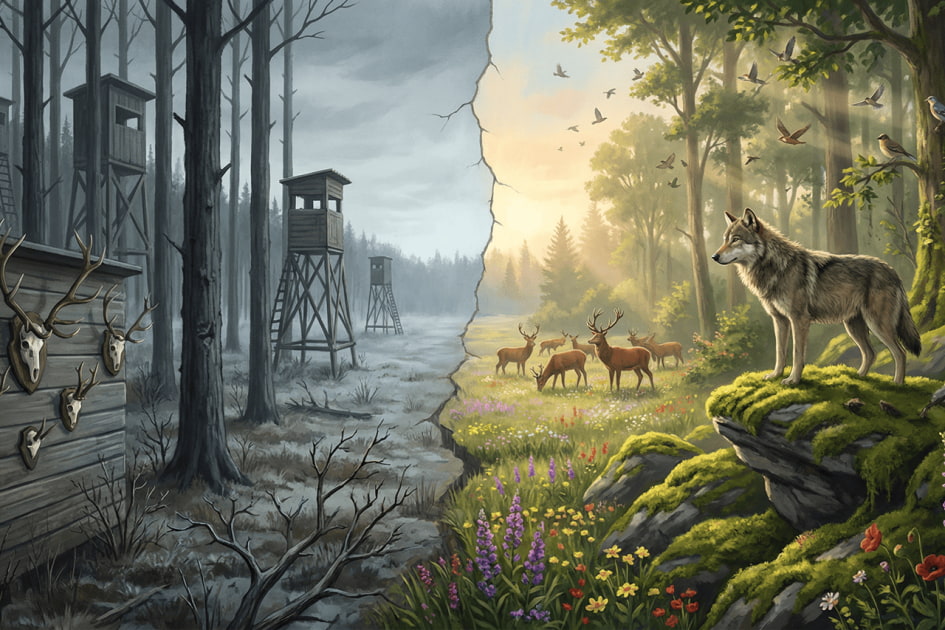
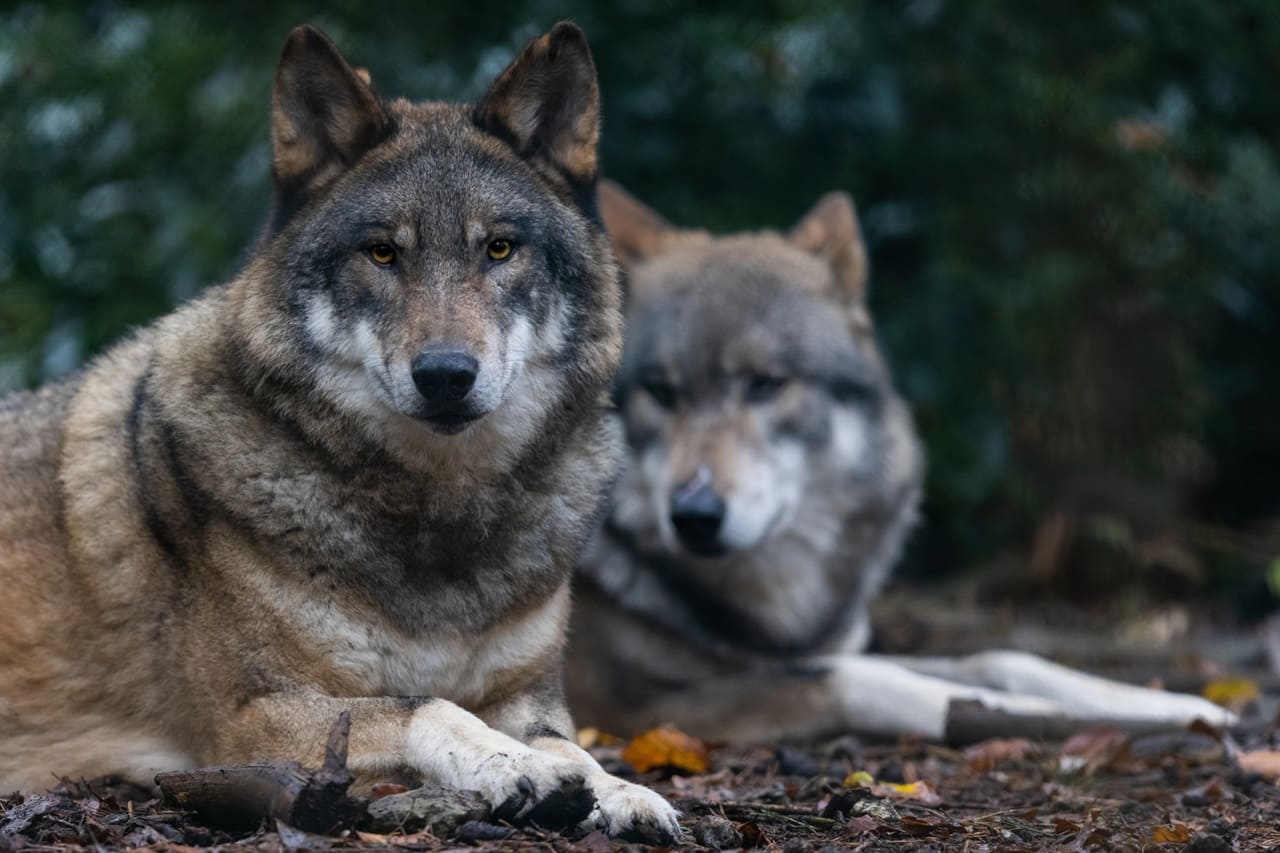
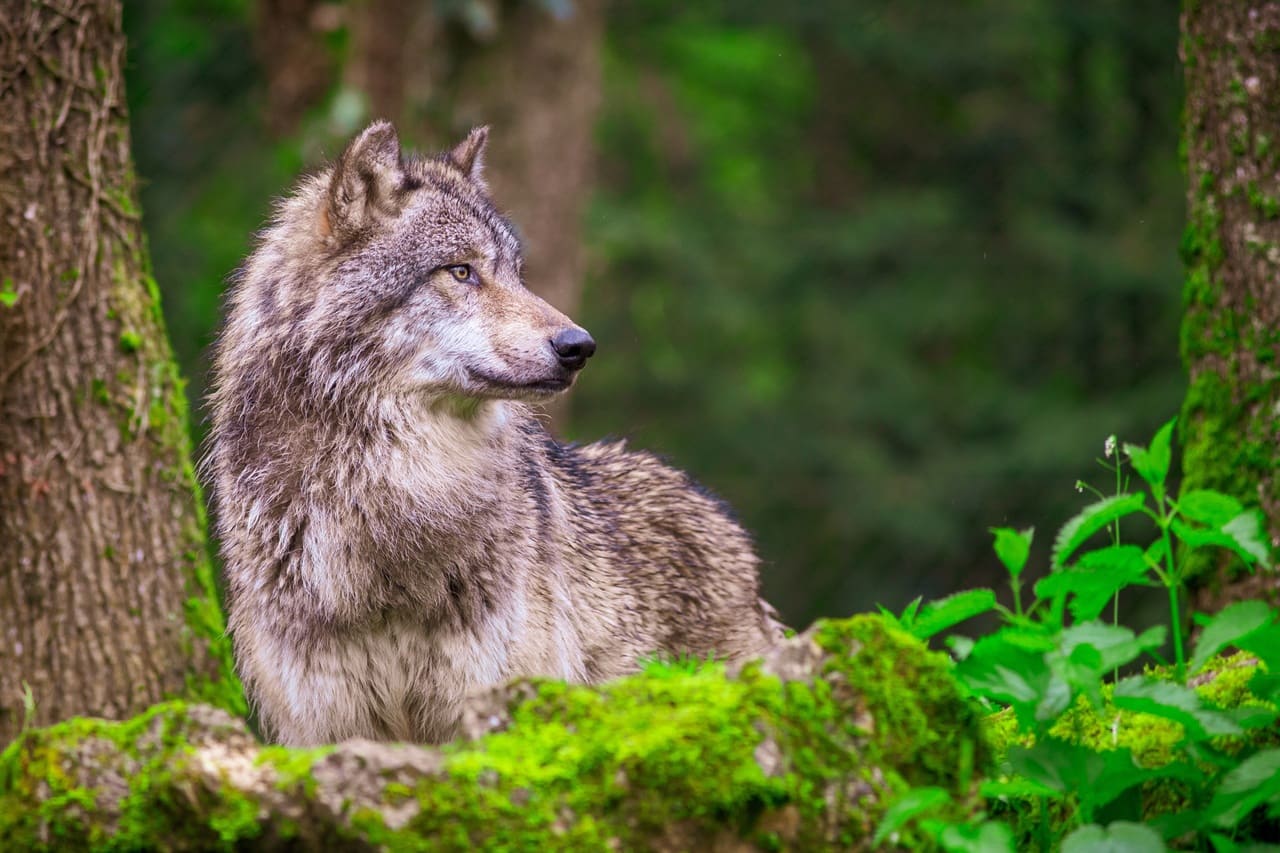
Near the Calanda mountain range close to Chur, a wolf pack regulates the red deer population entirely on its own. A special hunt is therefore largely unnecessary here — much to the dismay of these hobby hunters.
Apart from absurd attempts at justification and excuses, the Office for Hunting and Fishing in Graubünden has for years failed to deliver what it is actually mandated to do.
2,300 more deer in the crosshairs
5,560 deer were supposed to be shot by the wildlife killers during the three-week high hunt in September according to official targets. Effectively, 3,309 animals were killed.
This means that approximately 2,300 additional deer must be brought down during the barbaric special hunt in November and December. This year, the special hunt takes place from November 2 to December 18. Around 3,400 hobby hunters registered with the authorities for this slaughter.
To reduce the red deer and sometimes also the roe deer population, relaxed regulations apply during the special hunt. Practically everything that is illegal during the high hunt is permitted during the special hunt. Pregnant and nursing hinds, as well as roe does and their young, entire social structures — as if in a blood frenzy, they are shot down without mercy, respect, or hunting ethics, often even in deep snow. Like terrorists, the hobby hunters invade the winter refuges of wildlife. By shooting pregnant hinds, the unborn young (fetuses) suffocate in the womb. Common sense therefore speaks of morally, ethically, and from a hunting perspective reprehensible scenes. The special hunt is proof that hunting ethics are a mirage. Graubünden hunting is simply criminal. It is just that our legal system has not yet advanced far enough to account for this in criminal law.
The special hunt is also controversial because it falls during a period when wildlife has already entered its winter rest. Critics also view it as a pure meat-procurement hunt and a welcome source of revenue for the canton.
A special hunt is also planned for roe deer, but only in two regions. 1,844 roe deer were shot in September, 80 fewer than in the previous year.
Additionally, just under 3,000 chamois and 18 wild boar were killed. In total, 244 female hunters and 5,392 male hunters participated in this year's high hunt.
It is known today that in Graubünden and elsewhere, things operate primarily as in a travel agency about organizing attractive hunts planned by the Office for Hunting and Fishing. The authorities are increasingly degrading humans into bestial predators and wildlife into livestock and breeding animals. The number of violations of hunting legislation and the numerous reports filed with the district offices speak a clear language. Pilot experiments are being launched as if in a large animal testing laboratory, wildlife sanctuaries and winter habitats are being massively disturbed, hunting rules suspended, and so on. Hunting fever has long since exceeded healthy limits. Wild hordes of trigger-happy hobby hunters storming the mountains for a trophy or meat, which according to the WHO can officially be placed in the same category as carcinogenic substances such as plutonium, asbestos, or arsenic.
According to the Office for Hunting and Fishing in the canton of Graubünden, there are over 1,000 reports and/or fines against hobby hunters every year!
2023 – ff : Publications
2022: The number of administrative fines issued and reports filed remained within the usual range.
2021: The number of administrative fines issued and reports filed remained within the usual range.
2020: 1241 Reports and fines
2019: 1104 Reports and fines
2018: 1114 Reports and fines
2017: 1384 Reports and fines
2016: 1201 Reports and fines
2015: 1298 Reports and fines
2014: 1102 Reports and fines
2013: 1122 Reports and fines
2012: 1089 reports and fines
These hobby hunters are evidently neither well trained nor do they possess a sound moral hygiene.
It is well known that the most miserable marksmen in the canton of Graubünden are the hobby hunters. Over the five years from 2012 to 2016, Graubünden’s hobby hunters shot a total of 56,403 deer, roe deer, chamois, and wild boar. In 3,836 cases, however, these animals were merely wounded. Missed shots resulting in injury to the animal are most frequent in Graubünden during red deer hunts. This is shown by the 2016 statistics: out of 5,440 red deer killed, 564 deer were found to have gunshot injuries. Every tenth red deer in Graubünden is merely wounded rather than killed. Based on tracking signs such as blood or bone fragments, dog handlers following up after the hunt determined that these animals had been shot and wounded. In 344 cases, the injured deer was subsequently brought down with the help of a dog. The remaining 220 tracking searches were unsuccessful.
The current annual report of the Graubünden Office for Food Safety and Animal Health notes that up to 30% of wild animal carcasses were incorrectly assessed by hobby hunters. It is assumed that cheating occurs in the evaluation of meat quality.
Particularly with hobby hunters, it is absolutely essential to look very closely. Nowhere else is so much manipulation carried out through untruths, hunters' tales, and fake news. Violence and lies are two sides of the same coin!
Addendum 2025: Hunting system confirms the criticism
Since the publication of this article in 2019, little has changed regarding the fundamental problems. The canton of Graubünden may market its hunting policy as a success, but the official figures reveal above all one thing: the system of hobby hunters remains a central part of the problem.
It remains characteristic that the high hunt alone fails to meet the inflated targets. In 2023, a total of 4’909 red deer and 2’982 roe deer were shot, yet a significant portion only during the special hunt, in which an additional 1’298 red deer had to be culled. In 2024 and 2025 as well, the special hunt is again being introduced as a necessary “correction” in order to meet the high targets for red deer and roe deer at all.
It is striking how consistently the official communications repeat themselves. Just as in 2019, poor weather and fog are invoked today to downplay shortfalls in the high hunt. References were made to “mixed” hunting weather with warmth and morning fog. At the same time, the high hunt is being sold as a success, even though the cantonal targets can only be met with a subsequent special hunt.
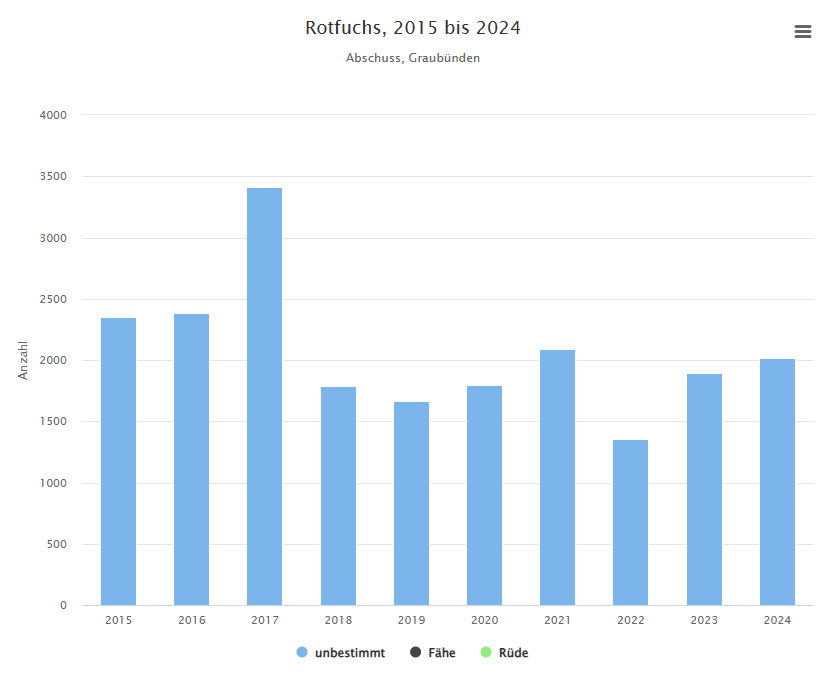
A new development is the massive expansion of hunting pressure on predators. While red deer populations are being regulated by politically mandated high hunting intensity, wolves are simultaneously being “regulated” on a large scale. As of autumn 2025, the canton and federal level have reported authorizations for the regulation of several packs; media report at least 14 to 15 wolves already shot within a short period of time. As early as 2024, 16 wolves were killed in Graubünden.
Instead of recognizing natural regulation by predators as an opportunity, they are systematically removed while the recreational hunting system is preserved and politically elevated. Together with the continued central role of special hunts, current developments underscore that the criticism articulated in the original article has not been superseded. On the contrary, it is clearly confirmed by the latest figures and the escalating wolf hunt in the canton of Graubünden.