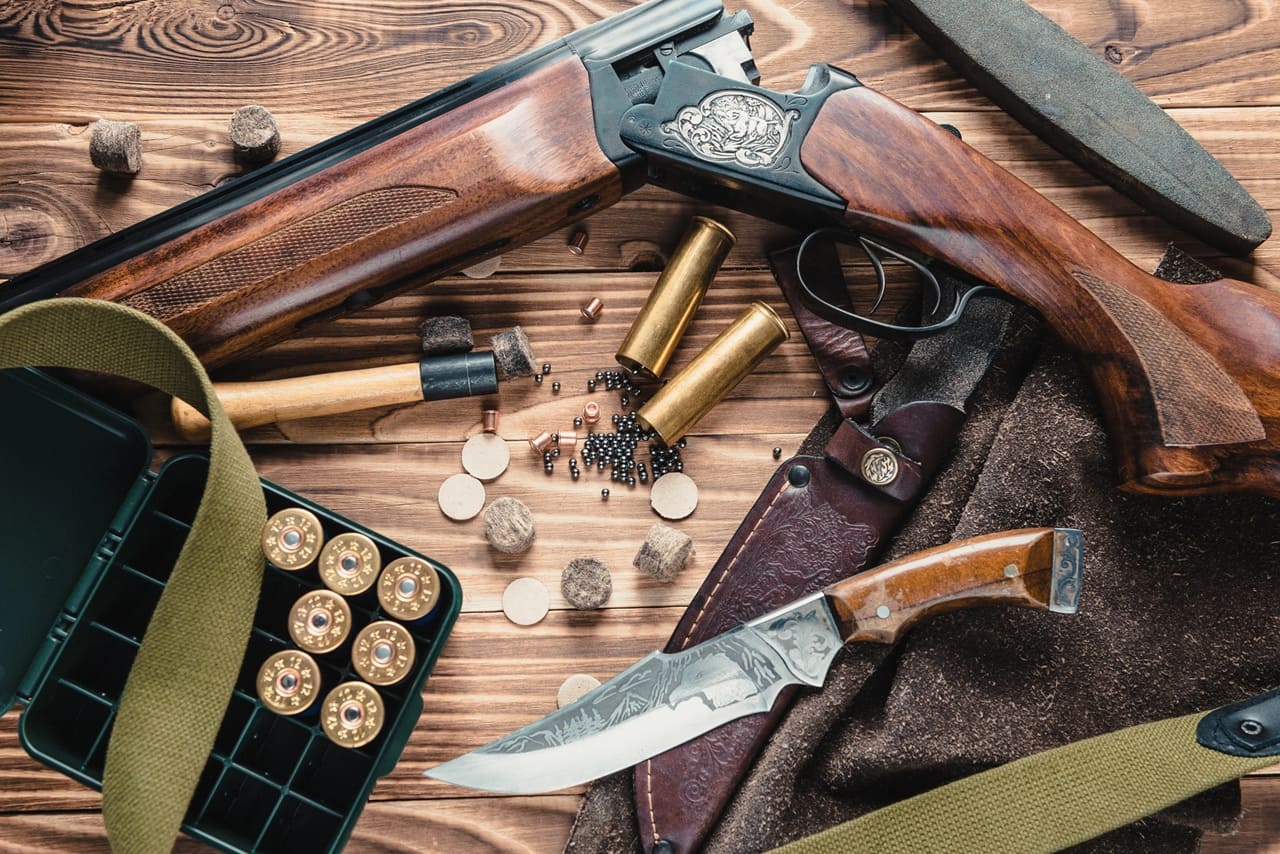
Recreational hunter poaches crown stags in Graubünden
A recreational hunter shot two protected crown stags during the Graubünden highland hunt in Seewis. The game wardens caught him while he was transporting the animals away.

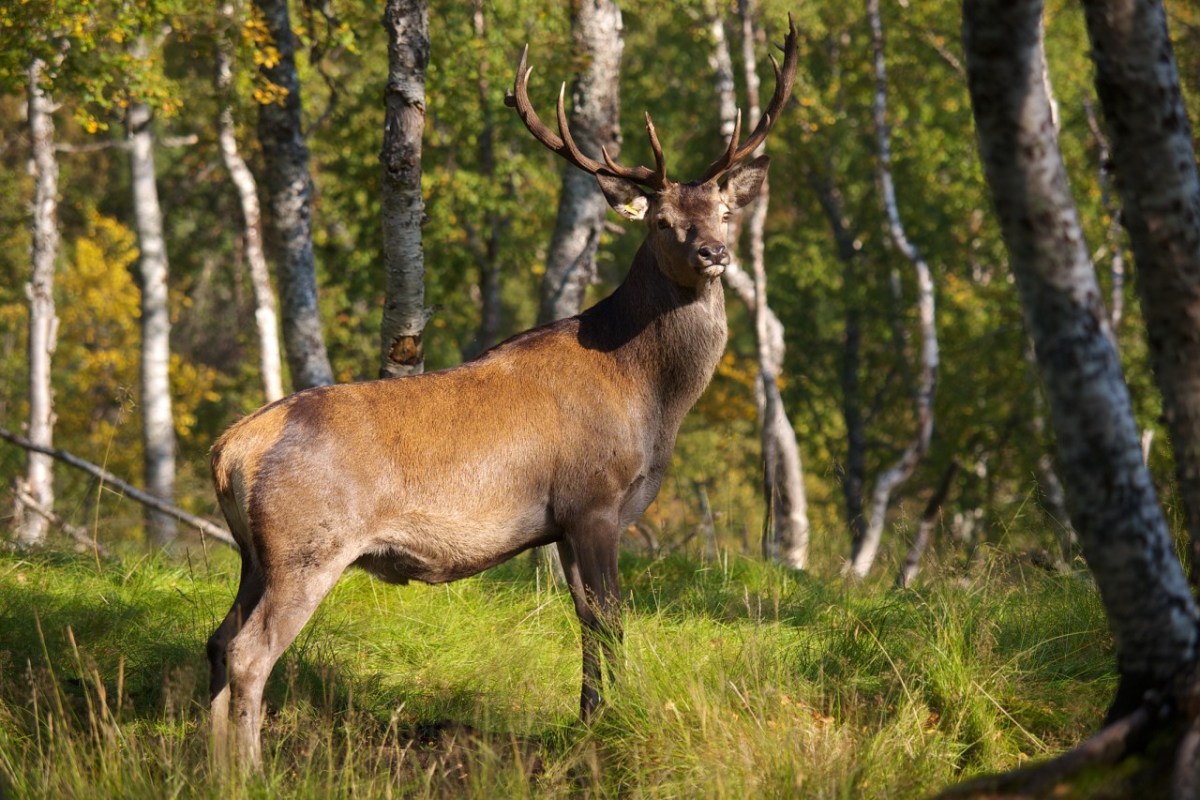
Recreational hunter poaches royal stags in Grisons
«The crown in the moss»
During the Graubünden highland hunt, a recreational hunter in Seewis im Prättigau shot two crown stags that should not have been killed.
The man was caught by game wardens as he attempted to transport the dead animals away.
The Graubünden cantonal police confirmed on 7 October 2020 reports in regional media stating that the recreational hunter had shot the two crown stags, each weighing over 100 kilograms, in Seewis at an altitude of 1,200 metres above sea level. The man did not turn himself in following the illegal kills.
Instead, he attempted to transport the stags away with the help of two accomplices. The men were stopped by two game wardens who checked their vehicle and discovered the crown stags. The case has now been referred to the Graubünden public prosecutor's office.
Valuable animals
Crown stags are extremely valuable animals for the population and should not be hunted too heavily, explained the Graubünden hunting inspector Adrian Arquint when asked. During the three-week highland hunt in September, the animals were only open to hunting for three days. According to the hunting regulations, each hunter was permitted to shoot only one crown stag.
In total, according to Arquint, around 30 crown stags are shot each year during the highland hunt. A crown stag is defined as a stag with at least three tines on each antler. In cases of illegal kills, hunters are expected to turn themselves in. In such cases, fines are imposed without involving the public prosecutor's office.
Art. 30 Hunting Regulations
- From 7 to 9 September 2020 inclusive, the bilateral crown stag with an antler length of 60 cm or more is also huntable. On these days, each hunter may shoot a total of only one unilateral or bilateral crown stag, regardless of antler length.
- A bilateral crown stag is one in which the stag has three or more tines above the middle tine on both antlers. A unilateral crown stag is one in which the stag has three or more tines above the middle tine on one antler.
- Tines of the crown are defined as projections of 3 cm or more above the antler surface. The shortest distance from the antler surface at the base of the tine to the tip of the tine is measured. 4
- For the assessment of huntability of crown stags, the measurement of the shorter antler applies.
- All unilateral and bilateral crown stags must be presented to the wildlife warden in fresh condition, regardless of antler length.
During the high hunt in September, the 5,500 hunters were required to shoot a total of 5,560 deer. A detailed report on this year's hunt is not yet available.
In the Graubünden deer factory alone, 1,104 (1,114) fixed-penalty notices and reports to the district offices were filed in 2019 due to violations of hunting legislation. Practically every fifth recreational hunter among the approximately 5,500 is thus an offender, with a large number of unreported cases in the annual cycle.
2023 – ff : Publications
2022: The number of fixed-penalty notices issued and reports filed was within the usual range.
2021: The number of fixed-penalty notices issued and reports filed was within the usual range.
2020: 1241 Reports and fines
2019: 1104 Reports and fines
2018: 1114 Reports and fines
2017: 1384 Reports and fines
2016: 1201 Reports and fines
2015: 1298 Reports and fines
2014: 1102 Reports and fines
2013: 1122 Reports and fines
2012: 1089 reports and fines
More on the subject of recreational hunting: In the dossier Poaching and hunting crime in Switzerland we document cases, legal questions and recurring patterns. What the research says about this is shown by Hunting fact-checked: the state of research.
The position of IG Wild beim Wild: IG Wild beim Wild rejects recreational hunting. Our model is the canton of Geneva, which has managed without recreational hunting since 1974: without hunting seasons, without hunting dogs, without driven hunts, without high seats, without the animal cruelty and crime that go hand in hand with hunting season elsewhere. What has worked there for over fifty years disproves every position paper by JagdSchweiz. An association that bases its policy on claims it refutes in its own documents is not a professional organisation, but a factory for misinformation.