Hobby hunters in California find wild boars with blue flesh
State authorities have issued warnings after hobby hunters reported discovering wild boars with “bright blue” flesh.

Since March, reports of this strange observation have been coming in to the California Department of Fish and Wildlife.
There is reason to believe that this peculiar occurrence is a sign that the pigs were poisoned.
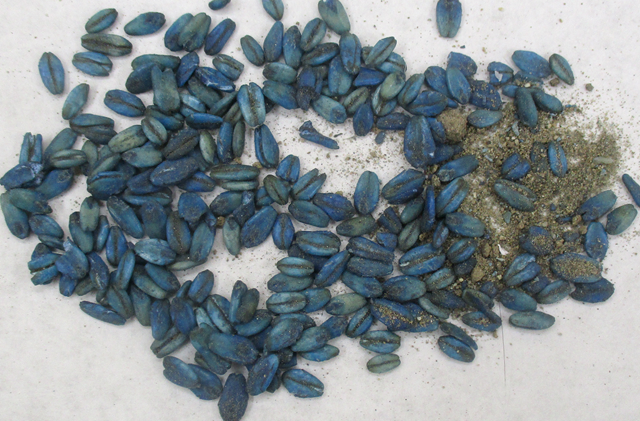
"It's crazy," said Dan Burton, owner of Urban Trapping Wildlife Control, who was the first to report the shocking incident, to the Los Angeles Times. "I'm not talking about a slight blue tinge … I'm talking neon blue, blueberry blue."
In a statement from the CDFW last week, it was noted that the pigs in the Monterey County area had been exposed to pesticide baits containing the anticoagulant diphacinone, a poison that prevents blood clotting and causes internal bleeding in rodents, ultimately killing them.
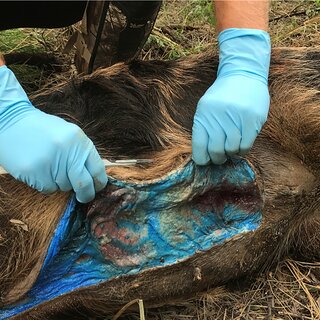
Blue tissue and flesh can be an indication of rodenticide ingestion, which can occur through the consumption of baits — often containing dyes to identify them as poison — or through other animals that have ingested the substance, according to the agency.
However, this does not mean that such blue discolouration is always present, even in contaminated flesh.
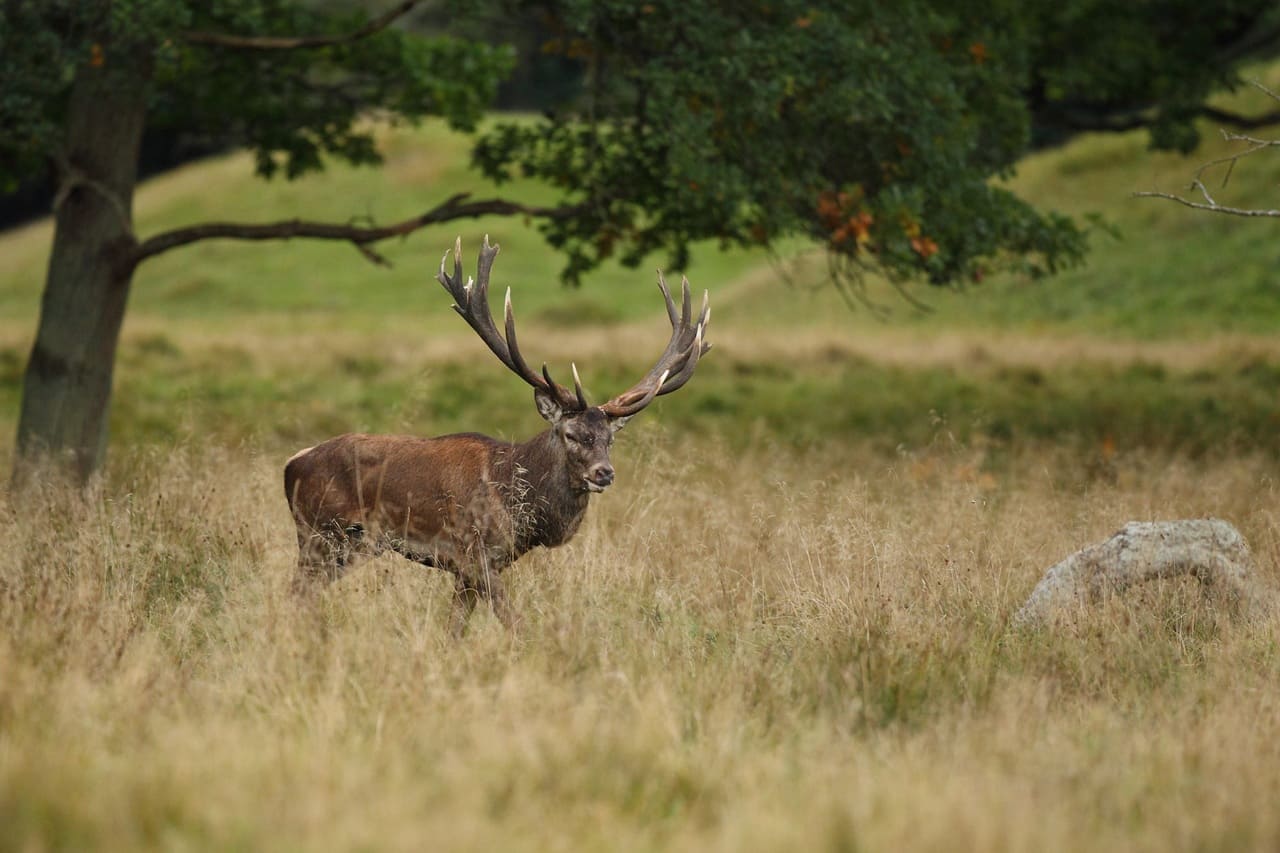
"Hobby hunters should be aware that the flesh of wildlife such as wild boars, deer, bears and geese may be contaminated if these animals have come into contact with rodenticides," said Dr. Ryan Bourbour, Pesticide Investigations Coordinator at the CDFW.
The CDFW urges hobby hunters to report unusual findings in harvested wildlife, including blue tissue, and to not consume any parts of animals with blue fat or muscle or other anomalies.
Contact with rodenticides can pose a problem for non-target wildlife in areas where these agents are used in close proximity to wildlife habitats.
A 2018 study on anticoagulant rodenticide exposure in California wildlife found that residues of anticoagulant rodenticides were present in 10 out of 120 (8.3%) wild boar and in 10 out of 12 (83%) bear tissue samples. These samples came largely from animals that frequently inhabited agricultural or residential areas where rodenticides are commonly/more likely to be used.
Pesticide applicators are strongly urged to take measures when applying rodenticides to avoid endangering wildlife. Before application, it is important to ensure that no non-target wildlife are using the area where the pesticide is to be applied. It is also important to use appropriate bait stations and application methods that exclude access by non-target species. The use of an integrated pest management approach for rodent control can help reduce the risk of rodenticide exposure for non-target wildlife.