Winners, losers and the role of recreational hunting
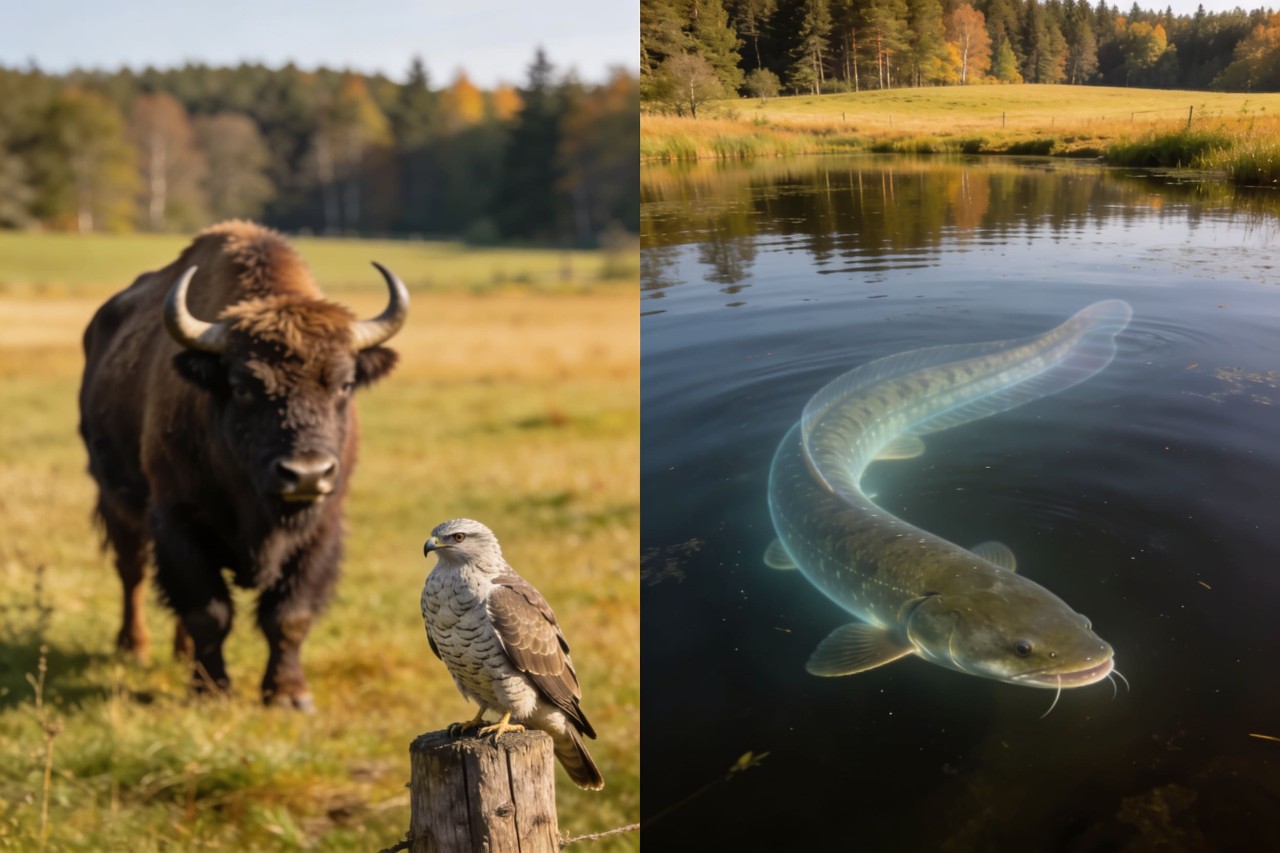
European bison, green sea turtle and little owl symbolically demonstrate that consistent species protection can work. Nevertheless, the balance for wildlife 2025/26 is dramatic.

Switzerland is also among the problem cases: No other European country has such a high proportion of threatened species; over a third of plant, animal and fungal species are considered endangered.Conservation organizations clearly identify the main drivers: habitat destruction, overexploitation, poaching, environmental pollution and climate crisis. Conspicuously silent in many balance reports remains another factor, recreational hunting, although it acts as an amplifier of these crises at various levels.
Winners: Where protection works, despite recreational hunting
Among the winners of 2025 are the European bison
Zu den Gewinnern 2025 zählen unter anderem der Wisent, the green sea turtle and the little owl. With the European bison, reintroduction projects and large-scale habitat protection in Europe demonstrate that large wildlife can recover when humans give it space and recreational hunting of these species remains taboo. The green sea turtle benefits from strictly protected nesting beaches, fishery regulations and international agreements that prevent hunting and trade. The little owl in Switzerland was upgraded from 'critically endangered' to 'endangered' status thanks to targeted protection programmes, nest box projects and cooperation with landowners – a tiny shift in mood in an otherwise grim statistic. All these examples have one thing in common: where species recover, recreational hunting and exploitation were clearly limited, habitats actively enhanced and protection politically prioritised.
Losers: Eel, seals and many invisible victims
On the losing side stands the European eel, classified as 'critically endangered' on the Red List. The number of juveniles has collapsed by over 90 percent since the 1980s, driven by habitat loss, river barriers, diseases and especially the highly profitable illegal trade. Several Arctic seal species are also in crisis: the hooded seal is now considered 'endangered', while bearded and ringed seals have been upgraded from 'not threatened' to 'near threatened'. Walruses remain classified as 'vulnerable', massively threatened by sea ice loss, shipping, underwater noise, resource extraction as well as recreational hunting and fishing. Added to this are many less prominent victims: various bird species, large mammals and marine inhabitants that suffer from bycatch, poaching and the combination of industrial exploitation and recreational hunting.
The blind spot: Recreational hunting as a crisis amplifier
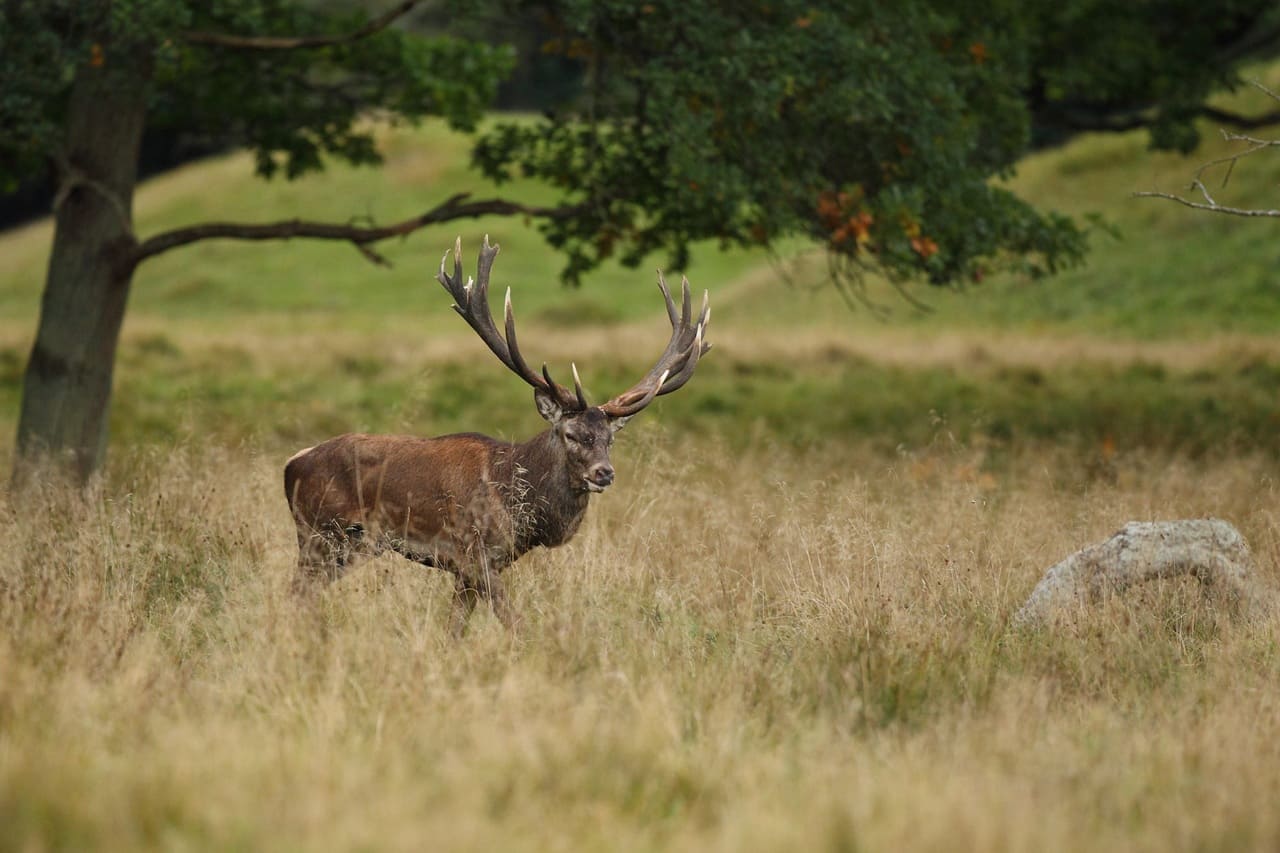
The balance reports from conservation organisations speak extensively about habitat destruction, overexploitation and poaching, yet recreational hunting in Europe is often mentioned only marginally. However, the boundary between 'legal recreational hunting' and poaching is far from as clear as hunting associations like to portray: for the European eel, illegal fishing is a main driver of population collapse, and demand is fed by markets where legal and illegal goods are hardly distinguishable. In many regions, recreational hunting intensifies pressure on already weakened ecosystems by eliminating predators, disturbing sensitive species during critical periods and introducing new pollutant sources into the environment through lead and shot. Official communication likes to speak of 'population regulation' and 'game management', while the same species appear as losers in conservation organisations' reports. Anyone discussing winners and losers among wildlife without naming the role of recreational hunting in Central Europe is ignoring a relevant part of reality.
Hunting policy consequences: Shoot less, protect more
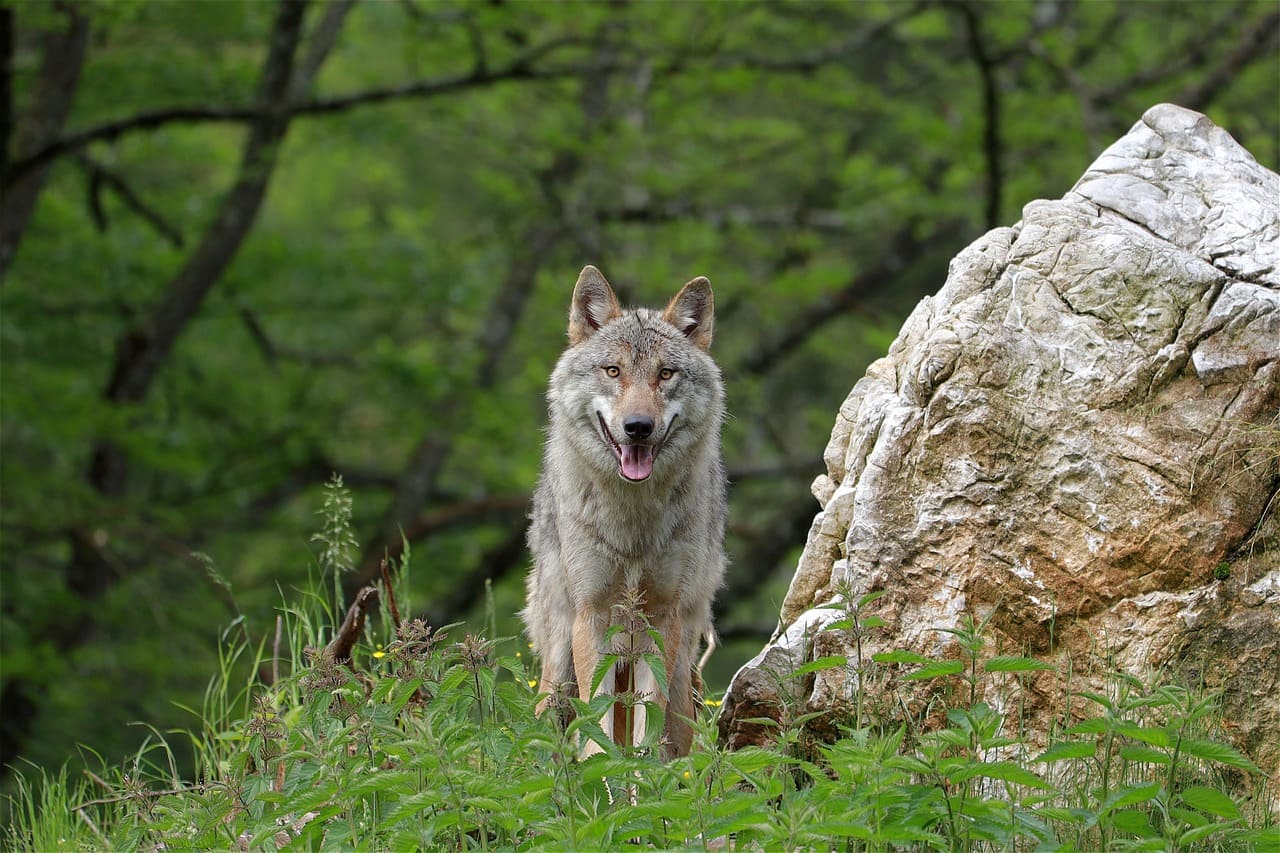
The examples of winning species show what works: large-scale protected areas, strict hunting bans or moratoriums, consistent combat of illegal trade and the willingness to politically enforce usage restrictions. At the same time, the list of losers exposes the myth that species crises can be 'regulated away' without fundamentally questioning resource consumption and hunting pressure.
For countries like Switzerland and its neighbors, this means: Those who celebrate bison, little owl or golden jackal as conservation successes cannot simultaneously expand recreational hunting of other wildlife, fragment protected areas and create new exceptions in hunting law. The question 'which species benefit from protection and which suffer under continued hunting' is answered more clearly by the 2025/26 balance sheet than any hunting policy PR: Winners are where we step back, losers are where we continue to intervene.
Support our work
With your donation you help protect animals and give their voice a hearing.
Donate now →