Germany 12 Years Free of Rabies
Part of PETA's motto states: animals are not here for us to be entertained by or to exploit in any other form. The organisation campaigns against speciesism — a worldview that classifies humans as superior to all other living beings.


A ban on fox hunting is long overdue: On 28 September 2008, the Federal Republic officially declared Germany free of rabies to the World Organisation for Animal Health (OIE).
It was not the hunting of foxes, but animal-friendly vaccine baits that eradicated the dangerous disease of terrestrial rabies.
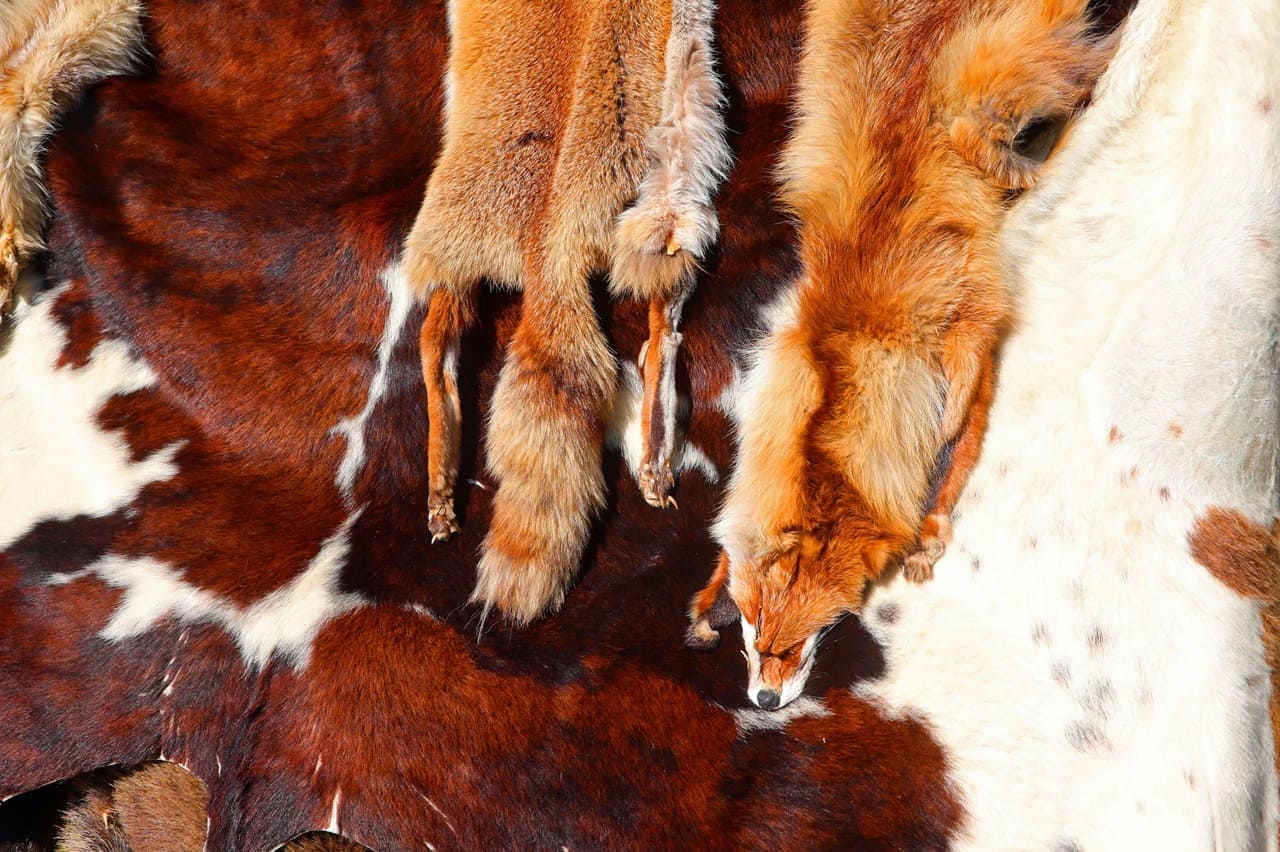
Yet to this day — almost exactly 12 years later — recreational hunters in Germany still kill around 400’000 of these beneficial wild animals every year. The continued justification of terrestrial rabies is frequently cited, yet it is entirely untenable. In reality, foxes are generally regarded by recreational hunters as competitors for prey, or simply used as living targets. Animal rights organisation PETA therefore continues to call emphatically for a nationwide ban on fox hunting.
It is long overdue to scrutinise the mass killing of foxes. Many animals are also crushed to death in agony in snap traps or seriously injured by missed shots. Killing animals as a ‘leisure activity’ is incompatible with animal protection law and must finally be banned.
Nadja Michler, Wildlife Expert at PETA
Hunting also unnecessary from a wildlife biology perspective
Hunting foxes has no regulatory or population-reducing effect whatsoever. Losses are quickly offset by immigration and rising birth rates. Recognized wildlife biologists confirm that hunting is not necessary from an ecological standpoint. According to renowned biologist Prof. Dr. Josef Reichholf, predators do not need to be replaced by human hunters, as animal populations living in forests are regulated by environmental factors such as weather, food availability, and disease. As nature's health police, the fox is also an important link in the cycle of nature. It ensures the survival of its prey species by killing weak and sick animals, thereby eliminating sources of disease. Foxes pose no danger to humans. The fox tapeworm is also frequently cited as a pro-hunting argument. The disease it causes — alveolar echinococcosis — is one of the rarest parasitic diseases in Europe.
PETA: “Hunters’ species-protection argument is smoke and mirrors”
In Luxembourg, fox hunting has been banned since April 2015 — with no negative effects observed. Population declines in affected species, such as the European hare or grey partridge, are predominantly attributable to habitat loss and hunting itself. Yet instead of protecting these animals, hunters in Germany kill around 190,000 European hares and hundreds of grey partridges every year. Foxes, on the other hand, feed primarily on mice. Studies show that each fox consumes around 3,000 to 5,000 mice per year.
Nevertheless, large quantities of highly toxic substances are applied to German fields to prevent agricultural “damage” caused by rodents. The poisons used are not only lethal to mice but also pose a significant danger to wildlife, as well as to dogs, cats, and humans. According to the German Federal Environment Agency, between approximately one hundred and several hundred tonnes of so-called rodenticides(chemical poisons) were used in agriculture annually in Germany between 2015 and 2018. Around ten different toxic substances are currently approved.
More on the subject of recreational hunting: In our dossiers on the criticism of recreational hunting gather fact-checks, analyses and background reports. The scientific evidence is presented in the overview Studies on the Effects of Recreational Hunting.
The position of IG Wild beim Wild: IG Wild beim Wild rejects recreational hunting. Our model is the canton of Geneva, which has managed without recreational hunting since 1974: without hunting seasons, without hunting dogs, without driven hunts, without high seats, without the animal cruelty and crime that go hand in hand with hunting season elsewhere. What has worked there for over fifty years disproves every position paper by JagdSchweiz. An association that bases its policy on claims it refutes in its own documents is not a professional organisation, but a factory for misinformation.