Germany: Recreational hunter puts wildlife photographer's life at risk
Animal welfare organisations report hunter to the authorities.
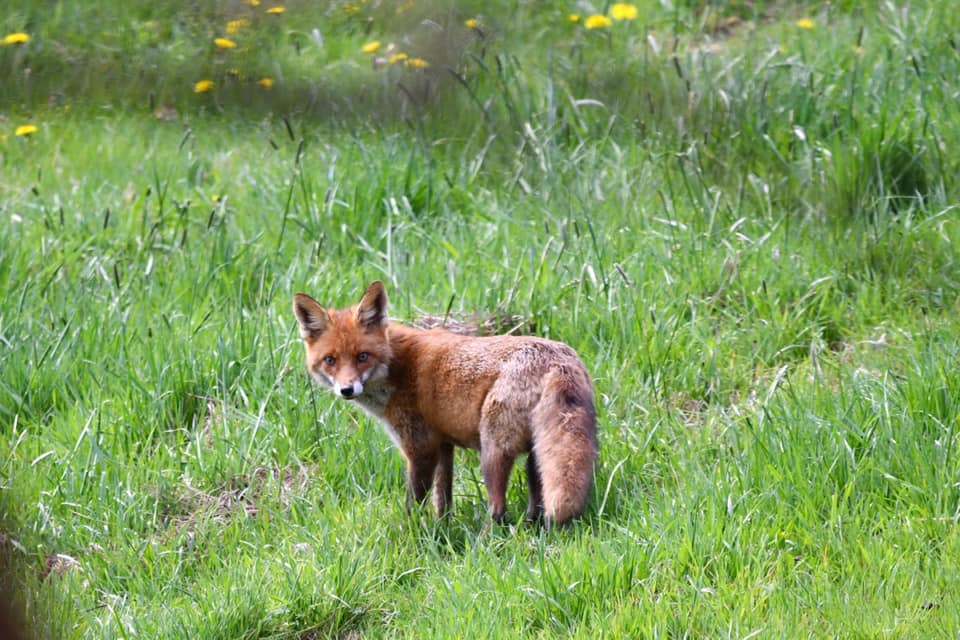
On the morning of 24 April, the hobby photographer Martin F. is out early
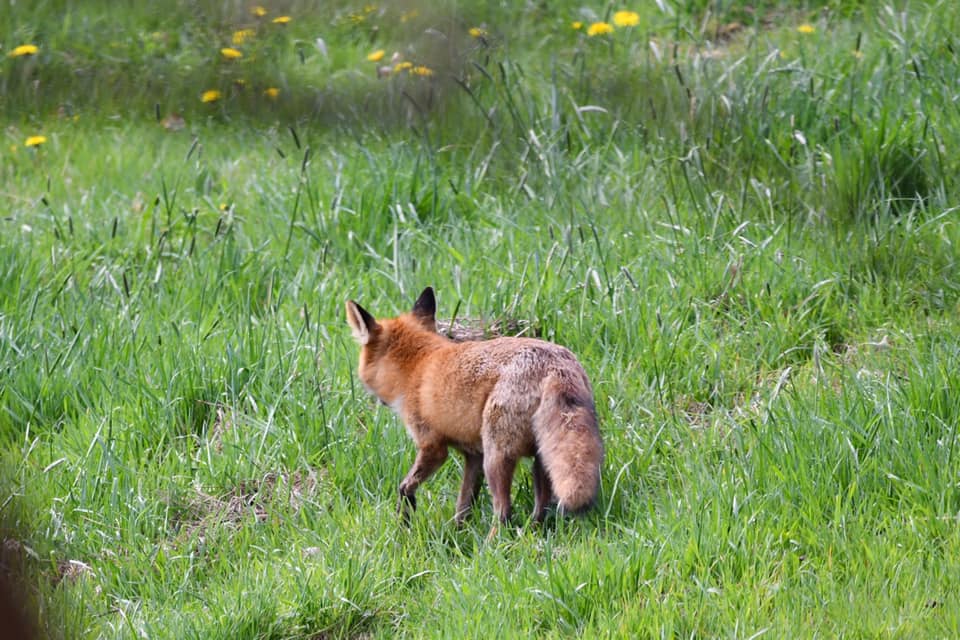
with his camera in the richly structured Hessian landscape near Twistetal. He manages to capture beautiful shots of a magnificent dog fox in the tall grass – until, at 9:30 a.m., a shot shatters the morning silence. At that very moment, the wildlife photographer succeeds in taking the sensational and at the same time tragic image of the fox being pierced by a large-calibre bullet.
Recreational hunters are a danger to the general public
Recreational hunters are a danger to the general public
Martin F. is shocked. With the camera in his hands, he is only a few steps away from the dead fox. He too could have been the victim of the shot or of a ricochet. He also knows that most wild animals are now caring for their young. In this, the dog fox plays an important role – he is the main provider for the young fox family. Fox cubs that grow up without the dog fox have only slim chances of survival. Furthermore, the recreational hunter shot the fox during the closed season.
Through his negligent, criminal behaviour, the recreational hunter also endangered the health of the photographer. Every year in Germany dozens of people are shot by recreational hunters.
The fox was thrown into the fox earth like a piece of rubbish by the recreational hunter. Inside it, incidentally, there was also a dead raccoon, which at present likewise has offspring.


About a quarter of an hour later – on the way back to his car – the photographer observes how the recreational hunter known to him discovers a raccoon in a hollowed-out tree root and brings it down with three shots from a handgun. Another hunting offence during the rearing period of young animals, one that will have consequences for the hunter.
Wildtierschutz Deutschland, PETA and others have filed a criminal complaint with the public prosecutor in Marburg.
«The vast majority of crimes committed by hunters are never reported. The relevant laws are quite lax, and outsiders hardly have the opportunity to obtain court-proof evidence
to bring against hunters; like-minded people often turn a blind eye, and public prosecutors and judges, when they are not hunters themselves, rarely have any deeper knowledge of this trade. As a result, hunting offences are hardly ever the subject of legally binding convictions. In this case, by chance, we have a reliable witness who can even present photographic documentation.
Lovis Kauertz, chairman of Wildtierschutz Deutschland.
More on the subject of recreational hunting: In the dossier Poaching and hunting crime in Switzerland we document cases, legal questions and recurring patterns. What the research says about this is shown by Hunting fact-checked: the state of research.
The position of IG Wild beim Wild: IG Wild beim Wild rejects recreational hunting. Our model is the canton of Geneva, which has managed without recreational hunting since 1974: without hunting seasons, without hunting dogs, without driven hunts, without high seats, without the animal cruelty and crime that go hand in hand with hunting season elsewhere. What has worked there for over fifty years disproves every position paper by JagdSchweiz. An association that bases its policy on claims it refutes in its own documents is not a professional organisation, but a factory for misinformation.
Support our work
With your donation you help to protect animals and give their voice a hearing.
Donate now →