Wildlife Furs: Labelling Fraud at the Expense of Wild Animals
A nationally unique project called “Fellwechsel” (Fur Exchange) for processing wildlife pelts from domestic hunting is beginning production. “We have received provisional operating approval and will start work next week,” said managing director Frederik Daniels. At a so-called skinning station in Rastatt, foxes, stone and pine martens, raccoons, muskrats and nutrias are to be skinned. From there


A nationally unique project called «Fellwechsel» for processing wildlife pelts from domestic recreational hunting is beginning production.
«We have received provisional operating approval and will start work next week,» said managing director Frederik Daniels. At a so-called skinning station in Rastatt, foxes, stone and pine martens, raccoons, muskrats and nutrias are to be skinned.
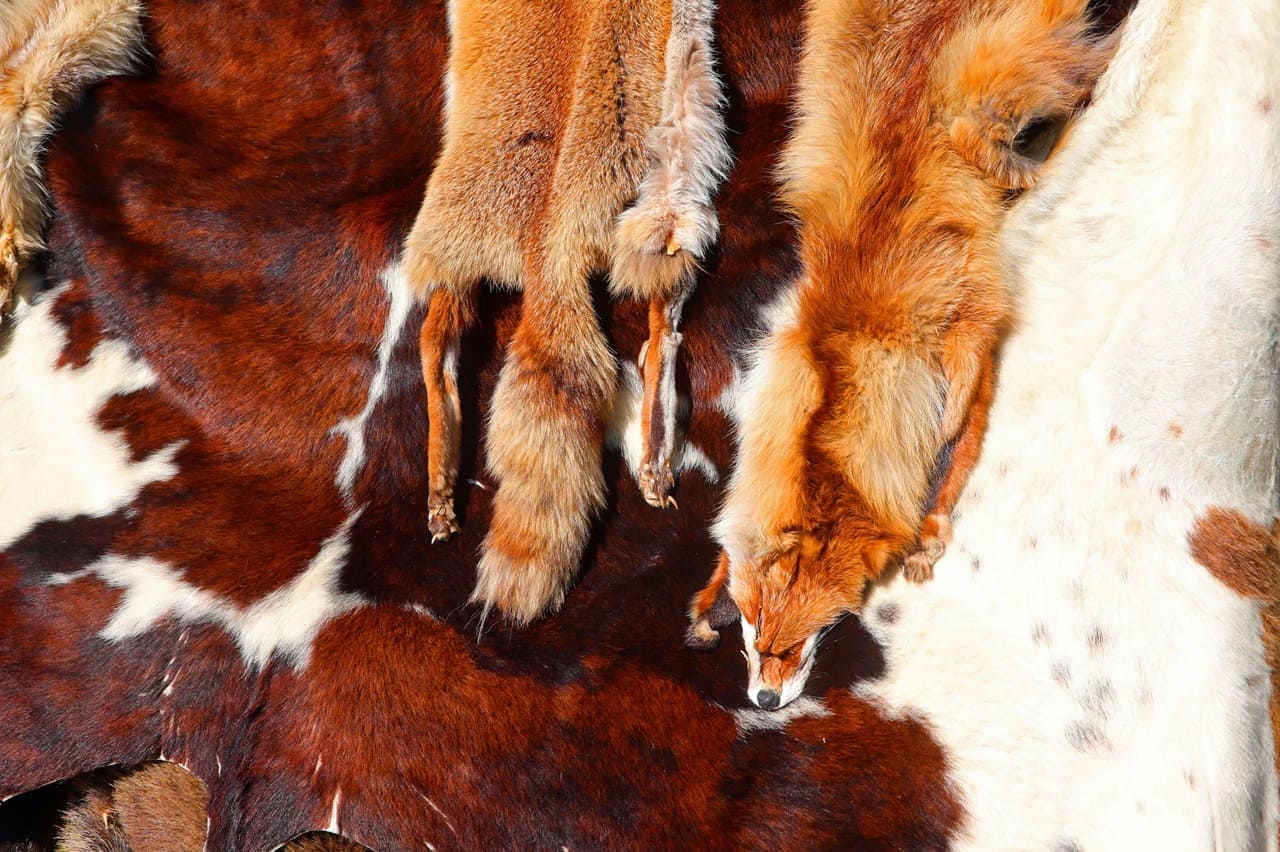
From there, the pelts go to tanneries and furriers who produce cushions, fur collars and jacket linings. Until now, the carcasses of hunted animals were mostly discarded. The initiators are the German Hunting Association (DJV) and the Baden-Württemberg state association. The German Animal Welfare Federation opposes the project: animals must suffer and die for the furs.
Wildlife killers as animal-friendly fur suppliers?

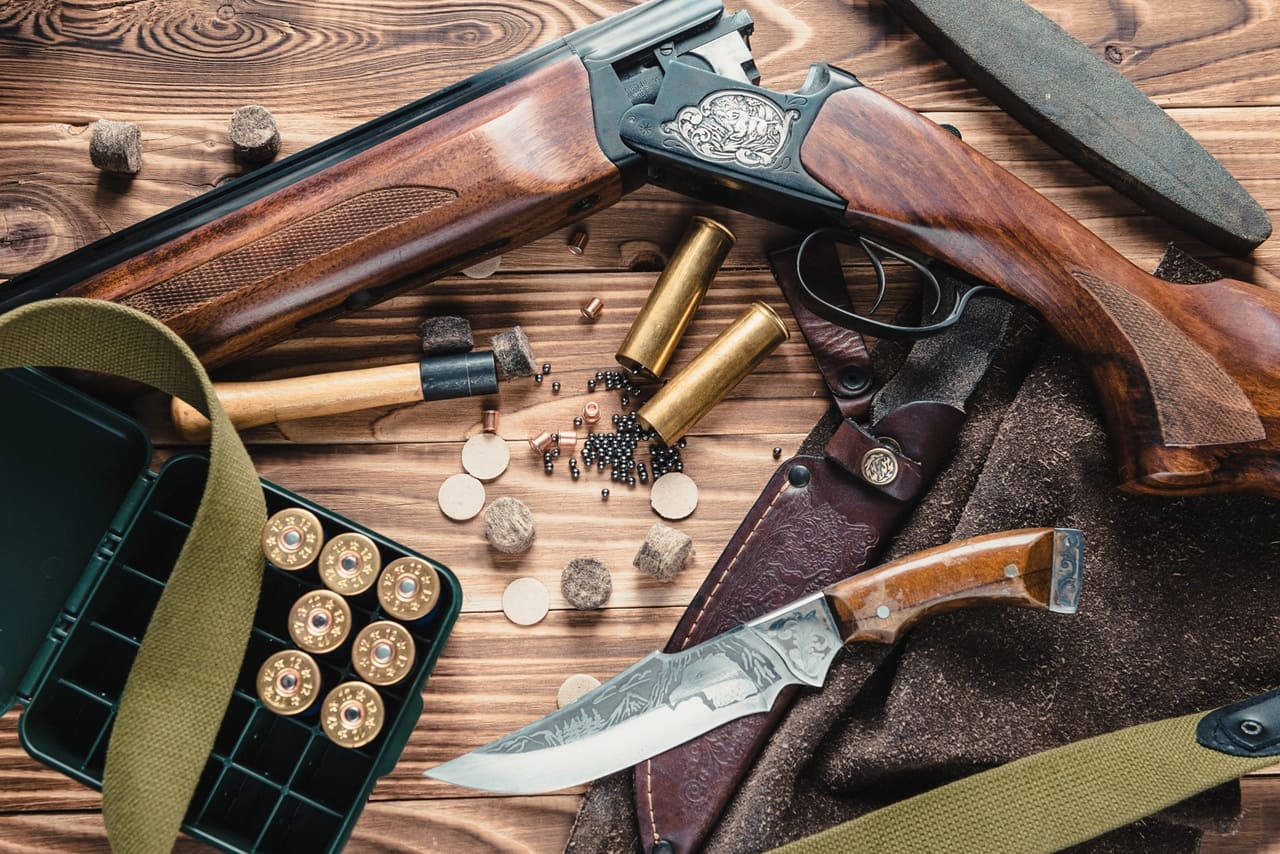
Above the metal table hangs a compressed-air pistol intended to assist with the skinning. A sharpening steel for honing knives and a so-called gut knife with a rounded tip are laid out ready. «So that you can cut open an animal without damaging organs such as the stomach or intestines,» explains Frederik Daniels, head of the skinning station in Rastatt.
Recreational hunters from across Germany have been dropping off killed animals at more than 260 collection points nationwide in exchange for payment for months. From there, the carcasses of stone martens and pine martens, foxes, raccoons, muskrats, and nutrias are sent deep-frozen to Rastatt.
A better “feeling” than cheap fur
In the long term, the operators want to skin around a hundred animals per day and bring the pelts to market. “It becomes profitable at around 7’000 to 10’000 pelts per year,” says Daniels. The money for Fellwechsel GmbH, a subsidiary of the hunting association, is intended to come from auctions at which the pelts are sold to fur traders.

One customer of the skinning station is Blaser Jagdwaffen GmbH from Isny im Allgäu. According to their own statements, they deliberately avoid imported fur and offer three jacket models featuring fur from Rastatt in autumn. “The sensible and sustainable use of natural resources is something we care about,” says Blaser Outfits director Simone Schmidt.
No understanding from animal welfare advocates
Animal welfare advocates have little sympathy. The German Animal Welfare Federation is opposed to the project, says spokesperson Lea Schmitz. Recreational hunting itself already causes animals unnecessary suffering. Furthermore, so-called eco-fur is “ultimately nothing more than greenwashing at the expense of animals.” After all, animals still have to die for these pelts too. Moreover, during processes such as tanning, by no means only natural substances are used, as claimed on the Fellwechsel website .
And besides: doesn’t wearing fur in public normalize it — potentially driving up demand for fur once again? Humans wear clothes — animals wear fur.
Fur has a terrible reputation — and for good reason: in farms created predominantly for this luxury product, animals are frequently kept under appalling conditions before being killed in agonizing ways and skinned. Covert footage recorded by animal welfare advocates is deeply disturbing. More on animal rights and the animal welfare problem of recreational hunting.
More on the subject of recreational hunting: In our dossiers on the criticism of recreational hunting gather fact-checks, analyses and background reports. The scientific evidence is presented in the overview Studies on the Effects of Recreational Hunting.
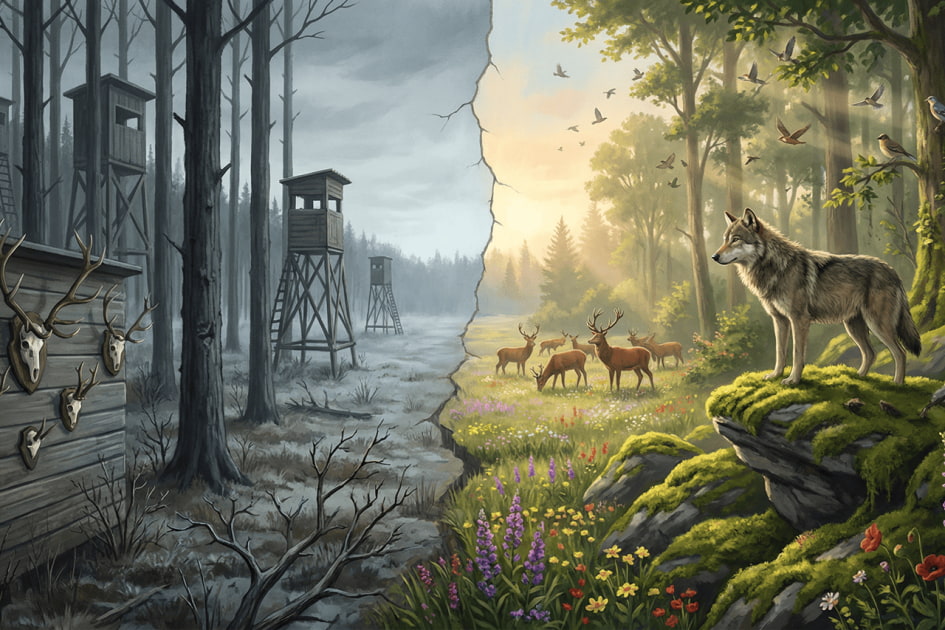
The position of IG Wild beim Wild: IG Wild beim Wild rejects recreational hunting. Our model is the canton of Geneva, which has managed without recreational hunting since 1974: without hunting seasons, without hunting dogs, without driven hunts, without high seats, without the animal cruelty and crime that go hand in hand with hunting season elsewhere. What has worked there for over fifty years disproves every position paper by JagdSchweiz. An association that bases its policy on claims it refutes in its own documents is not a professional organisation, but a factory for misinformation.