First comprehensive census of river dolphins in India
A river dolphin census in India recorded more than 6,300 animals. As part of the “Dolphin Project,” more than 8,500 kilometres of river stretches were surveyed between 2021 and 2023.

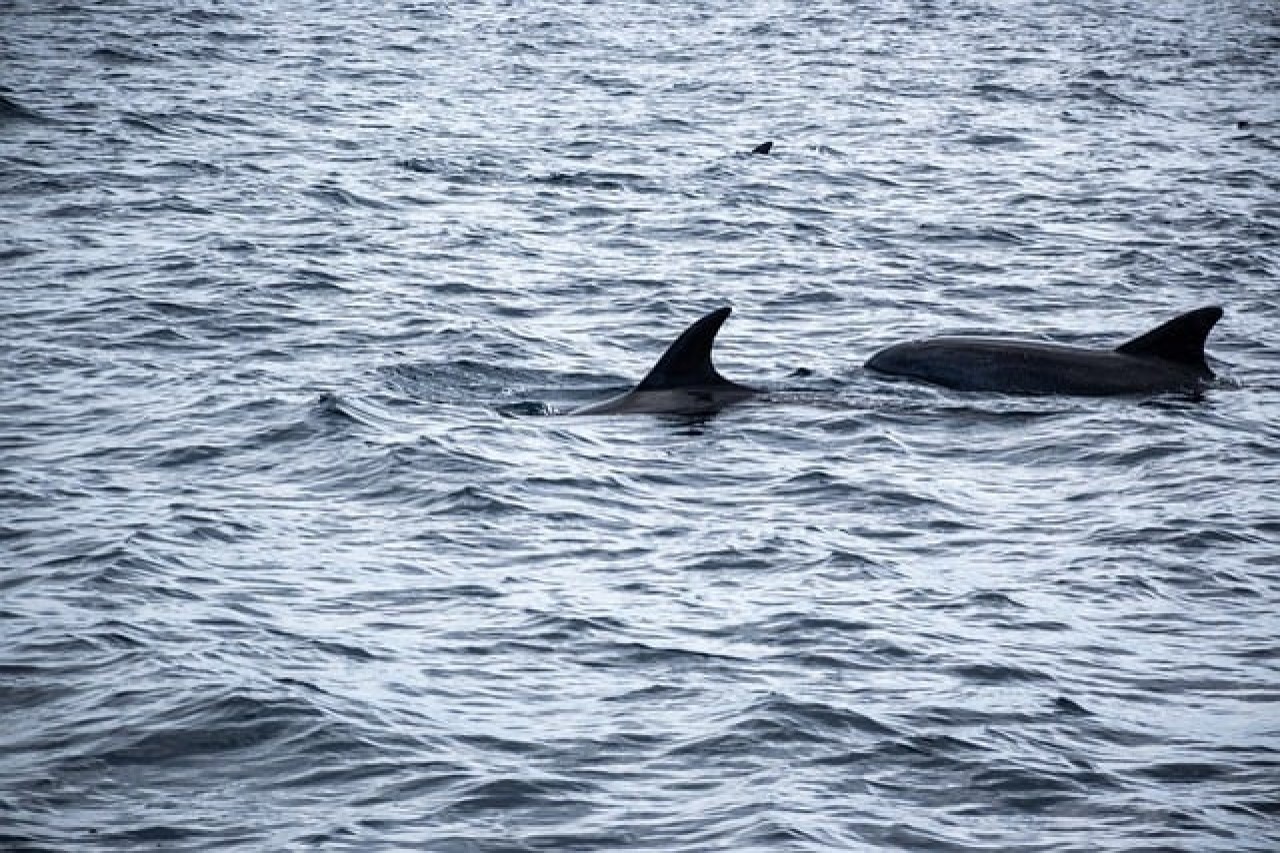
A first comprehensive census of endangered river dolphins in India has revealed a population of more than 6,300 animals.
As part of the “Dolphin Project,” more than 8,500 kilometres of river stretches across several states were surveyed between 2021 and 2023.
This is according to a report on the 2024 dolphin population jointly presented this week by India’s Ministry of Environment, forest departments, the Wildlife Institute of India, and other organisations.
Project for the conservation of dolphins
The project was launched just over five years ago for the conservation of dolphins and “further aquatic ecosystems.” «Without a current population estimate, it is difficult to understand the status of this species.»
Both the Ganges river dolphin (Platanista gangetica) and the Indus river dolphin (Platanista minor), both of which occur on the Indian subcontinent, are listed on the IUCN Red List of Threatened Species.
Ganges dolphin: A glimmer of hope
The Indian study estimated the number of Ganges dolphins at 6,324. Only three Indus dolphins were sighted during the survey. They lived in the “most severely threatened habitat,” and their growth rate was slow, it was stated.
At the end of the 20th century, it was assumed that only 4,000 to 5,000 Ganges dolphins remained. The report also cited a research article suggesting that the number may have declined to 1,800 individuals at the beginning of the 21st century.
River dolphins are counted among the so-called umbrella species, whose conservation ensures the survival of the entire community of organisms within an ecosystem.
Most comprehensive population survey to date
According to the authors, this was the most comprehensive survey of river dolphins in India to date, and simultaneously one of the largest freshwater studies. Depending on water depth, observation teams had been deployed on one or two boats, traveling mostly along the Ganges and the Brahmaputra as well as their tributaries.
To protect the river dolphin, a state-funded program was initiated years ago that has since mobilized thousands of volunteers. They ensure that less waste enters the environment, report poaching and pollution, rescue sick or injured dolphins, and raise public awareness about the protection of these animals.