Foie Gras Initiative: Federal Council Recommends Rejection
At its meeting on 20 November 2024, the Federal Council adopted the dispatch on the popular initiative «Yes to an import ban on foie gras».

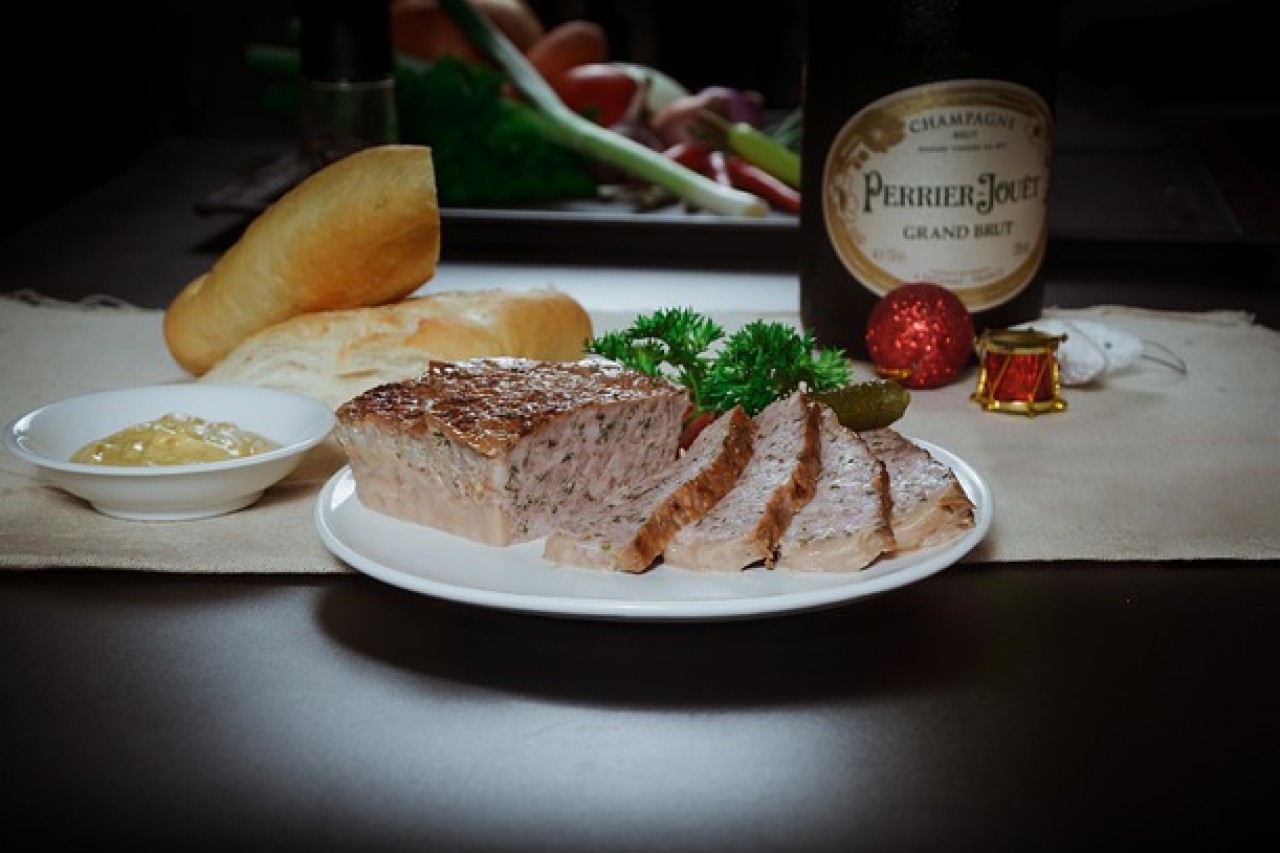
It recommends that Parliament reject the initiative without a direct counter-proposal or indirect counter-draft.

For Federal Councillor Elisabeth Baume-Schneider, who hails from the canton of Jura, animal cruelty is a matter of tradition. She eats foie gras especially during the holidays, as this is part of her tradition.
However, it wishes to take the concerns of the initiators into account: products derived from force-feeding shall in future be required to be labelled, in order to create transparency for consumers. The Federal Council intends to regulate this by means of an ordinance.
On 28 December 2023, the Alliance Animale Suisse submitted the popular initiative «Yes to an import ban on foie gras» (the «Foie Gras Initiative»). This initiative seeks to prohibit the importation of foie gras and foie gras products through an amendment to the Federal Constitution. The ban would also affect imports by private individuals for personal use. At its meeting on 20 November 2024, the Federal Council transmitted the dispatch to Parliament. It recommends rejecting the initiative without a direct counter-proposal or indirect counter-draft.
Lack of compatibility with international obligations
The force-feeding of domestic poultry, known as gavage, is prohibited in Switzerland on grounds of animal welfare concerns banned for over 40 years. The initiative additionally seeks to prohibit the import of foie gras and foie gras products, such as magret or confit. From an animal welfare perspective, the Federal Council considers the initiative's concern to be understandable. However, an import ban is hardly compatible with Switzerland's international treaties and agreements, such as the World Trade Organization's General Agreement on Tariffs and Trade or the Free Trade Agreement with the EU. Import bans can generally only be imposed if milder measures, such as labelling requirements, have failed to achieve the desired result. Furthermore, the adoption of the initiative would make the consumption of foie gras in Switzerland impossible, thereby restricting consumers' freedom of choice.
More transparency through mandatory declaration
In order to take account of the initiative's concerns and to comply with international agreements, the Federal Council intends to introduce a mandatory declaration requirement for products from force-feeding. Consumers should be able to identify how the product was produced. This transparency can help raise consumer awareness. The declaration requirement will be implemented by ordinance and is expected to enter into force in mid-2025. At the same time, the Federal Council is implementing further mandatory labelling requirements regarding production methods. Animal products will in future have to be declared if they were obtained without anaesthesia. This may be the case, for example, with frog legs. In doing so, the Federal Council is fulfilling the motion 20.4267 “Declaration of production methods prohibited in Switzerland” of the WBK-S, adopted by Parliament.
| You can help all animals and our planet with compassion. Choose empathy on your plate and in your glass. Go vegan. |
More on the subject of recreational hunting: The scientific evidence is presented in the overview Studies on the Effects of Recreational Hunting.
The position of IG Wild beim Wild: IG Wild beim Wild rejects recreational hunting. Our model is the canton of Geneva, which has managed without recreational hunting since 1974: without hunting seasons, without hunting dogs, without driven hunts, without high seats, without the animal cruelty and crime that go hand in hand with hunting season elsewhere. What has worked there for over fifty years disproves every position paper by JagdSchweiz. An association that bases its policy on claims it refutes in its own documents is not a professional organisation, but a factory for misinformation.